
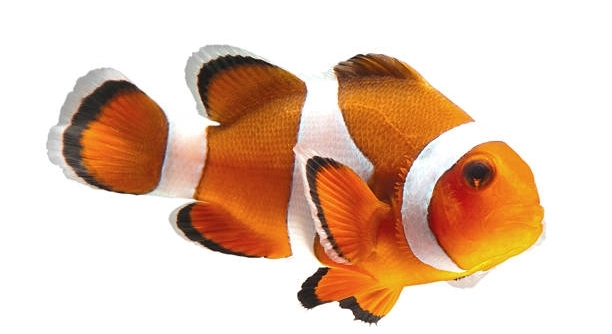
Have you ever watched your clownfish swim across their tank and wondered if they could thrive without a sandy bottom or gravel?
Clownfish can adapt to bare-bottom tanks if certain conditions are met. These include stable water quality, adequate filtration, proper tank decor, and hiding spots that mimic natural environments. Monitoring stress levels is also essential.
Understanding how tank setup affects behavior and health helps ensure your clownfish stay comfortable, active, and well-adjusted in any home aquarium.
Why Some Aquarists Choose Bare-Bottom Tanks
Bare-bottom tanks are often preferred for their easy maintenance and clean appearance. Without substrate, waste settles at the bottom, making it easier to remove during water changes. This setup can help maintain stable water quality, which is important for fish health. In tanks with clownfish, keeping ammonia and nitrate levels low is essential. Bare-bottom tanks also allow better control of filtration and water flow. They reduce the risk of harmful bacteria building up in the substrate. Some hobbyists also appreciate being able to spot issues quickly without gravel or sand covering the bottom. While it may look less natural, adding rocks, ceramic structures, or artificial anemones can give clownfish the shelter they need. These additions help mimic their natural reef environment and reduce stress. When done thoughtfully, bare-bottom tanks can work well and still provide comfort for clownfish in a more controlled space.
Bare-bottom tanks are practical, especially for cleaner water and simpler tank upkeep.
Decor and tank design make a big difference in how clownfish respond. They rely on structure and hiding spots to feel secure. By adding visual barriers and stable objects to a bare-bottom setup, you create a space where they feel more at ease.
How Clownfish React to No Substrate
Clownfish do not depend on sand or gravel to survive, but they do benefit from stable surroundings and access to shelter.
In tanks without substrate, clownfish may appear more exposed at first. They tend to hover near surfaces or objects where they feel safest. If they lack cover or consistent surroundings, they may show signs of stress. A key part of helping them adjust is giving them areas to retreat to, such as PVC pipes, artificial corals, or ceramic decorations. These mimic the safety of anemones found in the wild. It also helps to maintain a consistent light cycle and avoid sudden environmental changes. Over time, most clownfish adapt well and continue with their usual behaviors like swimming in pairs, feeding eagerly, and exploring. The biggest benefit of this setup is easier maintenance, which often results in better water conditions. Healthier water leads to less illness and improved fish behavior. While not all clownfish react the same way, most do adapt, especially when the tank meets their basic needs for safety and structure.
Tank Setup Tips for Bare-Bottom Clownfish Tanks
Cleanliness and structure matter most in a bare-bottom tank. Clownfish need steady water quality and familiar surroundings. Even without substrate, they still rely on shelter, gentle flow, and minimal stress to stay active and healthy.
Use sponge filters or adjustable flow pumps to maintain gentle water movement, as clownfish prefer calm currents. Place rock structures or ceramic shelters to create hiding areas. Artificial anemones or soft decorations can also provide comfort and security. Stick to a consistent light schedule to help reduce stress. Avoid placing the tank in areas with frequent foot traffic or loud sounds. Daily monitoring of ammonia, nitrites, and pH levels helps prevent sudden water changes. Bare-bottom tanks also make it easier to spot uneaten food and waste, allowing for quicker clean-up. A regular routine keeps the environment steady and encourages better behavior and appetite in clownfish.
Clownfish appreciate consistency. Rearranging decor too often or making abrupt changes can affect how they feel in their space. Stability encourages them to swim more, feed better, and stay curious. Avoid overcrowding and provide at least one secure spot per clownfish. Gentle lighting, calm surroundings, and consistent feeding times all support a relaxed tank environment. These small details lead to better outcomes.
Things to Avoid in Bare-Bottom Setups
Skipping shelter or visual cover often causes stress in clownfish. They may start pacing, hiding more often, or showing duller colors.
Avoid strong water flow that tosses your clownfish around. Also, do not overcrowd the tank or keep aggressive tankmates that may disturb them. Keep the tank in a quiet, stable location, and always acclimate fish slowly when adding them. Unstable water temperatures or pH swings can also trigger stress responses. Without substrate, ammonia spikes can build up faster if waste is left behind. Keep the bottom clean and monitor levels closely. Do not rely on visual cleanliness alone—use regular testing to catch changes early. Limit how often you move objects in the tank, and make sure decor is placed securely. Clownfish feel more relaxed in a familiar environment that doesn’t shift too often. A stable and thoughtfully arranged tank goes a long way in keeping your clownfish healthy.
Common Signs of Stress in Clownfish
Clownfish under stress may breathe heavily, lose appetite, or swim erratically. You might also notice color fading or hiding more often than usual. These signs usually mean something in the tank needs adjusting.
Stress can also show up as aggression or twitching. If one fish chases the other constantly, it could be reacting to poor tank conditions.
How to Support a Smooth Adjustment
To help clownfish adjust, keep their tank conditions stable from the start. Introduce them to the bare-bottom setup slowly, with all decorations and hiding spots already in place. Offer them familiar food on a schedule and avoid changing tank layout frequently. Use soft lighting and maintain a quiet room. Consistency helps them feel safe. Always monitor behavior after any changes. If they hide less, swim calmly, and eat well, these are signs they’re adjusting. A clean tank with reliable parameters is the most important part of helping them thrive in a bare-bottom setup. Give them time and space—they’ll adapt.
Final Thoughts on Bare-Bottom Clownfish Care
Bare-bottom tanks can work well for clownfish when they include cover, stable water, and a quiet, low-stress environment.
FAQ
Can clownfish live happily without substrate?
Yes, clownfish can live happily in tanks without substrate as long as their environment meets their basic needs. They require stable water parameters, adequate hiding places, and a gentle water flow. Bare-bottom tanks allow easier cleaning, which helps maintain better water quality and reduces stress. Providing shelters such as rocks, artificial anemones, or ceramic decorations compensates for the lack of natural substrate, giving clownfish places to hide and feel secure. Over time, most clownfish adapt well to these setups and show normal behaviors, including feeding and social interaction.
Will the absence of substrate affect clownfish breeding?
Breeding behavior can be influenced by tank conditions. Clownfish typically prefer to lay eggs on flat, stable surfaces. In bare-bottom tanks, breeders often use smooth rocks, ceramic tiles, or other flat decorations to mimic natural spawning sites. The absence of substrate itself does not prevent breeding, but a lack of proper egg-laying surfaces or stable conditions may discourage it. Keeping water quality high and providing suitable breeding spots will support reproductive activity even without substrate.
Is water quality easier to manage in bare-bottom tanks?
Yes, bare-bottom tanks are often easier to keep clean because waste is more visible and collects on the flat bottom. This setup allows quicker removal of uneaten food, fish waste, and detritus during water changes. Without substrate, there is less surface area for harmful bacteria and debris to accumulate, which reduces the risk of ammonia and nitrite spikes. However, regular water testing remains crucial, as rapid changes in water chemistry can still occur if waste is not promptly removed.
Do clownfish need a specific type of hiding spot in bare-bottom tanks?
Clownfish benefit from shelters that mimic their natural habitat, such as anemones, rock caves, or artificial coral structures. In bare-bottom tanks, providing such hiding spots is critical because there is no substrate for burrowing or cover. Suitable shelters help reduce stress and encourage natural behaviors. Many hobbyists use PVC pipes, ceramic caves, or soft artificial anemones that do not sting but offer a safe retreat. The key is to create secure, stable places where clownfish can rest and feel protected.
Can bare-bottom tanks cause stress to clownfish?
Bare-bottom tanks can cause stress if the environment lacks sufficient hiding places or stable conditions. Clownfish feel vulnerable without cover, so a barren tank can lead to increased anxiety, visible as erratic swimming, hiding, or color fading. Stress may also arise from sudden changes in water quality, lighting, or tank setup. To prevent this, provide plenty of decor for shelter, maintain steady water parameters, and avoid frequent rearrangement. When these factors are controlled, clownfish typically adjust well to bare-bottom environments.
How often should I clean a bare-bottom clownfish tank?
Regular cleaning is essential to maintain good water quality. In bare-bottom tanks, daily spot cleaning to remove waste and uneaten food is recommended. Weekly partial water changes, usually 20-30%, help keep ammonia, nitrate, and nitrite levels low. Because there is no substrate to trap debris, waste accumulates on the bottom and must be removed manually. Using a siphon or gravel vacuum designed for bare tanks helps with this process. Consistency in cleaning prevents water chemistry issues that could stress or harm clownfish.
Will clownfish behavior change in a bare-bottom tank?
Some behavioral changes can occur, mainly related to feeling exposed or insecure. Clownfish may stay closer to decorations or tank walls rather than swimming freely across an empty bottom. They might also hide more if the environment lacks adequate cover. However, these changes are typically temporary as they adapt to the new setup. Providing shelters and maintaining a calm environment encourages normal swimming, feeding, and social behaviors over time.
Is a bare-bottom tank suitable for a community setup with clownfish?
Bare-bottom tanks can work for community setups if all species have compatible needs. Clownfish do well with peaceful tankmates that do not disturb their hiding places. Because there is no substrate, bottom-dwelling species may find the environment less natural or comfortable. Careful selection of companions and attention to space and decor placement ensure all fish have adequate territory and shelter. Monitoring interactions closely helps prevent aggression or stress, making bare-bottom community tanks successful with the right planning.
Are there any risks unique to bare-bottom tanks for clownfish?
One risk is rapid water parameter shifts because waste is less buffered without substrate. This makes regular water testing and maintenance critical. Another concern is injury from sharp or unstable decorations placed directly on the bare bottom. Choose smooth, secure decor to avoid harming clownfish. Additionally, the lack of natural substrate means fewer beneficial bacteria colonies, so relying on proper filtration and biological media is essential to maintain a healthy tank environment.
How can I encourage clownfish to explore a bare-bottom tank?
Encouraging exploration involves creating a varied environment with safe hiding spots, open swimming areas, and occasional enrichment. Gentle water flow and consistent feeding schedules help clownfish feel secure and motivated to swim actively. Changing the position of decor slowly and carefully can introduce new areas to explore without causing stress. Using live or artificial plants can add texture and cover, making the tank feel more dynamic. Positive reinforcement through regular feeding and minimal disturbance also encourages natural curiosity and activity.
Bare-bottom tanks can be a practical choice for keeping clownfish. They simplify cleaning and help maintain good water quality by allowing easier removal of waste. Without substrate, debris does not get trapped, which reduces the chance of harmful bacteria building up. This setup can support healthier water conditions, which is important for the well-being of clownfish. However, bare-bottom tanks do require thoughtful design. Adding shelters and decorations is necessary to provide hiding spots where clownfish feel safe. These elements help reduce stress and encourage natural behaviors. Without places to retreat, clownfish may become anxious or show signs of discomfort.
Clownfish are adaptable fish that can adjust to different environments when their needs are met. Stability in the tank environment plays a big role in how well they adapt. This includes steady water parameters, consistent lighting, and minimal sudden changes in the tank setup. Bare-bottom tanks can offer a controlled environment that meets these conditions, but it requires regular maintenance and monitoring. Paying close attention to water quality, feeding routines, and tank decor will improve the fish’s health and behavior. While some aquarists prefer natural substrate for aesthetic reasons or to mimic wild habitats, bare-bottom tanks have clear benefits for practical care and fish health.
In the end, success with bare-bottom clownfish tanks depends on balance. Maintaining clean water and providing enough structure for shelter are key points. Each tank owner should consider their own setup and how much time they can dedicate to tank care. With proper attention, clownfish can thrive in bare-bottom tanks and show their vibrant colors and active behavior. This setup is not ideal for every situation, but it offers a straightforward option for those looking to simplify tank maintenance while keeping clownfish comfortable. Consistency, patience, and good care are the best ways to support clownfish in any tank environment.

Hello,
If you enjoy the content that we create, please consider saying a "Thank You!" by leaving a tip.
Every little bit helps us continue crafting quality advice that supports the health, happiness, and well-being of pets around the world, for pets of all shapes, sizes, and species.
We really appreciate the kindness and support that you show us!