
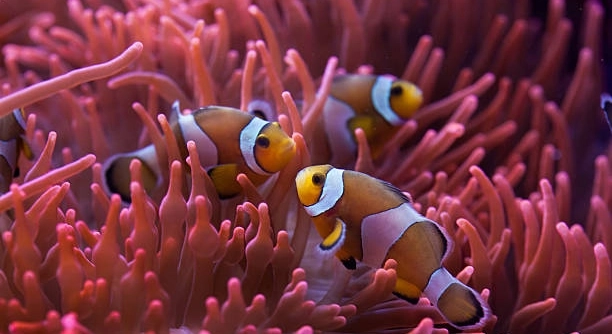
Many people enjoy keeping clownfish as pets because of their bright colors and interesting behaviors. Sometimes, these fish that usually interact well start ignoring each other. This change can be confusing and worrying for aquarium owners.
Clownfish may ignore each other due to stress, changes in their environment, or shifts in social hierarchy. Factors such as tank size, water quality, or the introduction of new fish can disrupt their normal interactions and cause them to keep their distance.
Learning more about these causes can help improve your clownfish’s behavior. Understanding what affects their social habits will support a healthier, more active aquarium environment.
Understanding Clownfish Social Behavior
Clownfish are naturally social creatures that live in groups with clear hierarchies. They often form pairs or small communities around sea anemones, which provide shelter and protection. In a tank, clownfish establish their own territory and social order, which helps them feel secure. When this order is disturbed, such as by a change in environment or the presence of new fish, their behavior can change quickly. Stress from poor water conditions, overcrowding, or lack of hiding spots can make clownfish avoid each other. It is important to keep their environment stable and comfortable to support their natural social habits. Adjustments like maintaining water quality and ensuring enough space can reduce tension among them and encourage normal interaction.
Clownfish communicate through body language and subtle movements, which can be missed if the tank is too crowded or noisy.
Watching their behavior closely will help you notice when something is off, allowing you to make timely changes to their habitat.
Tank Conditions Affecting Interaction
Poor water quality is one of the main reasons clownfish stop interacting. High levels of ammonia, nitrites, or nitrates stress fish and impact their health. Inconsistent temperatures or pH changes can also cause discomfort. Clownfish rely on a clean, stable environment to feel safe. Without it, they may hide or ignore each other to avoid conflict or harm. Overcrowding is another issue; too many fish in a small tank create competition for space and resources. This can lead to aggressive or withdrawn behavior. Ensuring the tank is the right size, regularly cleaned, and properly filtered can prevent these problems. Adding live plants or coral can also provide hiding places and reduce stress. When tank conditions are improved, clownfish usually resume normal social behaviors, becoming more active and interactive again.
Changes in Social Hierarchy
Clownfish live in a strict social order, with a dominant female at the top. When this hierarchy changes, it affects how they interact.
If the dominant fish is removed or weakened, other clownfish may become confused or stressed. This can lead to avoidance behavior. The group needs time to adjust and establish a new order. During this period, they might ignore each other or act more reserved. It’s important not to disturb the tank during these times, as further stress can worsen their behavior. Patience and stability help the clownfish settle back into their social roles over time.
Sometimes, a fish will change sex to fill the dominant female role, which is a natural but gradual process. This transition can cause temporary shifts in interaction until balance returns to the group.
Introducing New Clownfish
Adding new clownfish to an established tank often causes tension. The existing fish may see newcomers as threats and avoid or act aggressively toward them. Proper quarantine of new fish can reduce the risk of illness but won’t stop social disruption. Slowly introducing new fish and providing plenty of hiding spaces can help ease the adjustment. It is best to add new clownfish in pairs to mimic their natural social structure. Over time, the group will usually accept the new members if the tank conditions remain stable. Careful monitoring during introductions reduces stress and helps maintain peaceful interactions.
Stress Factors in Clownfish
Stress can cause clownfish to withdraw from each other. Common causes include loud noises, sudden changes in lighting, or rough handling during tank maintenance.
Stress weakens their immune system, making them more likely to hide or avoid interaction. Reducing disturbances helps them feel safer and more social.
Feeding and Nutrition Impact
Proper feeding supports healthy behavior in clownfish. Poor diet or irregular feeding schedules can lead to irritability and reduced activity. Feeding high-quality food in appropriate amounts keeps them energetic and encourages social interaction. Avoid overfeeding, which can pollute the water and harm fish health. A balanced diet with varied nutrients helps maintain their natural behavior and reduces stress in the tank environment.
Monitoring Fish Behavior
Watching clownfish daily helps catch early signs of problems. Changes in movement, appetite, or interaction can signal issues needing attention.
Keeping a simple log of their behavior can make it easier to notice subtle shifts before they become serious.
FAQ
Why are my clownfish ignoring each other suddenly?
Sudden changes in clownfish behavior often happen because of stress or changes in their environment. This could include water quality issues, temperature shifts, or new fish added to the tank. Clownfish rely on stability, so any disturbance can cause them to avoid each other until they adjust.
How long does it take for clownfish to stop ignoring each other?
The time varies depending on the cause. If it’s due to a minor stressor, such as a small change in water or lighting, they might resume normal behavior in a few days. Larger changes, like the addition of new fish or shifts in hierarchy, could take weeks. Patience and consistent tank care help speed up this process.
Can clownfish live alone without a partner?
Clownfish can survive alone, but they usually thrive in pairs or small groups. They naturally form social bonds, especially with a mate. A single clownfish may become less active or show stress signs. Having at least one companion often encourages natural behaviors and healthier fish overall.
What should I do if my clownfish are aggressive instead of ignoring each other?
Aggression may be caused by overcrowding, competition for territory, or stress. Make sure your tank is large enough and has enough hiding places. Reducing the number of fish or rearranging decorations can help break up established territories. Checking water quality and feeding habits is also important to reduce aggression.
Is it normal for clownfish to ignore each other during breeding?
Yes, it can be normal. During breeding, clownfish focus on protecting their eggs and may become more territorial or distant. This behavior usually changes once the eggs hatch or the breeding period ends. Giving them space and minimizing disturbances supports a successful breeding process.
How can I improve my clownfish’s social behavior?
Maintain stable tank conditions, including temperature, pH, and cleanliness. Provide enough space and hiding spots to reduce stress. Feed them a balanced diet regularly. Avoid sudden changes or loud noises around the tank. Introducing fish slowly and monitoring behavior closely also encourages healthy social interactions.
Can water changes affect clownfish interaction?
Yes, water changes can temporarily stress clownfish, especially if done too quickly or with water that differs in temperature or chemistry. Make sure water changes are gradual and use treated water that matches tank conditions. Regular, careful water maintenance keeps fish healthy and less likely to display avoidance behavior.
What role does tank size play in clownfish behavior?
Tank size is crucial. Small tanks limit swimming space and territory, increasing stress and competition. This can cause clownfish to ignore or act aggressively toward each other. Providing a tank size suitable for the number of fish helps maintain natural behaviors and social balance.
Are clownfish shy by nature?
Clownfish are generally curious and active but can be shy when stressed or in unfamiliar surroundings. Proper acclimation, quiet surroundings, and a comfortable tank environment help them become more confident and interactive over time.
Can illness cause clownfish to ignore each other?
Yes, sick clownfish often isolate themselves. Illness can lower energy and change behavior. Watch for signs like loss of appetite, discoloration, or unusual swimming patterns. Treating illness early and maintaining good water quality helps prevent social withdrawal caused by health problems.
Clownfish are fascinating creatures with natural social behaviors that can sometimes change for various reasons. When they start ignoring each other, it usually signals that something in their environment or social structure is off. Stress, poor water quality, changes in tank conditions, or disruptions in their social hierarchy can all play a role. Understanding these causes helps aquarium owners take the right steps to restore harmony among their fish. By keeping the tank clean, maintaining stable water conditions, and providing enough space and hiding places, you can create an environment that supports healthy interactions between clownfish.
Adjusting to changes, such as introducing new fish or dealing with shifts in dominance, takes time for clownfish. They need patience and a calm environment to settle back into their normal behavior. Watching their daily habits closely can help you catch early signs of problems before they become serious. Paying attention to feeding routines, tank size, and lighting also contributes to their overall well-being. When clownfish feel safe and comfortable, they are more likely to interact and display the playful behaviors many fish owners enjoy watching. Small changes in care and environment often lead to noticeable improvements in how these fish relate to each other.
In the end, the best way to keep clownfish from ignoring each other is to focus on their needs and reduce stressors as much as possible. Consistency in tank care and being mindful of their social nature can prevent many issues. Sometimes, natural behavior shifts are temporary and part of how clownfish live in groups. Giving them the right conditions and time to adjust will often bring back the lively interactions expected in a healthy aquarium. Taking good care of your clownfish not only helps them stay happy but also makes your aquarium more enjoyable to watch.

Hello,
If you enjoy the content that we create, please consider saying a "Thank You!" by leaving a tip.
Every little bit helps us continue crafting quality advice that supports the health, happiness, and well-being of pets around the world, for pets of all shapes, sizes, and species.
We really appreciate the kindness and support that you show us!