
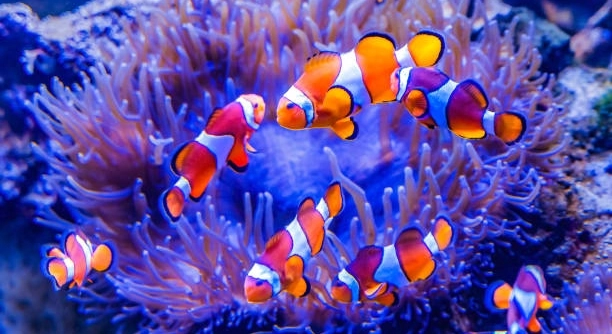
Clownfish are popular in home aquariums because of their bright colors and interesting behavior. Many fishkeepers want to see their clownfish form strong bonds with each other. This bonding helps create a peaceful and natural environment in the tank.
Several tank conditions can influence how quickly clownfish bond. Key factors include water quality, tank size, hiding spots, lighting, temperature, feeding routine, and the presence of other tank mates. Optimizing these conditions supports faster and healthier bonding between clownfish.
Knowing how these conditions affect clownfish bonding can improve your aquarium experience. The following information will help you create the best environment for your fish to thrive.
Water Quality and Stability
Maintaining good water quality is essential for clownfish bonding. Clean water reduces stress and helps fish feel safe. High ammonia, nitrite, or nitrate levels can cause discomfort, making clownfish less likely to interact. Regular water changes and proper filtration keep these levels low. Stability is also important—sudden changes in pH, temperature, or salinity can upset the fish and delay bonding. Monitoring water parameters often gives early signs of trouble, allowing adjustments before stress builds. A stable, clean tank creates a calm environment that encourages clownfish to explore, interact, and form pairs.
Proper water quality improves clownfish health and mood, which supports their social behavior. Stress from poor water conditions can lead to aggression or hiding.
Keeping water clean and stable helps clownfish feel secure. When they are comfortable, they spend more time near each other, increasing the chances of forming bonds and establishing territory together.
Tank Size and Hiding Spots
Tank size affects clownfish comfort. Smaller tanks limit space and can increase tension. Larger tanks give room to swim and avoid conflicts. Hiding spots provide safe areas for clownfish to retreat if needed, lowering stress and supporting social interaction.
A spacious tank with plenty of hiding places helps clownfish feel safe and relaxed.
When clownfish have enough room, they can develop natural behaviors without feeling crowded. Hiding spots like rocks, coral, or decorations mimic their natural habitat and offer protection. These spaces reduce aggressive encounters and allow shy fish to come out gradually. Proper tank size and shelters promote peaceful coexistence, which helps clownfish bond faster and stay healthier together.
Lighting and Temperature
Lighting affects clownfish behavior. Too bright or inconsistent light can stress them, while soft, steady lighting helps them feel calm.
Clownfish come from reef environments where lighting is moderate and stable. Mimicking this with aquarium lights encourages natural activity and bonding. Sudden changes in light intensity or long periods of darkness can disrupt their routine, causing hesitation in forming pairs. Using a timer to keep light consistent is helpful.
Temperature is also critical. Clownfish thrive best between 75°F and 82°F (24°C–28°C). Temperatures outside this range can weaken their immune system and reduce social interactions. Keeping temperature steady supports healthy metabolism and promotes peaceful bonding.
Feeding Routine and Tank Mates
Regular feeding builds trust between clownfish and their environment. Feeding the same types of food at consistent times creates a routine they recognize and rely on.
Tank mates influence clownfish bonding too. Peaceful species reduce stress, while aggressive fish can cause fear and disrupt relationships. Choosing compatible companions promotes a calm tank atmosphere.
Feeding your clownfish a balanced diet with a mix of flakes, pellets, and frozen foods ensures their health. Healthy fish are more likely to engage socially. Avoid overfeeding, which can dirty the tank and harm water quality.
Selecting non-aggressive tank mates like gobies or small wrasses helps maintain peace. Clownfish can focus on bonding rather than defending territory. A well-planned community tank supports both their comfort and social growth.
Water Salinity and Circulation
Proper salinity levels are vital for clownfish health. Maintaining a stable salt concentration around 1.020 to 1.025 specific gravity helps them thrive. Fluctuations can cause stress and slow bonding.
Good water circulation mimics natural ocean currents, providing oxygen and removing waste. It also encourages clownfish to explore and interact more comfortably.
Acclimation Period
Giving clownfish time to acclimate when introduced to a new tank reduces stress. A slow adjustment to water conditions helps them settle and start bonding naturally.
Rushing this process can lead to fear or aggression, which delays social development and bonding between fish.
Tank Cleanliness
Keeping the tank clean is crucial. Regular removal of waste and uneaten food prevents harmful bacteria buildup, promoting a healthy environment for clownfish.
FAQ
How long does it usually take for clownfish to bond?
Clownfish bonding time varies, but it typically takes a few weeks to a couple of months. This depends on tank conditions and the individual personalities of the fish. A calm environment with proper care can speed up the process, while stress or poor conditions may slow it down.
Can clownfish bond with more than one partner?
Clownfish usually form a pair bond with one mate, especially in smaller tanks. In larger tanks with enough space, some may establish social groups, but true pair bonding typically happens between two fish. Providing enough room and hiding spots helps prevent fights over partners.
What signs show that clownfish are bonding?
Bonding clownfish swim close together, chase away intruders, and share territory. They may also clean each other and display similar movements. Watching for these behaviors can help you know when your fish have formed a bond.
Is it okay to add clownfish at the same time?
Adding clownfish simultaneously can encourage bonding since neither fish has established territory yet. However, it’s important to monitor them closely for aggression and ensure the tank is large enough with plenty of hiding places to reduce conflict.
Does water temperature affect clownfish bonding?
Yes, temperature plays a big role. Keeping water between 75°F and 82°F supports healthy behavior and bonding. Temperatures outside this range can cause stress, illness, and slower social interaction.
How important is hiding space for clownfish bonding?
Hiding spaces reduce stress and offer safety. When clownfish feel secure, they are more likely to explore and interact, which helps bonding. Rocks, coral, and decorations create ideal hiding spots in the tank.
What should I feed my clownfish to support bonding?
A balanced diet with high-quality flakes, pellets, and frozen foods keeps clownfish healthy and active. Regular feeding schedules also build trust in their environment, encouraging social behaviors and bonding.
Can aggressive tank mates prevent clownfish bonding?
Aggressive fish can cause stress and interrupt bonding. Choosing peaceful companions helps clownfish feel safe and focus on forming bonds rather than defending themselves.
How often should I test the water to help clownfish bond?
Testing water weekly for ammonia, nitrite, nitrate, pH, and salinity helps keep conditions stable. Stable water quality reduces stress and supports bonding. Adjustments can be made quickly if problems arise.
Will lighting changes affect clownfish relationships?
Sudden or harsh lighting changes can stress clownfish, causing them to hide or become aggressive. Using steady, moderate lighting with a timer helps maintain a stable environment, encouraging social behavior and bonding.
Clownfish bonding depends a lot on the environment you provide for them. Good water quality, stable temperature, and proper salinity create a healthy space where they can feel safe. When these conditions are right, clownfish are more relaxed and willing to interact with each other. It’s important to keep the tank clean and monitor water parameters regularly. Small changes or poor conditions can cause stress, which slows down the bonding process. Taking time to maintain the tank carefully helps your clownfish build their relationships naturally.
Tank size and the setup inside the aquarium also play a big role in how quickly clownfish bond. A larger tank with enough hiding spots allows them to explore and find comfort zones without feeling threatened. When clownfish have places to hide, they feel less stressed and are more likely to spend time together. This reduces fights and encourages peaceful behavior. Also, lighting and feeding routines influence their mood and social behavior. Consistent lighting and a balanced diet support a calm environment, which helps clownfish bond faster and stay healthy.
Choosing the right tank mates and allowing an acclimation period are other important factors. Peaceful companions keep the tank calm and avoid interruptions to clownfish social behavior. When introducing new clownfish, letting them adjust slowly to the water conditions lowers their stress and improves bonding chances. Watching for signs like swimming together or sharing territory shows progress in their relationship. Overall, creating a stable, comfortable, and safe environment encourages clownfish to form strong bonds. Paying attention to these details improves both their wellbeing and your enjoyment of the aquarium.

Hello,
If you enjoy the content that we create, please consider saying a "Thank You!" by leaving a tip.
Every little bit helps us continue crafting quality advice that supports the health, happiness, and well-being of pets around the world, for pets of all shapes, sizes, and species.
We really appreciate the kindness and support that you show us!