
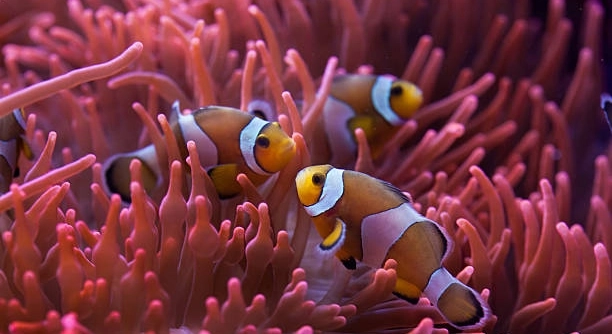
Clownfish rely on their hosts for shelter and protection in the ocean. These vibrant fish form close bonds with sea anemones, which provide safety from predators. However, certain factors can cause clownfish to lose their valuable hosts.
Clownfish may lose their hosts due to environmental changes, anemone health decline, aggression from other fish, poor water quality, physical injury, competition, or displacement by stronger individuals. Each factor disrupts the delicate balance necessary for this symbiotic relationship.
Understanding these causes can help protect clownfish and their habitats. This knowledge supports efforts to maintain healthy marine ecosystems where these fish thrive.
Environmental Changes Affecting Host Availability
Changes in the ocean environment can have a big impact on clownfish and their hosts. Rising water temperatures and pollution can weaken sea anemones, making them less suitable for clownfish to live in. When anemones suffer from bleaching or damage, they lose their ability to protect clownfish. Strong currents or storms can also physically remove anemones from their usual places. This leaves clownfish without shelter, forcing them to find new hosts or face danger. These environmental shifts disrupt the balance that clownfish depend on for survival.
The loss or damage of anemones from environmental changes reduces safe habitats for clownfish. Without a host, their survival chances drop significantly.
The connection between clownfish and their hosts depends on stable conditions. Environmental stress not only harms the anemones but also forces clownfish to adapt quickly or risk exposure. Conservation efforts focused on protecting marine environments play an important role in keeping these relationships intact. By addressing pollution and climate change, it becomes possible to preserve both the clownfish and their anemone hosts.
Aggression and Competition Among Fish
Aggressive behavior from other fish can push clownfish away from their hosts. This aggression often comes from larger or more dominant fish competing for territory. Clownfish must defend their homes, but sometimes they lose these fights.
Competition for limited hosts creates tension within the reef community. Clownfish that cannot hold onto a host may face greater risks without protection.
In coral reefs, many species vie for space and resources. Clownfish usually coexist peacefully with anemones, but competition can increase when hosts are scarce. Aggressive fish may try to take over an anemone or chase clownfish away. This forces some clownfish to relocate or live without proper shelter. Such situations can affect their health and ability to breed. Understanding how aggression and competition influence clownfish helps highlight the need for balanced reef ecosystems where all species have space to thrive.
Poor Water Quality Impact
Poor water quality can harm both clownfish and their hosts. Pollutants and excess nutrients weaken sea anemones, making them less healthy and less protective.
When water quality declines, sea anemones become stressed and more vulnerable to diseases. This reduces their ability to host clownfish safely. Contaminants like chemicals and waste can cause bleaching, which damages anemone tissues. Without a healthy anemone, clownfish lose their safe refuge. Additionally, poor water quality can weaken clownfish, reducing their ability to defend their host. Maintaining clean water is essential for preserving this relationship.
Water quality affects the entire reef ecosystem. Efforts to reduce pollution and monitor water conditions help protect both clownfish and anemones, ensuring they can thrive together.
Physical Injury and Displacement
Physical injuries can cause clownfish to lose their hosts. Damage from predators, rough currents, or accidents can force fish to leave their anemones.
Injured clownfish may become weaker or less able to defend their space, leading to displacement. When a fish is hurt, it often retreats to safer areas, sometimes losing contact with its host. This separation can disrupt the bond between clownfish and anemone. Additionally, injuries may reduce a fish’s ability to compete with others for a host, increasing the chance of losing shelter.
Displacement due to injury stresses clownfish and can reduce survival rates. Protecting reef environments from physical harm helps maintain safe habitats and strong fish-anemone relationships.
Decline in Anemone Health
Anemones may lose health due to disease or environmental stress. When this happens, their ability to host clownfish decreases.
A weakened anemone cannot provide proper protection or food scraps for clownfish. This can force fish to leave and find new hosts elsewhere.
Competition Among Clownfish
Multiple clownfish may compete for the same host anemone. This competition can cause tension and sometimes results in one fish being pushed away. Clownfish establish hierarchies, with dominant individuals securing the best hosts. Subordinate fish must find alternative shelters, which may be less safe or comfortable.
Displacement by Stronger Individuals
Stronger clownfish or other fish species can displace weaker clownfish from their hosts. This loss of shelter can expose displaced fish to predators and stress.
FAQ
Why do clownfish rely so much on their host anemones?
Clownfish depend on their host anemones for protection from predators. The anemone’s stinging tentacles keep most threats away, while clownfish have a special mucus coating that prevents them from being harmed. This mutual relationship helps clownfish survive in the reef, giving them shelter and a safe place to raise their young.
Can clownfish survive without a host anemone?
Clownfish can survive for short periods without a host, but they become vulnerable to predators. Without the anemone’s protection, clownfish must rely on hiding among rocks or coral. Over time, this increased risk can reduce their chances of survival. Finding a new host is critical for their long-term well-being.
What causes anemones to bleach or weaken?
Anemone bleaching happens mainly because of stress from changes in water temperature, pollution, or high sunlight exposure. When stressed, anemones lose the algae that live inside their tissues, which provide them with food and color. Bleached anemones become weak and less able to support clownfish.
How does aggression affect clownfish and their hosts?
Aggressive behavior from other fish can push clownfish away from their anemones. When competition for territory rises, clownfish must defend their space or find new hosts. Aggression increases when the number of available anemones is low, leading to conflicts that can harm clownfish or cause them to lose their shelter.
What role does water quality play in clownfish-host relationships?
Poor water quality damages both clownfish and anemones. Chemicals, waste, and excess nutrients weaken anemones, making them less protective. Polluted water can also stress clownfish, reducing their ability to defend their host or reproduce. Clean, balanced water conditions support healthier, stronger relationships.
How do injuries lead to loss of hosts?
Injured clownfish often become weaker and less able to defend their homes. Physical damage from predators or rough conditions can force them to leave their anemones for safer spots. Injuries also reduce their chances of competing with other fish for the best hosts, leading to displacement.
Can multiple clownfish share the same anemone?
Yes, several clownfish can live in one anemone, but they often form hierarchies. The dominant fish gets the best spot, while others stay lower in rank. When space is limited, competition can grow, sometimes forcing less dominant fish to find other hosts or risk losing protection.
What happens when anemones move or disappear?
Anemones can be moved by strong currents or storms, leaving clownfish without shelter. When this happens, clownfish must search for new hosts quickly to stay protected. The disappearance of anemones in an area reduces safe habitats, which can cause clownfish populations to decline.
Are there ways to help protect clownfish and their hosts?
Protecting marine habitats and reducing pollution are essential. Supporting reef conservation helps maintain healthy water quality and stable environments for anemones and clownfish. Avoiding damage to coral reefs and minimizing chemical runoff can improve survival rates and keep these relationships strong.
How does displacement by stronger fish affect clownfish?
When stronger clownfish or other fish take over a host, displaced clownfish lose shelter and become vulnerable. This increases stress and exposure to predators. Displaced fish may struggle to find new hosts, which affects their health and reproduction. Maintaining balanced reef populations helps reduce these conflicts.
Final Thoughts
Clownfish and their host anemones share a special relationship that depends on many factors working together. This connection provides clownfish with protection and a safe place to live. However, various challenges can cause clownfish to lose their hosts. Changes in the environment, poor water quality, competition, and injuries all play a role in breaking this important bond. Understanding these causes is key to appreciating how delicate this relationship really is. It also helps highlight the importance of caring for the ocean and its ecosystems.
The health of both clownfish and anemones is closely tied to the conditions of their surroundings. Pollution, rising temperatures, and physical damage can weaken anemones, making them less able to support clownfish. At the same time, aggressive behavior and competition within the reef affect how clownfish maintain their homes. When clownfish lose their hosts, they face greater risks from predators and may have trouble surviving or reproducing. Protecting the environment and maintaining clean, stable waters benefit both species and help keep this partnership strong.
Efforts to conserve coral reefs and reduce harm to marine habitats are essential for the future of clownfish and their hosts. Small changes, such as limiting pollution and preventing physical damage to reefs, can make a big difference. By understanding what causes clownfish to lose their hosts, people can better support conservation actions that protect these fish and their anemones. This will help ensure that clownfish continue to thrive in healthy ocean environments for years to come.

Hello,
If you enjoy the content that we create, please consider saying a "Thank You!" by leaving a tip.
Every little bit helps us continue crafting quality advice that supports the health, happiness, and well-being of pets around the world, for pets of all shapes, sizes, and species.
We really appreciate the kindness and support that you show us!