
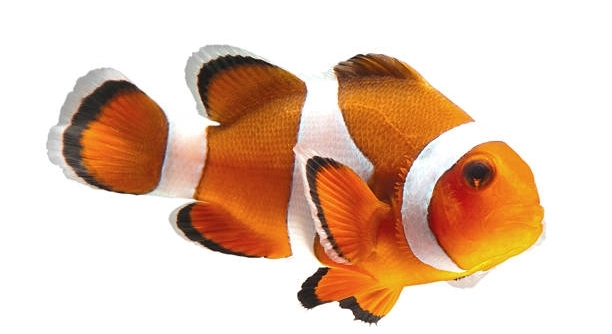
Clownfish are popular pets known for their bright colors and playful behavior. Many owners notice their clownfish chasing their hand when it moves near the tank. This common action often surprises new fish keepers.
Clownfish chase hands primarily because they perceive movement as a potential threat or intrusion. This behavior is a natural territorial response, where the fish attempts to protect its space from what it views as an unfamiliar object.
Understanding why your clownfish reacts this way can improve your interaction with them. The article will explain the reasons and suggest ways to create a calm environment for your fish.
Why Clownfish Chase Moving Objects
Clownfish are naturally alert to any movement near their territory. In an aquarium, your hand entering the tank is seen as an intrusion. This triggers a defensive instinct where the fish chase the moving object to ward it off. It is not about aggression but protection. The chasing behavior also relates to their territorial nature, as clownfish guard specific areas. Sometimes, this movement resembles the approach of food, which causes them to follow your hand closely. Over time, they may associate your presence with feeding, increasing their interest in chasing your hand. This reaction is typical in captive clownfish and does not usually indicate distress unless accompanied by other signs such as hiding or rapid breathing. Maintaining a calm approach and consistent feeding routine can help reduce stress. Understanding these behaviors can improve your interaction and make caring for clownfish easier and more enjoyable.
Clownfish chasing hands is a natural territorial and feeding-related behavior, often triggered by movement near their tank.
Some fish keepers find it helpful to approach the tank slowly and avoid sudden hand movements. Consistent feeding schedules and gentle interaction reduce the fish’s need to chase, helping them feel more secure. Over time, your clownfish can become accustomed to your presence, showing less defensive behavior and more calm observation.
How to Minimize Chasing Behavior
Reducing the chasing begins with changing how your clownfish perceives your hand. Avoid quick or erratic movements near the tank, which can trigger the chasing reflex. Slowly placing your hand in the water before feeding signals that no threat exists. Using feeding tools like tongs can help separate feeding from hand movement, so fish learn to expect food without feeling threatened. It is also helpful to provide hiding spots and decorations in the tank to make the environment more secure. A stressed fish will chase more aggressively, so keeping water conditions stable is essential. Regular tank maintenance and avoiding overcrowding contribute to a calm fish. Over time, with patience and gentle interaction, the chasing behavior can decrease significantly, making your clownfish more relaxed and less reactive to hand movements.
Understanding Clownfish Behavior
Chasing hands is part of a clownfish’s instinct to protect its territory. It is not aimed at causing harm but maintaining control over its environment. This behavior is common in many aquarium fish species.
Clownfish are naturally curious and territorial creatures. When they see your hand moving near the tank, it can seem like an intruder entering their space. They chase to investigate and push the “intruder” away. Sometimes, this chasing is also linked to food anticipation, as clownfish learn to associate hands with feeding time. This learned behavior strengthens their response, making them more active around your hand.
These fish are intelligent and adaptable. Over time, with consistent, calm interaction, they may recognize your hand as non-threatening. However, sudden movements will always trigger their natural chasing instinct. Being patient and gentle helps build trust and reduces chasing behaviors in the long term.
Managing Your Clownfish’s Environment
Providing a stable and enriched environment reduces chasing. Consistent water quality, temperature, and tank setup help keep clownfish calm and secure.
Hiding places like rocks, coral, and plants offer comfort and reduce stress, which lowers chasing behavior. A well-maintained tank without overcrowding creates a peaceful space for the fish. Stress increases chasing and erratic movements, so maintaining balance is key. Feeding routines that separate hand movement from feeding signals also help lessen the chasing response. Overall, managing these environmental factors encourages a calmer fish and a more enjoyable experience for both the owner and the clownfish.
Signs of Stress in Clownfish
When clownfish chase aggressively, it may indicate stress. Rapid darting, hiding, or loss of appetite often accompany this behavior.
Stress can come from poor water quality, overcrowding, or sudden changes in the tank environment. Watching for these signs helps prevent serious health issues.
Proper Feeding Techniques
Feeding clownfish with tools like feeding tongs can reduce hand chasing. It separates feeding from your hand’s movement, lowering stress and confusion.
Consistent feeding times also help clownfish develop a routine. This reduces excitement around random hand movements and keeps their behavior calmer during interactions.
Interaction Tips
Avoid sudden movements near the tank. Move your hand slowly to avoid triggering chasing behavior.
Tank Setup Basics
A clean tank with stable water conditions supports healthy clownfish behavior. Proper filtration and regular maintenance are essential for a peaceful environment.
FAQ
Why does my clownfish chase my hand but not bite?
Clownfish often chase to defend their territory or investigate movement, but they rarely bite. Their chasing is mostly a warning or curiosity rather than aggression. Biting usually happens only if the fish feels highly threatened or stressed, which is uncommon with gentle interactions.
Is it normal for clownfish to chase fingers during feeding?
Yes, chasing hands during feeding is common. Clownfish associate hand movements with food, so they follow or chase fingers expecting a meal. Using feeding tools can help separate feeding from hand movement to reduce chasing behavior.
Can chasing behavior indicate illness?
Chasing alone doesn’t usually signal illness. However, if chasing is paired with unusual signs like lethargy, color loss, or labored breathing, it could mean the fish is sick or stressed. Monitor your fish closely and check water conditions if you notice these symptoms.
How can I stop my clownfish from chasing my hand?
Reducing chasing involves slow, gentle hand movements and avoiding sudden gestures near the tank. Creating a calm environment with hiding spots and consistent feeding schedules also helps. Over time, fish may become less reactive as they get used to your presence.
Does chasing mean my clownfish is aggressive?
Chasing is a natural territorial behavior, not necessarily aggression. Clownfish protect their space but usually do not harm tank mates or owners. The behavior is more about defense than attacking.
Should I worry if my clownfish chases other fish?
Territorial chasing between clownfish and other species is normal, especially in smaller tanks. Ensure the tank is large enough and has enough hiding spaces to reduce conflict. If chasing becomes violent or constant, it may require tank adjustments.
Will my clownfish stop chasing if I feed it by hand?
Feeding by hand can sometimes increase chasing because fish link hands with food. Using feeding tools and feeding at regular times without sudden hand movements can lessen chasing over time.
Can tank size affect chasing behavior?
Smaller tanks increase territorial behavior, causing more chasing. Providing enough space for each fish reduces stress and chasing. A larger tank allows clownfish to establish territories without constant confrontation.
Does chasing mean my clownfish recognizes me?
Chasing is more about territory than recognition. While clownfish may become familiar with your presence, chasing is instinctive and linked to protecting their space, not personal recognition.
Is chasing behavior harmful to clownfish?
Chasing itself is not harmful if it’s not excessive. Stress from constant chasing or overcrowding can affect health. Maintaining good tank conditions and monitoring fish behavior helps keep chasing in a healthy range.
What should I do if my clownfish chases too aggressively?
Aggressive chasing may mean stress or poor environment. Check water quality, tank size, and tank mates. Adding hiding spots and reducing sudden movements can calm your fish. If aggression persists, consider consulting a specialist.
Can clownfish be trained not to chase?
While not “training” in a strict sense, clownfish can learn to be less reactive through gentle, consistent interaction. Avoid sudden movements, feed regularly, and create a stable environment to reduce chasing over time.
Are there specific times when clownfish chase more?
Clownfish tend to chase more during feeding or when new objects enter their territory. Breeding periods may also increase chasing due to heightened territorial instincts.
Does chasing mean my clownfish is stressed?
Not always. Chasing is often normal behavior, but excessive or frantic chasing can be a stress sign. Stress usually comes from poor water quality, overcrowding, or sudden changes. Regular maintenance and monitoring reduce stress.
How do I know if my clownfish is happy?
A happy clownfish will swim actively, eat well, and show natural behaviors like hiding and exploring without frantic chasing. Calm interactions and good tank conditions contribute to overall health and happiness.
Final Thoughts
Clownfish chasing your hand is a common behavior rooted in their natural instincts. It is mainly about protecting their territory and responding to movement. This chasing is not a sign of aggression or harm but a way for the fish to understand its environment. Knowing this helps create a better relationship between you and your clownfish. Accepting this behavior as normal makes caring for these fish easier and less stressful.
Creating a calm and stable environment plays a big role in managing chasing behavior. Consistent feeding routines, gentle hand movements, and providing hiding spaces can reduce stress for your clownfish. Keeping the water clean and the tank well-maintained also supports their well-being. When clownfish feel safe, they are less likely to chase aggressively. With patience and care, the chasing may become less frequent, allowing you to enjoy your fish’s natural curiosity without worry.
Paying attention to your clownfish’s overall health and behavior is important. Chasing alone is not a problem, but if combined with signs of stress or illness, it may need attention. Regular tank checks and observing your fish closely help keep problems from growing. Understanding why clownfish chase and how to respond creates a better environment for both the fish and the owner. This knowledge makes aquarium keeping more rewarding and enjoyable.

Hello,
If you enjoy the content that we create, please consider saying a "Thank You!" by leaving a tip.
Every little bit helps us continue crafting quality advice that supports the health, happiness, and well-being of pets around the world, for pets of all shapes, sizes, and species.
We really appreciate the kindness and support that you show us!