
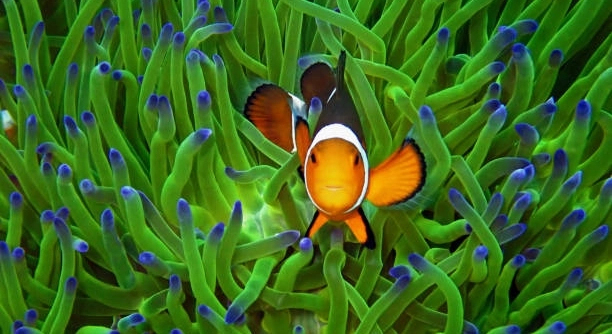
Clownfish are popular aquarium pets known for their bright colors and lively behavior. Sometimes, they rest flat on rocks, which can catch the attention of fish owners. This behavior can be surprising and lead to concerns about their health.
Clownfish lying flat on rocks is usually a sign of resting, stress, illness, or environmental discomfort. It may indicate that the fish is conserving energy, feeling unwell, or reacting to changes in water quality or tank conditions.
Understanding why your clownfish behaves this way can help you provide better care. This article explores common reasons and what you can do to support your fish’s well-being.
Common Reasons Clownfish Lay Flat on Rocks
Clownfish often lay flat on rocks to rest or conserve energy. This is a natural behavior and usually nothing to worry about. However, if the fish stays in this position for a long time or appears lethargic, it could mean stress or illness. Poor water quality, sudden changes in temperature, or improper tank setup can make clownfish uncomfortable. Sometimes, they lie flat to avoid strong currents or when they feel threatened by other tank mates. It is important to observe other signs like loss of appetite or unusual swimming patterns. Keeping the tank clean, maintaining stable water parameters, and providing hiding places helps clownfish feel safe. Regular monitoring ensures they stay healthy and active.
Flat behavior may be a response to physical discomfort or environmental factors in the aquarium.
If your clownfish frequently lies flat, check water temperature, pH levels, and ammonia concentration. Any imbalance can cause stress. Make sure the tank has enough space and hiding spots. If illness is suspected, isolate the fish and seek advice from a vet or experienced aquarist. Prompt action can prevent worsening health and restore your clownfish’s normal activity. Observing your fish daily allows you to catch problems early and keep the aquarium environment ideal.
How Tank Environment Affects Clownfish Behavior
Tank conditions play a significant role in clownfish behavior. Unstable water temperature, high nitrate levels, or low oxygen can cause stress and discomfort. Clownfish prefer stable environments with temperatures around 75-82°F and clean, well-filtered water. They also need enough space to swim freely and rocks or coral to hide in. Without these, they may lie flat more often, trying to protect themselves or reduce energy use. Adding plants and decorations mimicking their natural habitat helps. Proper lighting also affects their activity levels and stress. Regular water testing and maintenance are essential. Paying attention to these details creates a better living space for your clownfish, encouraging healthy behavior and reducing unusual resting on rocks.
Signs of Stress and Illness in Clownfish
Clownfish may lay flat on rocks when stressed or sick. Other signs include rapid breathing, loss of appetite, and faded colors. Stress can come from tank mates or poor water conditions.
Stress weakens the clownfish’s immune system, making it more vulnerable to diseases. Parasites, bacterial infections, and injuries can cause unusual behavior like lying flat. If you notice these symptoms, test the water for ammonia, nitrite, and nitrate levels. Observe if other fish show similar signs. Quarantine affected fish to prevent spreading illness. Keeping the tank clean and stable supports recovery.
Sometimes, stress results from aggressive tank mates. Clownfish are territorial but can become intimidated by larger or more aggressive species. Reducing tank crowding or separating fish may be necessary. Consult with an expert if illness persists despite good care.
Adjusting Tank Setup for Better Clownfish Health
Providing hiding places and rocks similar to their natural habitat helps clownfish feel secure. Proper tank size is essential to reduce stress. Avoid overcrowding, which increases aggression and poor water quality.
Maintaining stable water temperature and regular cleaning prevents stress-related issues. Use a reliable filtration system and test water parameters weekly. Adding live plants or coral can improve oxygen levels and create a comfortable environment. Observing fish behavior daily helps catch problems early. Making small adjustments can significantly improve your clownfish’s health and reduce flat resting behavior.
Feeding Habits and Their Impact
Clownfish may lie flat on rocks after eating as they digest their food. Overfeeding can cause discomfort and sluggishness, leading to more resting behavior.
Providing a balanced diet with appropriate portions helps maintain energy and health. Avoid excess food that pollutes the tank and stresses the fish.
Water Quality Maintenance
Regular water changes are vital to keep the environment healthy. Poor water quality leads to stress and illness in clownfish.
Monitor ammonia, nitrite, and nitrate levels weekly. Keeping water clean reduces the chance of infections and encourages active behavior.
Recognizing Normal Resting Behavior
Clownfish naturally rest on rocks during quiet periods. This behavior is normal and part of their daily routine.
It is important to distinguish resting from signs of stress to ensure their well-being.
When to Consult a Specialist
If unusual behavior persists despite good care, professional advice may be necessary. Early intervention can prevent serious health issues.
FAQ
Why does my clownfish lay flat on rocks but seems healthy?
Sometimes, clownfish rest flat on rocks simply to relax or conserve energy. This is normal behavior, especially during quiet periods or at night. If the fish is eating well, swimming actively at other times, and shows no signs of illness, lying flat is usually not a problem.
Can water temperature cause clownfish to lie flat on rocks?
Yes, temperature changes can affect clownfish behavior. If the water is too cold or too warm, they may become lethargic and lie flat to conserve energy. Maintaining a stable temperature between 75 and 82°F helps keep them active and healthy.
Is lying flat a sign of illness in clownfish?
Lying flat can be a symptom of illness, especially when combined with other signs like faded color, loss of appetite, or rapid breathing. Diseases such as bacterial infections or parasites can cause this behavior. Observing your fish closely and testing water quality can help identify problems early.
How often should I check water quality for my clownfish?
Testing water parameters weekly is recommended. Monitor ammonia, nitrite, nitrate, pH, and temperature to ensure a stable environment. Good water quality reduces stress and prevents health issues that might cause your clownfish to lie flat.
What should I do if my clownfish lies flat after being introduced to a new tank?
It’s normal for clownfish to rest more when adjusting to a new environment. Stress from changes can cause flat resting. Ensure the tank is properly cycled, water conditions are stable, and provide hiding spots. Monitor behavior over a few days to see if they become more active.
Can tank mates cause my clownfish to lie flat on rocks?
Yes, aggressive or territorial tank mates can stress clownfish, making them hide or lie flat. Providing enough space, separate territories, and suitable companions helps reduce stress and promotes normal behavior.
Does diet affect my clownfish’s tendency to lie flat?
Improper diet or overfeeding can cause discomfort and lethargy, leading to more resting behavior. Feeding a balanced diet in appropriate amounts supports health and energy levels. Avoid leftover food that pollutes the tank.
When should I isolate my clownfish if it lies flat?
If your clownfish shows persistent lethargy, loss of appetite, or visible signs of disease while lying flat, isolation is wise. Quarantine helps prevent spreading illness and allows focused treatment.
How can I improve my clownfish’s environment to reduce flat resting?
Create a stable tank with proper temperature, clean water, adequate hiding spots, and compatible tank mates. Regular maintenance and observation reduce stress and encourage active swimming.
Is it normal for clownfish to rest during the day?
Clownfish can rest during the day but usually are more active. If resting increases or they remain motionless for long, it could indicate stress or illness requiring attention.
Can lighting affect clownfish behavior?
Lighting influences activity levels. Too bright or harsh light may cause clownfish to hide or rest more. Using natural or dimmed lighting simulates their natural habitat and promotes healthy behavior.
What are signs that my clownfish is recovering from stress or illness?
Increased swimming, regular feeding, brighter coloration, and less time lying flat are positive signs. Recovery may take days or weeks depending on the issue and care provided.
How important is tank size for clownfish behavior?
A tank that is too small increases stress and limits movement, causing more resting. Providing enough space (at least 20 gallons for one or two clownfish) encourages natural activity and reduces flat resting on rocks.
Can changes in water chemistry cause sudden flat resting?
Sudden shifts in pH, ammonia, or nitrite levels can shock clownfish, leading to lethargy and flat resting. Monitoring and maintaining stable water chemistry prevents these issues.
Are there natural behaviors similar to lying flat in wild clownfish?
Yes, wild clownfish rest on coral or rocks to avoid predators and conserve energy. This natural resting behavior can appear in aquariums as well.
How can I tell if my clownfish is just resting or truly sick?
Look for other symptoms such as lack of appetite, gasping at the surface, color changes, or unusual swimming. Resting is brief and followed by normal activity, while sickness usually shows multiple signs.
What is the best way to treat a sick clownfish showing flat resting behavior?
First, improve water quality and isolate the fish. Use medications suitable for bacterial or parasitic infections as advised by a vet or experienced aquarist. Supportive care and proper environment are crucial for recovery.
Can stress cause permanent changes in clownfish behavior?
Prolonged stress can weaken the immune system and lead to lasting behavioral changes. Minimizing stress through good tank management and care helps prevent long-term effects.
Is flat resting common in young clownfish compared to adults?
Juvenile clownfish may rest more often as they develop strength and adjust to their environment. Adults usually show more consistent activity unless stressed or ill.
How do I know if my clownfish’s lying flat is due to aggression?
Observe interactions with other fish. If your clownfish is chased, nipped, or forced to hide often, aggression is likely. Separating aggressive fish or rearranging the tank can help.
What role does oxygen play in clownfish resting behavior?
Low oxygen levels cause fish to become lethargic and lie flat. Proper aeration and water circulation maintain oxygen, supporting healthy activity.
Can over-cleaning or frequent water changes stress clownfish?
Excessive water changes or disturbing the tank often can stress fish. Balance maintenance routines to keep water quality without causing constant disruption.
Is it safe to use tank additives or medications when clownfish lie flat?
Only use treatments recommended for clownfish and follow instructions carefully. Incorrect use can worsen stress and health.
How long should a clownfish lie flat before I worry?
Brief resting is normal. If your clownfish lies flat for hours or days without improvement, it’s time to investigate causes and take action.
What preventive steps help avoid flat resting caused by health issues?
Regular water testing, balanced diet, suitable tank mates, and stress reduction measures prevent illnesses that lead to flat resting. Early detection through daily observation is key.
Does age affect how often clownfish lie flat on rocks?
Older fish may rest more as energy declines. This is normal unless accompanied by other signs of poor health.
Are there environmental triggers other than water quality that cause this behavior?
Sudden loud noises, vibrations, or strong currents can startle clownfish, leading to flat resting until they feel safe again.
Can overcrowding cause clownfish to lie flat more often?
Yes, overcrowding increases stress, aggression, and competition, causing clownfish to rest more to avoid conflict.
How does acclimation affect clownfish resting habits?
New clownfish may lie flat frequently during acclimation. Gradual introduction and stable conditions help them adjust faster.
Should I change lighting schedules if my clownfish lies flat often?
Adjusting lighting to mimic natural day and night cycles supports healthy behavior and reduces stress-induced resting.
What’s the connection between tank décor and clownfish lying flat?
Adequate rocks, coral, and hiding places give clownfish spots to rest safely. Lack of décor can increase stress and unusual behavior.
Clownfish lying flat on rocks is a behavior that can have several explanations, ranging from normal resting to signs of stress or illness. It is important to observe your fish carefully and consider the context in which this happens. When clownfish rest flat, it can simply mean they are conserving energy or feeling safe in their environment. However, if the behavior is frequent, prolonged, or accompanied by other symptoms such as loss of appetite, faded colors, or unusual swimming, it may be a signal that something is wrong. Keeping an eye on these signs helps ensure timely action to protect your fish’s health.
Maintaining a stable and healthy tank environment is key to preventing issues that lead to clownfish lying flat on rocks. Regular water testing, proper temperature control, balanced feeding, and providing hiding spaces all contribute to reducing stress. Stress is one of the main causes of unusual behavior in aquarium fish, including clownfish. It can come from poor water quality, aggressive tank mates, or sudden changes in the environment. By creating a calm and stable habitat, your clownfish will feel more secure and show normal, active behavior more often.
If you notice that your clownfish continues to lie flat on rocks despite your efforts to improve the tank environment and care, consulting a specialist or experienced aquarist is recommended. Sometimes, underlying illnesses require targeted treatment or quarantine. Early detection and intervention improve the chances of recovery. Understanding and responding to your clownfish’s behavior promotes a healthier aquarium and a more enjoyable experience for you as a caretaker. Taking these steps ensures your clownfish can thrive in a safe and comfortable space.

Hello,
If you enjoy the content that we create, please consider saying a "Thank You!" by leaving a tip.
Every little bit helps us continue crafting quality advice that supports the health, happiness, and well-being of pets around the world, for pets of all shapes, sizes, and species.
We really appreciate the kindness and support that you show us!