
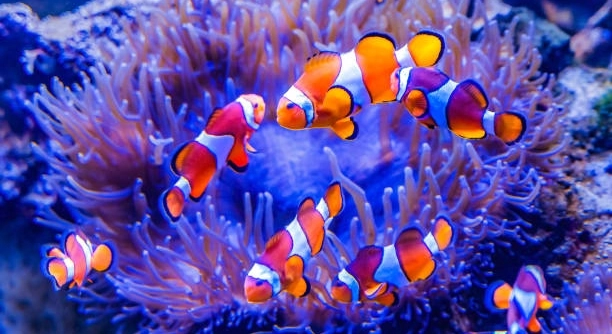
Clownfish are known for their vibrant colors and lively behavior in coral reefs. These small fish have sensitive hearing that helps them navigate their environment. Unexpected sounds can startle clownfish and affect their usual calm nature.
Clownfish react to various unexpected sounds such as sudden loud noises, vibrations from nearby boats, snapping shrimp clicks, predator movements, water turbulence, human activity, and equipment sounds. These auditory stimuli trigger stress responses and evasive behaviors in clownfish.
Understanding what frightens clownfish can help protect their natural habitat and ensure their well-being in aquariums and the wild. Exploring these sounds reveals important insights into their behavior and care.
Sudden Loud Noises
Sudden loud noises, such as underwater explosions or boat engines revving nearby, can cause immediate alarm in clownfish. These sounds create vibrations that travel through the water, making the fish feel threatened. When startled, clownfish may dart into nearby coral or hide among anemones for safety. This reaction is a survival instinct, helping them avoid potential predators. Repeated exposure to loud sounds can increase their stress levels, affecting their feeding and social behavior. For clownfish living in aquariums, loud noises from household appliances or people tapping the glass can have similar effects. It’s important to keep their environment calm to reduce unnecessary stress. In the wild, these sudden sounds often come from human activity, highlighting the impact people have on marine life. Taking measures to minimize noise pollution near coral reefs can improve clownfish health and behavior.
These loud noises trigger a stress response that disrupts clownfish behavior and may affect their long-term well-being.
Reducing loud disturbances in both natural and captive settings helps clownfish maintain normal routines. Quiet surroundings allow them to feed, reproduce, and interact without fear, which is essential for their survival and happiness.
Vibrations From Boats
Vibrations created by boats moving near coral reefs produce low-frequency sounds that clownfish can detect easily. These vibrations carry through the water and can feel like constant pressure changes. Clownfish rely on a delicate balance of environmental cues to thrive, and the vibrations can interfere with their ability to sense predators or communicate with others. In some cases, these vibrations cause clownfish to leave their protective anemones, exposing them to danger. Boat traffic near sensitive reef areas is often unavoidable, but understanding its impact on marine life is crucial. Limiting speed and noise near reefs can reduce the disturbance to clownfish populations. For aquarium keepers, avoiding placing tanks near noisy equipment can help minimize vibration stress. Overall, reducing boat vibrations near clownfish habitats helps preserve their natural behaviors and supports reef ecosystem health.
Snapping Shrimp Clicks
Snapping shrimp produce sharp clicking sounds that can startle clownfish. These noises occur frequently in reef environments and create sudden bursts of sound.
The clicking of snapping shrimp is a form of communication and hunting technique. The shrimp snap their claws rapidly, generating a loud noise and even small bubbles that collapse and produce a shockwave. Clownfish living nearby can be surprised by these sounds, especially if they are close to their hiding spots. While these clicks are natural, the intensity and frequency can cause stress. Clownfish may become more alert or move away to avoid the noise. Over time, constant exposure might affect their comfort and feeding behavior.
Despite the noise, snapping shrimp play an important role in the reef ecosystem. Their activity helps maintain the balance of marine life, but for clownfish, the clicks can be an unexpected disturbance that they must learn to live with.
Predator Movements
Clownfish detect sounds made by predators moving nearby, triggering quick defensive actions. These sounds alert clownfish to possible danger.
The vibrations and noises from larger fish or other predators in the reef signal a threat. Clownfish respond by hiding deep within anemones or freezing to avoid detection. This response is vital for their survival, as predators rely on movement and sound to find prey. Clownfish have adapted to recognize these specific sounds and react swiftly. The more sensitive their hearing, the better their chances of escaping harm.
In aquarium settings, similar reactions occur when fish or even humans approach the tank suddenly. This sensitivity to predator sounds shows how closely clownfish are connected to their natural instincts and environment.
Water Turbulence
Water turbulence creates unpredictable movements and noises that can unsettle clownfish. Rapid currents or waves disrupt their usual environment and cause stress.
Clownfish depend on stable water conditions for feeding and shelter. Sudden turbulence forces them to adjust quickly, often retreating into anemones for protection. This constant disturbance can impact their energy and overall health.
Human Activity
Human activity near reefs produces various sounds and vibrations. These disturbances can alter clownfish behavior and habitat use.
Boating, diving, and fishing introduce noise pollution that interferes with clownfish communication and increases stress. Minimizing such activities helps protect these delicate fish and their ecosystem.
Equipment Sounds
Mechanical equipment near aquariums generates constant background noise. Pumps, filters, and lighting systems produce sounds that clownfish can detect.
Though these noises may seem mild, continuous exposure can cause stress and disrupt normal behavior. Careful placement and maintenance of equipment reduce these effects and promote healthier fish.
What sounds are most likely to scare clownfish?
Clownfish are most sensitive to sudden loud noises, vibrations from boats, snapping shrimp clicks, predator movements, water turbulence, human activity, and equipment sounds. These unexpected sounds disrupt their environment and cause stress or fear responses. Each sound affects clownfish differently, but all can trigger hiding or fleeing behaviors.
How do loud noises affect clownfish behavior?
Loud noises cause clownfish to become startled and stressed. They often react by quickly retreating into their anemones or swimming away. Over time, repeated loud sounds may reduce their feeding and social interactions. In captivity, loud household noises can cause similar reactions, highlighting the need for a quiet environment.
Why do vibrations from boats bother clownfish?
Boat vibrations produce low-frequency sounds that travel through water and can interfere with clownfish’s ability to detect threats or communicate. These vibrations create a constant disturbance, sometimes causing clownfish to leave their safe zones, making them vulnerable to predators.
Are snapping shrimp clicks harmful to clownfish?
Snapping shrimp clicks are a natural part of the reef environment but can be surprising and stressful to clownfish. While not harmful in themselves, the frequent sharp noises can cause clownfish to become more alert and less comfortable in their surroundings.
How do clownfish react to predators nearby?
Clownfish detect the movements and sounds of predators through vibrations. When sensing danger, they respond by hiding deeply in their anemones or remaining motionless to avoid detection. This instinct is critical for their survival in the wild.
Can human activity disturb clownfish?
Yes, human activities such as boating, diving, and fishing create noise pollution and vibrations that can stress clownfish. These disturbances may disrupt their feeding and breeding habits. Minimizing noise and contact near reefs helps reduce these negative effects.
What impact do aquarium equipment noises have on clownfish?
Mechanical noises from pumps, filters, and lighting can create a constant background sound that stresses clownfish in captivity. Though these sounds are often low, their persistence may cause behavioral changes, making it important to manage equipment noise carefully.
How can I reduce noise stress for clownfish in an aquarium?
To reduce noise stress, place the tank away from loud appliances and minimize sudden noises around the aquarium. Use quieter equipment and maintain it properly. Creating a stable, calm environment helps clownfish feel safe and supports their natural behavior.
Do clownfish get used to frequent sounds over time?
Clownfish may become somewhat accustomed to regular, predictable sounds, but sudden or very loud noises can still cause stress. Continuous disturbances can lead to long-term negative effects on their health and behavior, so consistent quiet conditions are best.
Are there ways to protect clownfish in natural habitats from noise pollution?
Limiting boat speeds, restricting noisy activities near reefs, and enforcing marine protected areas help reduce noise pollution. These measures protect clownfish and other reef species by preserving their peaceful environment and supporting healthy ecosystems.
Can water turbulence caused by weather affect clownfish?
Yes, strong currents and waves create turbulence that disturbs clownfish’s normal activities. Turbulence forces them to use more energy to maintain position or find shelter, which can affect feeding and resting patterns, especially during storms.
Why is understanding clownfish’s reaction to sound important?
Understanding how clownfish react to sound helps improve their care in captivity and informs conservation efforts. By minimizing stressors, both in aquariums and the wild, we can help clownfish thrive and maintain balanced reef ecosystems.
What signs show that clownfish are stressed by sounds?
Signs include hiding more than usual, reduced feeding, erratic swimming, or staying still for long periods. These behaviors indicate discomfort or fear caused by noise or vibrations in their environment.
Can sound sensitivity affect clownfish breeding?
Yes, stress from loud or constant noises can disrupt mating behaviors and reduce breeding success. Providing a calm environment encourages natural reproductive activities and healthier offspring.
How do natural reef sounds differ from human-made noises?
Natural reef sounds, like those from snapping shrimp or water movement, are familiar to clownfish and part of their environment. Human-made noises tend to be louder, unpredictable, and more intrusive, causing higher stress levels and disruption to their behavior.
Clownfish are small but sensitive creatures that rely heavily on sound and vibrations to understand their surroundings. Unexpected noises, whether from nature or human activity, can startle and stress them. Their reactions to these sounds are part of their survival instincts. When frightened, they quickly seek shelter or become less active, which can affect their health over time. Knowing what sounds scare clownfish helps us provide better care for them, especially in aquariums, and encourages the protection of their natural habitats. Paying attention to the noises around them is an important step in supporting their well-being.
In the wild, clownfish live in environments filled with natural sounds like water movement, snapping shrimp, and other marine life. These sounds are part of the reef ecosystem and are familiar to the fish. However, human activities such as boating, fishing, and construction near coral reefs introduce loud and unfamiliar noises. These disturbances can disrupt clownfish’s normal behavior, causing stress and sometimes forcing them to leave their safe spaces. Even in captivity, equipment noises and household sounds can affect clownfish. By understanding how these sounds impact clownfish, we can reduce noise pollution and create better environments for these fish to thrive.
Taking care of clownfish involves more than just feeding and maintaining water quality. It requires awareness of the sounds and vibrations they experience daily. Quiet surroundings and limiting sudden noises can reduce their stress and help them maintain natural behaviors. For those who keep clownfish in aquariums, choosing quiet equipment and placing tanks away from noisy areas can make a big difference. Protecting clownfish in the wild means supporting efforts to reduce noise pollution near coral reefs. With thoughtful care and attention to their auditory environment, clownfish can live healthier, less stressed lives both in captivity and in their natural homes.

Hello,
If you enjoy the content that we create, please consider saying a "Thank You!" by leaving a tip.
Every little bit helps us continue crafting quality advice that supports the health, happiness, and well-being of pets around the world, for pets of all shapes, sizes, and species.
We really appreciate the kindness and support that you show us!