
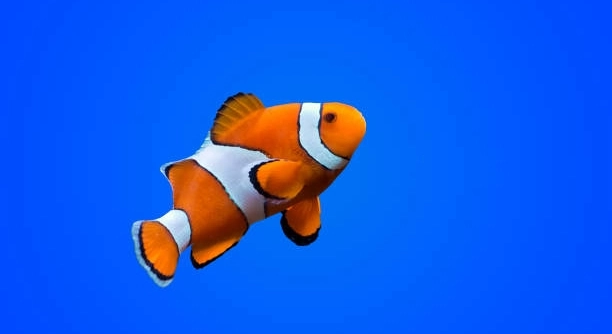
Clownfish are colorful and popular marine fish often found in coral reefs. Many people enjoy watching their behavior and wonder how they learn in their natural environment. Understanding their learning abilities can help improve care in aquariums.
Clownfish show the ability to learn through repetition, displaying behaviors that improve with practice. Studies indicate that repeated exposure to certain tasks helps them recognize patterns and adapt to new situations, demonstrating basic learning skills.
Exploring how clownfish learn from repetition reveals important insights about their behavior and care. This knowledge can improve how we interact with and support these fascinating fish.
How Clownfish Learn in Their Environment
Clownfish live in coral reefs, where they face many challenges to survive. They need to find food, avoid predators, and interact with other fish. These tasks require learning and adapting to changes around them. Clownfish learn mainly through watching and repeating behaviors that help them stay safe and healthy. For example, they may learn the best places to hide or when to swim away from danger. Over time, these repeated actions become habits, helping them live longer. In captivity, similar learning happens when they recognize feeding times or respond to certain signals. This ability to learn from repetition helps clownfish adjust to different environments, whether in the wild or in an aquarium.
Research shows that clownfish can remember tasks better after practicing them several times. This helps them respond faster and more accurately.
Learning through repetition allows clownfish to improve their survival skills and adapt to new situations. It shows that even small fish have a basic memory and can change their behavior based on experience.
The Role of Repetition in Clownfish Behavior
Repetition helps clownfish build strong habits that support their daily needs. When they encounter the same situation multiple times, their response becomes more reliable and effective. This can be seen in how they navigate their reef or interact with other species. Repetition also helps reinforce social behaviors, like recognizing their group or signaling danger. In aquariums, repeated exposure to feeding routines can reduce stress and improve well-being. These learned behaviors develop gradually, showing that clownfish have a simple but important learning process. Understanding this can guide better care and environment design for these fish, supporting their natural instincts while in captivity. Observing their reactions over time provides insight into how learning shapes their behavior.
Signs That Clownfish Learn from Repetition
Clownfish often show changes in behavior after repeated exposure to a stimulus. These changes indicate that they remember and adapt based on experience. Such learning helps them survive and thrive in their environment.
One example is how clownfish recognize feeding times. When fed at consistent times, they begin to anticipate food and gather near the feeding area before food arrives. This behavior shows their ability to link repetition with reward. Similarly, clownfish learn to avoid certain areas where they encountered threats before. This shows memory and caution built through experience.
Clownfish also repeat social signals within their groups. These repeated signals strengthen their bonds and help maintain group order. This type of learning supports their survival by improving cooperation and communication.
Factors That Affect Clownfish Learning Ability
Several factors influence how well clownfish learn from repetition. Age is one, as younger fish may learn faster than older ones. The environment also plays a role; a calm, consistent setting helps learning, while sudden changes can confuse them.
Stress impacts learning negatively. When clownfish feel threatened, their ability to focus and remember decreases. Providing a safe and stable habitat improves their learning outcomes. The type of task matters too—simple, clear signals are easier for clownfish to remember than complex ones.
Understanding these factors is important for aquarium care. By controlling the environment and reducing stress, caretakers can help clownfish learn better, leading to healthier and more active fish. This shows how closely learning and wellbeing are connected in these small fish.
How Repetition Shapes Clownfish Habits
Repetition helps clownfish form habits that improve their chances of survival. These habits include feeding, hiding, and social interactions. Over time, repeated actions become natural responses to their environment.
Consistent routines reduce stress and increase their comfort in both wild and captive settings. Habits built through repetition support their daily life and well-being.
Learning Through Positive Reinforcement
Clownfish learn more effectively when positive outcomes follow their actions. For example, when they approach a feeding spot and receive food, they are more likely to repeat the behavior. This positive reinforcement strengthens learning and encourages the fish to repeat helpful behaviors.
Challenges in Clownfish Learning
Not all clownfish learn at the same rate. Some may take longer to respond to repetition due to stress, illness, or environmental changes. Recognizing these challenges is important to provide proper care and patience during training or acclimation.
FAQ
Can clownfish really learn from repetition?
Yes, clownfish are capable of learning through repetition. When they encounter the same stimulus multiple times, such as feeding cues or safe hiding spots, they gradually remember and respond more effectively. This type of learning helps them adapt to their surroundings and improves survival chances both in the wild and in captivity.
How long does it take for clownfish to learn something new?
The time varies depending on the task and environment. Simple behaviors like recognizing feeding times can take just a few days of consistent repetition. More complex behaviors, such as social signals or avoiding certain areas, might take longer. Factors like stress, age, and tank conditions can influence the speed of learning.
What kind of behaviors do clownfish learn best?
Clownfish learn best through clear, consistent signals connected to rewards or consequences. For example, they quickly learn to approach feeding spots when food is regularly offered there. They also learn social behaviors by observing and repeating interactions within their group. Habits that increase their safety or access to food are the easiest to learn.
Does stress affect a clownfish’s ability to learn?
Yes, stress negatively impacts learning. When clownfish are stressed due to poor water quality, predators, or overcrowding, their focus and memory decline. This makes it harder for them to form new habits or remember repeated actions. Creating a stable, calm environment is crucial for their learning and overall well-being.
Can clownfish unlearn habits if conditions change?
Clownfish can adapt if their environment changes, but unlearning habits takes time. For example, if feeding times change or a safe hiding spot is no longer available, they may slowly adjust their behavior. However, repeated exposure to the new conditions is needed for them to let go of old habits and form new ones.
Do clownfish learn better alone or in groups?
Clownfish benefit from social learning in groups. They observe and mimic the behaviors of other fish, which can speed up learning. Group living also supports social signals and bonding, which are important for their survival. However, overcrowding or competition within groups can cause stress, which may reduce learning efficiency.
How can aquarium owners help clownfish learn?
Owners can help by maintaining a consistent feeding schedule and minimizing sudden changes in the tank environment. Using clear signals, such as tapping the tank before feeding, can create positive associations. Providing hiding places and avoiding overcrowding also reduce stress, allowing clownfish to focus and learn more easily.
Are there limits to what clownfish can learn?
Clownfish have simple learning abilities suited to their survival needs. They do not learn complex tasks like mammals but excel at recognizing repeated patterns related to food, safety, and social interactions. Their learning is practical and limited to behaviors that improve their chances of living well in their habitat.
Can clownfish recognize individual humans?
While clownfish may recognize consistent movements or signals from their caretakers, evidence suggests they do not identify humans individually as pets or companions. Their learning focuses more on patterns like feeding routines than on personal recognition. However, they can become accustomed to familiar caretakers’ presence.
Is it possible to train clownfish for tricks or tasks?
Training clownfish for specific tricks is challenging due to their simple learning capacity. They can learn to associate certain cues with feeding but are unlikely to perform complex tasks. Training focuses more on establishing routines and reducing stress rather than teaching tricks, which suits their natural behavior and cognitive limits.
Clownfish show a clear ability to learn from repetition, which helps them survive and thrive in different environments. Through repeated experiences, they develop habits that improve their chances of finding food, avoiding danger, and interacting with other fish. This learning process is basic but important. It shows that even small fish have some memory and can change their behavior based on what they experience. Understanding this helps us appreciate the complexity of clownfish beyond their bright colors and interesting patterns.
When caring for clownfish in aquariums, recognizing their ability to learn from repetition is helpful. Keeping a stable environment and consistent feeding routine allows clownfish to feel safe and reduces stress. Stress can interfere with their ability to learn, so a calm setting is important. Simple signals, like tapping the tank before feeding, can help clownfish recognize when it is time to eat. This kind of positive reinforcement encourages learning and makes daily care easier. Providing places to hide and avoiding overcrowding also supports their well-being and ability to adapt.
Overall, learning through repetition is a natural part of how clownfish manage life. While they do not have complex learning skills, their simple ability to remember and respond to repeated events is enough to support survival and comfort. By paying attention to their behavior and environment, we can better support these fish whether in the wild or in captivity. This understanding not only improves their care but also deepens our respect for these small but smart creatures.

Hello,
If you enjoy the content that we create, please consider saying a "Thank You!" by leaving a tip.
Every little bit helps us continue crafting quality advice that supports the health, happiness, and well-being of pets around the world, for pets of all shapes, sizes, and species.
We really appreciate the kindness and support that you show us!