
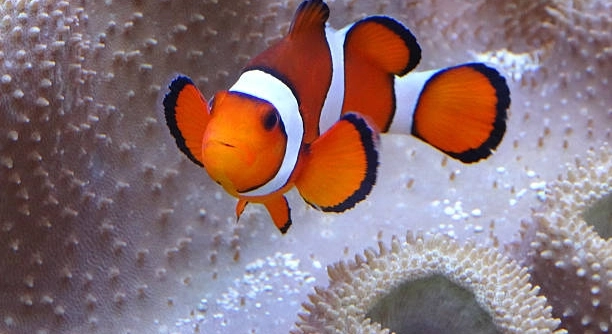
Clownfish are popular pets for many aquarium lovers. They need more than just clean water and food to stay healthy. Some of their needs are not very obvious but are very important for their well-being.
Clownfish require specific water conditions, proper tank mates, and environmental enrichment beyond basic care. Factors such as stable salinity, appropriate lighting, and safe hiding spots play critical roles in their health and stress levels. These subtle needs must be met to ensure their survival and comfort.
Knowing these lesser-known requirements can improve the care you provide. This article will help you understand what your clownfish truly need to thrive in your home aquarium.
Stable Water Parameters Are Essential
Maintaining stable water parameters is crucial for clownfish health. They are sensitive to sudden changes in temperature, pH, and salinity, which can stress them and make them prone to disease. The ideal temperature for clownfish is between 75 and 82 degrees Fahrenheit. pH should be kept around 8.1 to 8.4, and salinity levels should mimic their natural saltwater environment, around 1.020 to 1.026 specific gravity. Regularly testing these factors helps prevent harmful fluctuations. Sudden changes can cause illness or even death, so it’s important to monitor water closely and make adjustments gradually. Consistency is key to keeping clownfish comfortable and healthy over time.
Keeping your water steady means using reliable equipment like heaters, test kits, and salt mix designed for marine tanks. A good filtration system also supports water quality by removing waste and toxins that accumulate.
When your tank’s environment is stable, your clownfish can focus on feeding, breeding, and thriving instead of fighting off stress.
Safe and Compatible Tank Mates
Clownfish need tank mates that won’t threaten their safety or cause stress. Aggressive fish or those that compete heavily for space and food can harm clownfish or disrupt their behavior. Choose peaceful species that live well alongside clownfish, such as gobies or certain types of damselfish. Avoid large or territorial fish that may bully or intimidate them. Observing fish interactions regularly helps identify any problems early.
A well-chosen community helps clownfish feel secure and reduces stress-related issues like hiding or loss of appetite.
Providing Hiding Spaces and Enrichment
Clownfish naturally seek shelter in anemones or similar structures for protection and comfort. In home aquariums, providing artificial or live anemones, rock caves, or coral pieces can mimic this environment. These hiding places reduce stress and give clownfish areas to rest and escape perceived threats. Without proper shelter, clownfish may become anxious or exhibit abnormal behaviors.
Enrichment is not only about shelter but also about stimulation. Including varied decorations and changing the tank layout occasionally encourages natural behaviors like exploring and territoriality. Such activities keep clownfish mentally engaged, which is important for their well-being.
Regularly cleaning and maintaining these spaces also helps prevent harmful algae and bacteria buildup, keeping the environment safe and inviting.
When your clownfish have places to hide and explore, they appear more vibrant and active, showing signs of good health.
Proper Diet Variety
A varied diet supports clownfish health by providing essential nutrients. Relying solely on flakes or pellets can lead to deficiencies and dull coloration. Including frozen or live foods like brine shrimp and mysis shrimp helps meet their dietary needs.
Offering a mix of protein-rich foods and occasional vegetable matter improves digestion and boosts the immune system. Feeding small amounts multiple times daily mimics natural feeding habits and reduces waste buildup in the tank. Overfeeding should be avoided, as it can harm water quality and cause obesity. Rotating food types keeps clownfish interested and ensures they receive a balanced diet for long-term vitality.
Regularly observing how your clownfish respond to different foods helps identify preferences and any potential health issues early, making dietary adjustments easier and more effective.
Lighting and Day/Night Cycle
Clownfish thrive with a consistent light schedule that mimics natural day and night cycles. About 10-12 hours of light daily supports their activity and natural behaviors. Too much light or constant darkness can stress them, impacting their health. Proper lighting also benefits the tank’s ecosystem, promoting healthy algae and coral growth.
Using timers helps maintain a stable light cycle, reducing stress from sudden changes. Dimming lights gradually at the beginning and end of the day creates a natural transition, helping clownfish adjust. Different light spectrums can enhance their colors and overall appearance. Proper lighting also plays a role in regulating their breeding cycles, supporting natural reproduction in the tank. Monitoring your tank’s light intensity and duration ensures an environment that supports clownfish well-being and the health of other marine life.
Regular Tank Maintenance
Regular tank maintenance is essential for clownfish health. Removing waste and changing water prevents harmful toxins from building up. Neglecting these tasks can quickly affect water quality and stress your fish.
A weekly routine of partial water changes and gravel cleaning helps keep the environment stable. Using a siphon during water changes removes debris without disturbing beneficial bacteria too much.
Monitoring Fish Behavior
Observing your clownfish daily helps catch early signs of illness or stress. Changes in swimming patterns, appetite, or color may indicate problems. Prompt action can prevent worsening health issues and improve recovery chances.
Keeping a journal or notes on behavior can help track patterns and identify triggers that affect your clownfish.
Avoid Overcrowding
Overcrowding causes stress and competition for resources among clownfish. It can lead to aggression and poor water quality due to increased waste. Providing enough space ensures healthy social interactions and reduces stress.
A general rule is to allow at least 20 gallons of water per clownfish to maintain a balanced environment.
How often should I test the water parameters for my clownfish?
Testing water parameters should be done at least once a week to ensure stable conditions. Frequent testing helps catch any changes in pH, temperature, salinity, and ammonia levels early. If your tank is new or you notice any signs of stress in your clownfish, increase testing to twice a week. Consistent monitoring is key to preventing sudden fluctuations that can harm your fish.
What types of food are best for clownfish?
Clownfish benefit from a varied diet including high-quality pellets or flakes, frozen or live brine shrimp, mysis shrimp, and finely chopped seafood. Supplementing with some vegetable matter like spirulina can also help with digestion. Feeding small amounts two to three times daily mimics their natural feeding habits and keeps them healthy. Avoid overfeeding, as leftover food can pollute the water.
Can clownfish live without anemones in the tank?
Yes, clownfish can live without anemones if the tank provides plenty of hiding spots and enrichment. Artificial anemones, rock caves, and coral structures can offer shelter and security. Although anemones are part of their natural habitat, clownfish can adapt well to a well-maintained aquarium without them. Proper tank setup reduces stress and supports natural behaviors.
What is the ideal tank size for clownfish?
A minimum of 20 gallons is recommended for one or two clownfish. Larger tanks provide better water stability and more room for swimming and hiding. Overcrowding can cause aggression and stress, so space is important. If you plan to keep other fish or corals, increase the tank size accordingly to maintain a balanced environment.
How do I know if my clownfish is stressed?
Signs of stress include hiding constantly, loss of appetite, faded colors, erratic swimming, and increased aggression. Stress can be caused by poor water quality, inappropriate tank mates, or lack of hiding places. Observing behavior daily allows early detection. Addressing these causes quickly can improve your clownfish’s health.
Is it necessary to use a timer for aquarium lighting?
Using a timer is highly recommended to maintain a consistent day/night cycle. Clownfish benefit from about 10-12 hours of light daily, which supports their activity and natural rhythms. Timers prevent sudden changes and reduce stress, making the environment predictable and comfortable for the fish.
How often should I perform water changes?
Perform partial water changes of about 10-20% weekly or biweekly depending on tank size and bio-load. This removes waste and replenishes essential minerals. Regular changes keep water quality high and reduce harmful substances like nitrates. Use water treated to match tank parameters to avoid shock.
What are the common diseases affecting clownfish?
Clownfish are prone to diseases such as ich (white spot disease), bacterial infections, and marine velvet. These often arise from stress or poor water conditions. Early signs include spots, lethargy, or abnormal behavior. Quarantining new fish and maintaining good water quality help prevent illness.
Can clownfish breed in a home aquarium?
Yes, clownfish can breed in captivity if conditions are right. They need a stable environment, proper diet, and suitable hiding places for eggs. Males take care of the eggs until they hatch. Breeding requires patience and careful monitoring to protect the fry.
What should I do if my clownfish appears sick?
Isolate the fish in a quarantine tank to prevent spreading illness. Check water parameters and improve tank conditions. Use appropriate medication as recommended for the specific disease. Prompt treatment increases chances of recovery. Consulting a vet or experienced aquarist can also help with diagnosis and care.
Clownfish are fascinating and colorful fish that bring life to any marine aquarium. While they may seem easy to care for, they have specific needs that are not always obvious. Understanding these needs is important to keep them healthy and happy. Many people focus on basic care like feeding and water changes, but aspects such as stable water parameters, proper lighting, and safe tank mates also play a big role. Taking time to learn about these factors helps prevent common problems and improves the overall well-being of clownfish.
Providing a suitable environment for clownfish requires attention to detail. Regular monitoring of water temperature, pH, and salinity ensures the tank mimics their natural habitat as closely as possible. This reduces stress and helps the fish stay strong against illness. In addition to physical conditions, offering hiding spots and enrichment promotes natural behaviors, which contributes to their comfort and reduces anxiety. Proper diet variety is another key part of good care, as clownfish need different types of food to get all the nutrients they require. Overfeeding or underfeeding can cause health issues, so feeding small amounts multiple times a day is best.
Caring for clownfish involves consistent effort and observation. Watching for signs of stress or illness allows quick action, which can save lives. Overcrowding, poor water quality, and incompatible tank mates should be avoided to keep the aquarium peaceful and stable. Maintaining a proper lighting cycle helps support their natural rhythms and physical health. While clownfish can adapt to life without anemones, providing safe shelter in the tank is important. Overall, meeting these less obvious needs ensures clownfish live longer, look better, and behave naturally. With patience and care, they make rewarding pets that brighten up any home aquarium.

Hello,
If you enjoy the content that we create, please consider saying a "Thank You!" by leaving a tip.
Every little bit helps us continue crafting quality advice that supports the health, happiness, and well-being of pets around the world, for pets of all shapes, sizes, and species.
We really appreciate the kindness and support that you show us!