
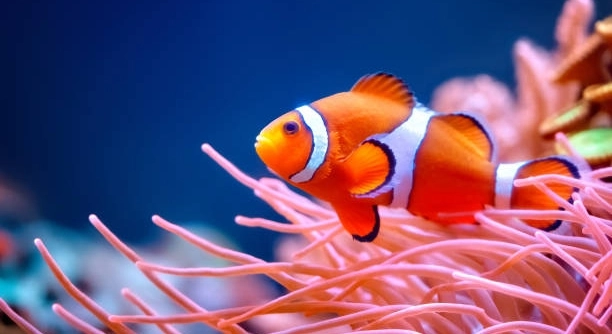
Keeping clownfish is popular among marine aquarium enthusiasts who enjoy vibrant colors and interesting behaviors. Many wonder if different clownfish species can live peacefully in the same tank without conflict or stress. Understanding their compatibility is key to a healthy aquatic environment.
Housing multiple clownfish species together is possible under specific conditions. Proper tank size, careful species selection, and established territories reduce aggression risks. However, some species remain territorial and may require separate accommodations to ensure welfare and minimize stress.
Knowing how to manage clownfish interactions helps create a balanced aquarium. This article covers essential tips to maintain harmony and promote the wellbeing of multiple clownfish species.
Understanding Clownfish Behavior and Territory
Clownfish are known for their strong territorial instincts, which influence how they interact with others in the tank. Each species has a natural hierarchy and specific preferences for territory size. When different clownfish species are housed together, conflicts may arise if their territories overlap or if space is limited. It is important to observe their behavior carefully during introductions to catch any signs of aggression early. Providing enough hiding spots and separate anemones or coral structures can help reduce competition. Additionally, some species are more aggressive by nature, while others tend to be more peaceful, so selecting compatible species is crucial. Tank size plays a significant role as well, since a larger environment allows each fish more space to establish its own area without constant confrontation. This balance between territory and species temperament will determine whether multiple clownfish can coexist without stress.
Proper observation during initial stages helps prevent long-term issues and promotes a peaceful aquarium environment.
Knowing each clownfish species’ natural behavior and territory needs is essential before combining them in one tank.
Choosing Compatible Clownfish Species
Compatibility depends on matching species that have similar temperaments and territorial needs. Some species, like the Ocellaris and Percula clownfish, tend to tolerate each other better due to their comparable behavior patterns. On the other hand, more aggressive species such as the Clarkii clownfish may dominate others, causing stress and injury. Researching the specific species’ characteristics and consulting reliable care guides will aid in making informed decisions. Introducing fish gradually and monitoring their interactions is also necessary to avoid sudden conflicts. Choosing fish of different sizes or sexes can influence social dynamics as well. It is best to avoid overcrowding and maintain a proper tank setup with adequate hiding spaces. Providing separate anemones or coral for each clownfish can reduce territorial disputes. Ultimately, careful planning and attention to species traits create a more harmonious environment for multiple clownfish.
Taking the time to select compatible species helps create a thriving and peaceful tank.
Tank Setup and Environment
A well-planned tank setup is vital for keeping multiple clownfish species together. Providing ample space and plenty of hiding spots helps reduce aggression and stress.
The tank size should be at least 30 gallons for two to three clownfish to allow enough room for territories. Decorations like live rock, coral, and anemones create natural barriers that help separate territories and offer safe retreats. Proper water quality and stable conditions also play a key role in their overall health. Each clownfish can claim its own area, which lowers chances of conflict.
Lighting and water flow should mimic their natural habitat, supporting both the fish and the host anemones if present. A thoughtful environment encourages natural behavior and lessens tension among species sharing the tank.
Feeding Multiple Clownfish Species
Feeding multiple clownfish species requires a balanced diet suitable for all species in the tank. Using a variety of foods like pellets, flakes, and frozen items ensures nutritional needs are met.
It’s important to feed small amounts multiple times daily to prevent food aggression and ensure all fish get enough. Different species might have slightly different preferences or feeding habits, so observing their behavior during feeding helps adjust portions and timing. Avoid overfeeding, which can degrade water quality and increase aggression. Offering food near different hiding spots or at separate locations can reduce competition. A consistent feeding routine supports the health and harmony of the group.
Monitoring Behavior and Health
Regularly watching your clownfish helps catch signs of stress or illness early. Pay attention to any unusual aggression or hiding.
Maintaining clean water and a stable environment supports their health. Promptly address any signs of disease to avoid spreading problems in a multi-species tank.
Introducing New Clownfish
Introducing new clownfish slowly and carefully reduces stress and aggression. Quarantine new arrivals for at least two weeks to ensure they are healthy before adding them to the main tank.
Preventing Aggression
Separate overly aggressive fish immediately to protect others. Rearranging tank decorations can also disrupt established territories and reduce fights.
Providing Proper Lighting
Appropriate lighting mimics natural conditions, supporting clownfish health and their host anemones. Too much or too little light can cause stress.
Can different clownfish species live together peacefully?
Different clownfish species can live together peacefully if their temperaments and territorial needs are compatible. Careful species selection and providing enough space reduce aggression. Some species are naturally more aggressive and may not do well with others, so monitoring behavior is essential to maintain harmony.
How large should the tank be for multiple clownfish species?
A tank of at least 30 gallons is recommended for two to three clownfish. Larger tanks provide more room for territories and help minimize conflicts. More space allows fish to establish separate areas and reduces stress from overcrowding.
What types of hiding spots should be included?
Hiding spots like live rock formations, coral structures, and anemones help clownfish claim territories and retreat when needed. These natural shelters reduce aggression by offering secure places for each fish, especially when different species share the tank.
Is it necessary to have anemones for clownfish?
While clownfish naturally associate with anemones, they can survive without them if the tank is well set up. Anemones provide shelter and territory but require special care. If you keep anemones, ensure lighting and water conditions meet their needs.
How often should I feed multiple clownfish?
Feeding small amounts two to three times a day works best to ensure all clownfish get enough food without overeating. Regular feeding helps avoid competition and aggression during mealtimes.
Can clownfish species compete for food?
Yes, competition for food can happen, especially in smaller tanks or if food is scarce. Distributing food in multiple locations helps prevent dominant fish from taking all the food, allowing all species to eat peacefully.
What are signs of aggression to watch for?
Signs include chasing, biting, and damaged fins. Aggression may increase during introductions or when space is limited. If aggressive behavior persists, separating the fish or rearranging the tank may be necessary.
How do I introduce new clownfish to an existing tank?
Quarantine new clownfish for at least two weeks before introduction to avoid spreading disease. Introduce them slowly, monitoring interactions closely. Adding new fish during feeding times can distract from aggression.
Can clownfish change their behavior over time?
Yes, clownfish behavior can change as they mature or adjust to their environment. Some may become more territorial, while others grow more tolerant. Keeping an eye on changes helps maintain a balanced tank.
What water conditions are best for multiple clownfish species?
Stable water parameters are crucial. Maintain temperature between 74-79°F, salinity at 1.020-1.025 specific gravity, and proper pH around 8.1-8.4. Regular water changes and filtration support fish health and reduce stress.
Do clownfish need companions of the same species?
Clownfish can live alone, in pairs, or groups depending on the species and tank size. Some species are more social, while others prefer pairs. Mixing species requires caution and attention to their social needs.
How to handle an aggressive clownfish?
If a clownfish is too aggressive, consider separating it or upgrading to a larger tank. Rearranging the environment may also help by breaking established territories and reducing fights.
Can clownfish breed in a community tank?
Clownfish may breed in a community tank if conditions are right, but eggs and fry may be at risk from other fish. Providing safe hiding places for young fish increases survival chances.
Are there specific clownfish species that should never be kept together?
Species with highly aggressive behavior, such as Clarkii clownfish, may not coexist well with peaceful species. Researching species traits before combining them prevents conflicts.
How do I maintain water quality in a tank with multiple clownfish?
Regular water testing, partial water changes, and efficient filtration are essential. Avoid overfeeding and overcrowding to maintain clean water and a healthy environment for all fish.
What should I do if a clownfish becomes sick?
Isolate the sick fish in a quarantine tank to prevent disease spread. Treat with appropriate medication and maintain excellent water quality. Early treatment improves recovery chances.
Can tank decorations affect clownfish behavior?
Yes, decorations influence territory boundaries and hiding opportunities. Rearranging decorations can help reduce aggression by disrupting established territories.
How important is lighting for clownfish and their environment?
Lighting supports fish health and any host anemones. Proper lighting mimics natural conditions and reduces stress. Too much or too little light may affect behavior and wellbeing.
What is the best way to monitor clownfish health?
Observe swimming patterns, appetite, color changes, and behavior daily. Early detection of any changes helps address problems before they worsen.
Is it normal for clownfish to display dominance?
Dominance behavior is natural, especially among males or during breeding. It can be managed with enough space and compatible tankmates to avoid harmful aggression.
How to keep multiple clownfish happy and stress-free?
Provide sufficient space, hiding spots, balanced feeding, and stable water conditions. Regular monitoring and adjusting tank setup as needed help maintain a peaceful environment.
Housing multiple clownfish species together requires careful planning and attention to their natural behaviors. These fish are territorial by nature, so providing enough space and hiding spots is essential. When each clownfish has its own area to claim, they are less likely to become aggressive toward each other. It is important to select species that have compatible temperaments and similar needs to reduce the risk of conflict. The tank environment should mimic their natural habitat as much as possible, with live rock, coral, and possibly anemones to create natural barriers and safe retreats. Maintaining stable water conditions is also critical to keeping all fish healthy and stress-free.
Feeding plays a major role in reducing tension among clownfish. Offering a balanced diet in small amounts several times a day helps make sure all fish get enough nutrition without competing aggressively over food. Distributing food in multiple locations within the tank can also lessen competition. Monitoring behavior closely during feeding times allows adjustments to be made if one fish is dominating others. New clownfish should always be introduced slowly and carefully, ideally after a quarantine period, to avoid disease and reduce stress. Watching for early signs of aggression or illness can help prevent bigger problems down the line.
With patience and proper care, multiple clownfish species can coexist peacefully in a single tank. Understanding each species’ traits and needs helps create a harmonious environment where the fish can thrive. A thoughtful approach to tank setup, feeding, and monitoring makes a big difference in their wellbeing. While some species may require separate accommodations due to their aggressive nature, many clownfish can live together happily if conditions are right. Keeping the tank clean, stable, and spacious will promote natural behavior and reduce stress for all fish involved.

Hello,
If you enjoy the content that we create, please consider saying a "Thank You!" by leaving a tip.
Every little bit helps us continue crafting quality advice that supports the health, happiness, and well-being of pets around the world, for pets of all shapes, sizes, and species.
We really appreciate the kindness and support that you show us!