
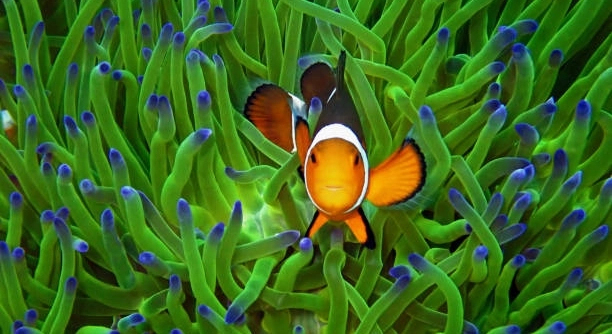
Clownfish are a popular choice for saltwater aquariums due to their bright colors and lively behavior. Many owners notice their clownfish chasing the output of the aquarium filter. This behavior often puzzles hobbyists trying to understand their fish better.
Clownfish chase the filter output because they are attracted to the water movement and the food particles carried by the current. This instinctive behavior simulates natural foraging, as they associate flowing water with potential feeding opportunities and environmental interaction.
Understanding why your clownfish acts this way can improve your care routine. It also helps create a more engaging and healthy environment for your aquatic pet.
Why Clownfish Are Attracted to Filter Output
Clownfish naturally live in coral reefs where currents bring food and oxygen. In an aquarium, the filter output creates a similar current, which draws their attention. This moving water carries tiny particles, mimicking the natural flow of nutrients. Your clownfish may be chasing the filter output because it’s instinctive for them to follow water movement where food might be found. This behavior also helps them stay active and engaged in their environment. Watching them swim against or around the filter output can be entertaining but also serves a purpose for their wellbeing. It encourages natural swimming patterns and provides mental stimulation, which is important for their health. Over time, they may learn to associate this flow with feeding times, making the filter output a focal point in their tank. Understanding this helps you appreciate their natural instincts and improve their care.
This behavior is common and harmless when observed in moderation.
Paying attention to your clownfish’s interaction with the filter output can help you maintain a balanced tank environment. Ensuring the current isn’t too strong will prevent stress or exhaustion. Adjusting the filter flow can make the aquarium more comfortable, keeping your fish healthy and calm.
How to Manage Filter Output for Your Clownfish
Too strong a filter output can tire your clownfish or cause them to avoid parts of the tank. It’s important to balance the water flow to suit their needs. A gentle current stimulates natural behavior without overwhelming them. Positioning the filter output at an angle or using a spray bar can soften the water movement. Regular tank maintenance ensures the filter runs efficiently and does not create unnecessary turbulence. Observing your fish helps you notice if they are struggling with the current. When the flow is right, your clownfish will swim confidently, chasing the output but also resting comfortably. This balance contributes to their overall health and happiness. Taking these steps helps create a stable and supportive environment that mimics their natural habitat as closely as possible. It also reduces stress and promotes longer life for your fish.
Benefits of Chasing the Filter Output
Chasing the filter output helps clownfish stay active and alert. It provides mental stimulation and encourages natural swimming behavior, which is important for their health in captivity.
The moving water from the filter simulates currents found in their natural reef habitats. This motion encourages the clownfish to exercise, improving their muscle tone and cardiovascular health. It also reduces boredom, which can lead to stress or aggressive behavior if left unchecked. Swimming against the current mimics how they would catch food or avoid predators in the wild, keeping their instincts sharp. By interacting with the filter output, they remain engaged with their environment, promoting overall wellbeing.
This activity also aids water circulation around the fish, which can help with oxygen intake. It keeps them active and reduces lethargy, ensuring they are in better condition to thrive in the aquarium.
Adjusting Tank Setup to Support Your Clownfish
Proper tank setup can influence how your clownfish interact with the filter output. Positioning decorations and plants to create natural barriers softens the water flow and provides resting spots.
Adding live rock or coral structures helps break up the current, giving your clownfish areas to hide or rest when they want a break from swimming. This creates a more natural and comfortable environment. Adjusting the filter output direction reduces stress and allows the fish to choose their level of interaction with the current. By balancing these elements, you encourage healthier, more natural behavior in your clownfish. The right setup supports their instincts while preventing fatigue and anxiety. Observing your fish’s behavior helps fine-tune the tank for their best comfort and happiness.
Potential Stress from Strong Currents
Strong filter output can overwhelm clownfish, causing stress or fatigue. Excessive water flow forces them to swim harder, which may lead to exhaustion and decreased activity.
Stress from strong currents can weaken their immune system, making them more vulnerable to disease. It’s important to monitor how your fish responds and adjust the flow accordingly to maintain their wellbeing.
Signs Your Clownfish Is Stressed by the Filter
If your clownfish hides often, stops eating, or shows erratic swimming, these may be signs of stress from the filter output. Constantly darting away from the current can also indicate discomfort.
Observing these behaviors early allows for quick adjustments to the tank setup. Reducing flow strength or repositioning the filter can help your fish regain comfort and health.
Using Equipment to Control Flow
Flow control devices like spray bars or adjustable nozzles help regulate water movement. They allow you to soften the current for a more natural environment.
These tools are useful for tailoring water flow to your clownfish’s needs, preventing stress and promoting healthier behavior. Using them can improve your aquarium’s overall balance.
FAQ
Why does my clownfish keep chasing the filter output?
Clownfish are naturally attracted to moving water because it reminds them of currents in their natural reef habitats. The filter output carries small particles and oxygen-rich water, which simulates a food source and encourages natural swimming behaviors. This chasing is instinctive and helps them stay active and alert in the aquarium.
Is it harmful for my clownfish to chase the filter output?
In most cases, chasing the filter output is not harmful. It provides mental and physical stimulation. However, if the water flow is too strong, it can tire the fish and cause stress. It’s important to observe your clownfish to make sure they are not struggling or avoiding parts of the tank.
How can I reduce the strength of the filter output?
There are several ways to reduce filter output strength. You can adjust the flow setting if your filter has one, or use accessories like spray bars or diffusers to spread and soften the water current. Repositioning the filter output to avoid direct force on the fish is another simple solution.
Why does my clownfish sometimes hide away from the filter output?
Hiding can indicate the current is too strong or the fish feels stressed. Clownfish need areas to rest and escape strong flows. Adding decorations or live rock near the filter output can create barriers that break up the water movement and provide safe spaces for your fish.
Can chasing the filter output mean my clownfish is hungry?
Yes, the chasing behavior can also be related to feeding instincts. The water flow carries tiny food particles or detritus, and the fish may follow it expecting food. Feeding at regular times and ensuring a balanced diet can reduce overly focused chasing caused by hunger.
What are the signs my clownfish is stressed from the tank environment?
Signs include hiding more than usual, erratic swimming, loss of appetite, or faded colors. Stress can result from poor water quality, strong currents, overcrowding, or lack of hiding spots. Monitoring these signs early helps you adjust the tank for better conditions.
Does filter output help oxygenate the tank?
Yes, the filter output promotes water circulation, which improves oxygen levels in the tank. Good oxygenation is essential for the health of clownfish and other aquatic life. The flowing water helps prevent stagnant zones and supports a healthy environment.
Should I turn off the filter at night to stop my clownfish from chasing the output?
It’s not recommended to turn off the filter at night, as this can reduce oxygen levels and harm water quality. Instead, focus on adjusting the flow strength or direction. Clownfish can rest near calmer areas in the tank even with the filter running.
How often should I clean the filter to maintain proper flow?
Regular filter maintenance is key to keeping the flow steady and healthy. Cleaning every 3 to 4 weeks is typical but depends on tank size and stocking levels. Avoid over-cleaning, which can disrupt beneficial bacteria. Proper maintenance ensures consistent water flow your clownfish can comfortably interact with.
Can other fish affect my clownfish’s behavior around the filter output?
Yes, tank mates can influence behavior. More active or aggressive fish may push the clownfish away from preferred spots near the filter. Stress from tank mates can increase hiding or frantic swimming. Creating enough space and providing multiple flow areas can reduce conflicts and help your clownfish feel secure.
Is it normal for clownfish to chase bubbles from the filter output?
Yes, some clownfish are attracted to bubbles created by the filter. The bubbles simulate natural water movement and can be a source of curiosity or play. This behavior is harmless as long as the bubbles don’t cause excessive stress or disrupt swimming patterns.
Can changing the filter type improve my clownfish’s comfort?
Switching to a filter with adjustable flow or one designed for gentle water movement can improve comfort. Sponge filters or canister filters with flow control options offer more customization. The goal is to create a current that encourages activity without overwhelming your fish.
What role does tank size play in how my clownfish interacts with the filter output?
In smaller tanks, the water flow is often stronger and more concentrated, which can stress clownfish. Larger tanks allow more space for the current to disperse naturally. Proper tank size combined with good filter placement helps balance water movement for your fish’s wellbeing.
How do I know if my clownfish is enjoying the current or stressed by it?
Enjoyment is shown by smooth swimming, exploring the tank, and occasionally chasing the filter output without signs of panic. Stress is evident through frantic darting, frequent hiding, or difficulty swimming. Careful observation over time helps distinguish comfort from distress.
Final Thoughts
Clownfish chasing the filter output is a natural behavior linked to their instincts and environment. The moving water created by the filter resembles the currents they experience in the wild, encouraging them to swim actively and search for food particles. This behavior is usually harmless and can even benefit their mental and physical health by providing stimulation. Understanding this helps aquarium owners appreciate their fish’s natural habits and create a better environment for them to thrive.
It is important to balance the filter output so it provides enough movement without causing stress. Strong currents can tire clownfish and make them avoid certain areas of the tank. Adjusting the flow by using spray bars, diffusers, or changing the filter’s position can help soften the current. Adding decorations or live rock also creates safe spaces where clownfish can rest away from the flow. Watching how your fish responds to these changes is key to maintaining their comfort and wellbeing. A comfortable clownfish is a healthy clownfish.
Proper tank maintenance, including regular filter cleaning and monitoring water quality, supports a stable environment. Keeping the water flow steady but gentle encourages natural behavior without overwhelming your fish. Clownfish benefit from an aquarium setup that mimics their natural reef habitat as closely as possible. Paying attention to their behavior and adjusting the tank accordingly ensures they stay active, healthy, and happy for the long term. Taking these steps creates a positive experience for both you and your clownfish.

Hello,
If you enjoy the content that we create, please consider saying a "Thank You!" by leaving a tip.
Every little bit helps us continue crafting quality advice that supports the health, happiness, and well-being of pets around the world, for pets of all shapes, sizes, and species.
We really appreciate the kindness and support that you show us!