
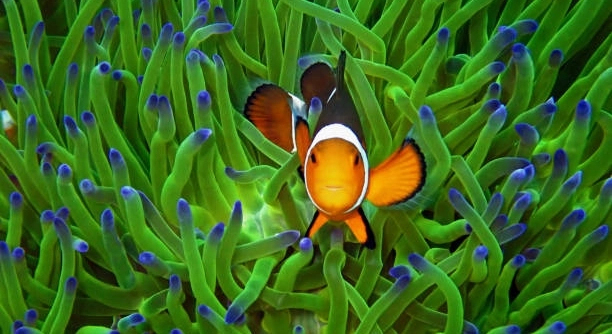
Is your clownfish acting strangely, spending most of its time hovering just above the sand without much movement or interaction?
Clownfish may hover over sand due to illness, stress, nesting behavior, or poor water conditions. Common causes include ammonia spikes, inadequate tank mates, or changes in environment, which can trigger unusual and concerning behavior patterns.
This behavior might seem minor, but it can signal deeper issues in the tank that require attention for your clownfish’s well-being.
Common Reasons Your Clownfish Is Hovering Over Sand
Clownfish hovering over sand often signals a response to their environment. Poor water quality is one of the most frequent reasons. Ammonia or nitrite spikes can irritate their gills and lower their energy, causing them to remain close to the substrate. Another possibility is stress from new tank mates, recent rearrangement of tank décor, or insufficient hiding spots. Illness such as parasites or bacterial infections can also make clownfish lethargic and uninterested in swimming. In some cases, female clownfish preparing to lay eggs may spend time hovering over a chosen area of sand. It’s also worth noting that clownfish sometimes hover out of habit or due to age. Observing the timing and context of this behavior can help you figure out what’s happening. Watch for other symptoms like labored breathing, loss of appetite, or color changes to gather more clues about your clownfish’s condition.
It’s important to look at the bigger picture—check your tank conditions and observe for signs of stress or illness.
If your clownfish’s behavior changes suddenly, test the water immediately. Use a reliable test kit to check for ammonia, nitrite, and nitrate levels. Make sure the temperature is stable, and salinity is within proper range. Even small changes can create discomfort for marine fish. If all parameters seem fine, consider how recent tank changes might be affecting your fish. A new addition to the tank, rearranged rocks, or overly bright lighting could make a clownfish feel insecure and prone to hovering in one spot. Watch for aggression from other fish, especially if your clownfish is smaller or newer to the tank. If hovering persists, try offering a small piece of food and see if the clownfish reacts—lack of appetite can indicate illness. In that case, quarantine might be necessary. Paying attention to these details helps you narrow down the reason and take steps to improve your clownfish’s comfort and health.
How to Help Your Clownfish Feel Better
Start with a full water test. High ammonia or nitrite levels can make any fish feel sick and weak. Fixing this might solve the issue.
If water quality checks out, take a closer look at your clownfish’s behavior and surroundings. Add more hiding spots using rocks or soft coral to help reduce stress. If tank mates seem too aggressive, use a divider or relocate the aggressive fish to another tank. You can also try slightly dimming the lighting if it seems too bright. A quiet, calm environment can help your clownfish recover. If illness seems likely, look for white spots, labored breathing, or strange movements. In that case, isolating the clownfish in a quarantine tank and starting appropriate treatment is a smart step. Avoid overfeeding during this time—offer small, high-quality meals and monitor how much your clownfish eats. Once you’ve addressed these factors, observe your clownfish over the next few days. If hovering stops, your adjustments were likely successful. If not, continue to assess and respond calmly.
Observing for Other Warning Signs
Look for signs like faded colors, clamped fins, unusual swimming patterns, or a refusal to eat. These behaviors often point to deeper problems that need quick attention, especially if they appear alongside hovering near the sand.
If your clownfish is hovering and showing physical signs of distress, act quickly. Discoloration can signal stress or illness, while clamped fins often indicate discomfort or pain. Erratic movements, rubbing against surfaces, or gasping near the surface may point to parasites or poor oxygen levels. If your clownfish isn’t eating, try offering a favorite food like thawed brine shrimp to gauge interest. Always test your water again during this time. Watch how other fish in the tank behave too. If more than one fish looks off, the issue is likely environmental rather than isolated. Taking note of even subtle changes can make a difference in identifying the cause early.
Keep a simple notebook or app log of your clownfish’s daily behavior and appearance. Include things like feeding responses, where it spends its time, and how it interacts with tank mates. Patterns often emerge over a few days that help confirm whether the behavior is a one-time concern or part of a larger problem. If you’re unsure whether a change is serious, compare photos from past weeks. Seeing gradual fading of color or shrinking fins over time can confirm what your eyes might miss day-to-day. Sharing this log with a fish-savvy vet or local aquarium store can also help when seeking advice. Having detailed notes makes it easier to get specific help tailored to your situation.
When to Quarantine Your Clownfish
If your clownfish seems sick and doesn’t improve after water changes or stress reduction, it may be time to set up a quarantine tank. This keeps the fish safe and helps prevent illness from spreading.
A quarantine tank gives you control over the clownfish’s environment and makes treatment easier. Use clean, cycled water and keep the setup simple—just a heater, filter, and some hiding spots. Match the temperature and salinity to your main tank. Observe your clownfish closely for changes in breathing, appetite, or swimming. Medications are easier to apply in a smaller space, and you can avoid exposing other fish to unnecessary treatments. Leave your clownfish in quarantine for at least a week, or longer if symptoms persist. Feed lightly but consistently. If it starts acting more normally—swimming, eating, and showing interest in its surroundings—those are signs it may be recovering. Keep monitoring until you’re confident it’s stable and healthy.
Nesting Behavior and Breeding Patterns
Sometimes clownfish hover over a specific patch of sand when preparing to lay eggs. The female may choose a quiet area and remain close to it while the male helps clean the spot.
This behavior is normal and not a sign of illness. It usually happens when the pair feels secure and conditions are just right.
Adjusting Tank Conditions for Comfort
Make small adjustments to improve comfort—stabilize water temperature, lower light intensity if it seems too harsh, and create hiding spots with soft rocks or artificial coral. Reducing loud noises near the tank can also help sensitive fish feel safer. Keep feeding consistent but avoid overfeeding. If your clownfish shares the tank with aggressive species, consider rearranging the layout or adding visual barriers. These changes can reduce tension and allow the clownfish to claim its own space. A peaceful environment goes a long way in keeping marine fish healthy, active, and free from stress-related behaviors like constant hovering over sand.
Keep Monitoring Progress Daily
Continue observing behavior, eating habits, and movement. Small improvements matter. Write them down so you can notice if anything shifts again.
FAQ
Why is my clownfish hovering over the sand all day?
Clownfish often hover over sand due to stress, illness, or environmental factors. Poor water quality, aggressive tank mates, or sudden changes in the tank can make them seek refuge near the substrate. Sometimes, hovering relates to natural behaviors like nesting or resting, but if the fish looks lethargic or shows other signs, it’s important to check water parameters and tank conditions.
Is hovering over sand a sign of sickness in clownfish?
It can be. When clownfish hover near the sand and seem inactive, it might indicate an illness such as bacterial infection, parasites, or poor water quality affecting their health. Look for other symptoms like faded colors, clamped fins, or loss of appetite. If you notice these signs, testing water quality and possibly quarantining the fish is recommended.
How do I test if my tank water is causing the problem?
Use an aquarium water test kit to measure ammonia, nitrite, nitrate, pH, temperature, and salinity. High ammonia or nitrite levels are toxic and cause stress, leading to abnormal behavior. Regular testing helps catch issues early before fish show severe symptoms. Adjust water through partial changes or using water conditioners if values are off.
Can stress from other fish cause my clownfish to hover over sand?
Yes. Aggressive or territorial tank mates can intimidate clownfish, causing them to hide or stay still near the sand. If your clownfish is bullied, it will avoid open swimming areas. Observing tank dynamics and, if needed, separating aggressive fish or rearranging the tank can help reduce stress and improve behavior.
Is hovering related to breeding or nesting?
Sometimes. Female clownfish preparing to lay eggs may hover over a chosen patch of sand or a flat surface. The pair often cleans the area and stays close to protect future eggs. This behavior is natural and not a cause for worry unless accompanied by signs of illness or distress.
What should I do if my clownfish stops eating?
Loss of appetite is a serious sign. Try offering favorite foods like live or frozen brine shrimp or mysis shrimp to encourage feeding. If your clownfish refuses food for more than a day or shows other symptoms, consider testing water and setting up a quarantine tank. Lack of eating can signal illness or stress that needs treatment.
How long should I quarantine a sick clownfish?
Quarantine for at least one week, but longer if symptoms persist. This period allows for close observation and treatment without risking other fish. Ensure stable water conditions and consistent feeding during quarantine. Recovery signs include improved swimming, brightening colors, and resuming normal eating habits.
Can poor lighting cause hovering behavior?
Bright or harsh lighting can stress clownfish and cause them to stay near the sand or hiding spots. Try dimming lights or providing shaded areas in the tank. Adjusting light levels to mimic natural conditions often helps fish feel safer and more comfortable.
Should I change tank decorations if my clownfish hovers over sand?
If recent rearrangements upset your clownfish, it may show stress by hovering near the sand. Adding hiding spots, rearranging decorations gently, or returning to the previous layout can ease stress. Avoid sudden or frequent changes to the tank environment to help maintain fish comfort.
Is it normal for older clownfish to hover more?
Older clownfish may be less active and spend more time near the bottom or sand. This behavior can be normal aging but still requires monitoring for other health signs. Maintaining good water quality and a peaceful environment supports older fish well-being.
How often should I test my aquarium water?
Test water weekly in established tanks, and more frequently if problems arise or after adding new fish. Keeping track of water parameters helps prevent issues that lead to unusual behaviors like hovering. Consistent maintenance and monitoring create a healthier home for your clownfish.
Can diet affect my clownfish’s behavior?
Yes. A balanced diet supports energy levels and health. Poor nutrition can cause lethargy and stress, leading to hovering or hiding. Provide varied, high-quality marine fish food and avoid overfeeding. Feeding small portions multiple times a day works best.
When should I seek professional help?
If your clownfish shows persistent signs of illness like loss of appetite, faded colors, labored breathing, or unusual behavior for several days despite your care, consult a vet specializing in fish or an experienced aquarium professional. Early diagnosis improves treatment success.
Clownfish hovering over sand can feel worrying, especially when it lasts all day. This behavior often points to something going on in the tank or with the fish itself. Sometimes, it’s a sign of stress caused by changes in the environment, such as new tank mates or rearranged decorations. Other times, poor water quality, including high ammonia or nitrite levels, can make clownfish uncomfortable and cause them to stay close to the bottom. Illness is also a possibility, with infections or parasites making the fish less active. It’s important to observe your clownfish carefully and look for other signs like changes in color, appetite, or breathing. These clues help identify whether the behavior is normal or needs attention.
Creating a comfortable and stable environment is key to helping your clownfish feel better. Regular water testing and maintenance keep conditions safe and healthy for your fish. Keeping the tank peaceful by avoiding aggressive species or providing plenty of hiding spots also reduces stress. Sometimes, clownfish hover over sand as part of their natural nesting behavior, which is not a cause for concern. However, if your fish looks sick or refuses to eat, setting up a quarantine tank and providing treatment can be necessary. Feeding a balanced diet and avoiding overfeeding helps keep your clownfish strong. Patience and close observation often lead to the best results when addressing this behavior.
It’s normal to feel unsure when your clownfish starts acting differently. Taking a methodical approach—testing water, checking tank mates, watching for illness, and making small adjustments—helps solve the problem. Keeping notes on your clownfish’s behavior can make it easier to spot changes and share information with professionals if needed. Ultimately, providing a calm, well-maintained environment and responding promptly to signs of trouble will support your clownfish’s health and happiness. Being attentive and consistent with care encourages your fish to return to its usual lively self.

Hello,
If you enjoy the content that we create, please consider saying a "Thank You!" by leaving a tip.
Every little bit helps us continue crafting quality advice that supports the health, happiness, and well-being of pets around the world, for pets of all shapes, sizes, and species.
We really appreciate the kindness and support that you show us!