
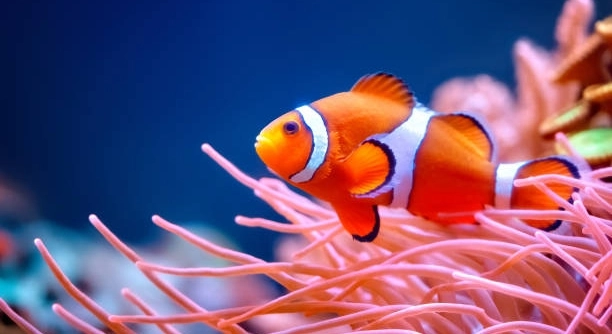
Clownfish are popular in home aquariums because of their bright colors and interesting behavior. Many fish owners enjoy watching how clownfish interact with their environment. Training these fish to eat from your hand can be an appealing idea for those who want closer interaction.
Training clownfish to eat from your hand is possible but requires patience and consistent effort. Clownfish can become accustomed to hand feeding over time if they recognize you as a source of food. However, this behavior depends on individual fish temperament and regular feeding routines.
Learning the best methods to encourage hand feeding can improve your experience with clownfish and deepen your bond with them. This article will guide you through practical steps and tips for successful training.
Understanding Clownfish Behavior
Clownfish are naturally cautious, but they can learn to trust their environment and their caretakers. They use their senses to recognize food sources and quickly associate feeding times with people who provide food. Because of this, feeding habits can be shaped with patience. It is important to start feeding your clownfish at regular times and in consistent locations, so they begin to expect food from you. Using a steady hand and calm movements helps reduce their fear. Over time, clownfish will come closer when you offer food, especially if the food is something they enjoy, like small pellets or flakes. Remember, not all clownfish react the same way; some might take longer to feel comfortable eating from a hand. Keeping the aquarium clean and maintaining proper water conditions also supports their health and responsiveness.
Clownfish rely heavily on routine and environmental cues to feel secure during feeding.
Patience and consistency in your approach will encourage clownfish to trust your hand as a food source. Small, gentle steps help them adjust without stress.
Tips for Training Your Clownfish to Eat from Your Hand
Start by placing food near your hand so the clownfish associate your presence with feeding. Hold your hand steady inside the tank, close enough for the fish to see the food but not so close that they feel threatened. Gradually, the clownfish will get used to your hand and may begin to eat directly from your palm. Using small amounts of food helps prevent overfeeding and keeps the fish interested. It’s also helpful to train during quieter times when there is less movement around the tank. Avoid sudden movements or loud noises, as these can scare the fish. Keep training sessions short, around 5-10 minutes, so the fish don’t lose interest or become stressed. Over several days or weeks, your clownfish can learn to take food gently from your hand.
Consistency is key when teaching clownfish to eat by hand.
Using calm, slow movements encourages fish to approach safely. Feeding at the same time daily builds trust and anticipation. Over time, your clownfish will recognize your hand as a reliable food source. This process requires patience but can make feeding more interactive. Avoid forcing the fish to eat from your hand; let them come at their own pace. Keeping the tank environment stable and stress-free supports learning. With gentle, repeated practice, many clownfish will become comfortable eating from your hand, enhancing your connection with them.
Common Challenges When Training Clownfish
Clownfish can be shy and may take time to trust a new feeder. Sudden movements or loud noises often cause them to hide. Overfeeding during training sessions can also lead to disinterest or health issues.
A common challenge is the clownfish’s initial fear of your hand. They might swim away or stay hidden for several days. This reaction is normal, and pushing them too fast can cause stress. Another issue is inconsistent feeding times, which can confuse the fish and slow progress. It’s important to maintain a calm environment around the tank during training. Ensuring the fish are hungry but not starving encourages participation without health risks.
Sometimes, other tank inhabitants can interfere with feeding, creating competition. Keeping training focused on one or two clownfish helps build trust more quickly. Patience and gentle persistence usually overcome most training challenges.
Feeding Techniques That Work Best
Hand feeding is more successful when the food is something clownfish enjoy and recognize. Small pellets or flakes designed for marine fish work well. Using the same type of food consistently helps the clownfish learn faster.
Offering food in small amounts prevents waste and keeps the fish interested. It’s helpful to let the food settle on your palm before placing it in the water. This slows the feeding process and encourages the clownfish to approach. Some trainers use tweezers to place food directly on their hand for better control. Feeding at the same time each day builds a routine the fish rely on. Avoid changing food types too often, as this may confuse the fish and reduce hand-feeding success. Keeping sessions brief and calm improves the chances of the clownfish eating from your hand.
How Long Does It Take to Train Clownfish?
Training clownfish to eat from your hand usually takes several weeks. Progress depends on the individual fish’s personality and how consistent the training is. Some fish learn faster, while others need more time to feel comfortable.
Regular, calm sessions of about 5-10 minutes daily speed up the process. Avoid rushing or forcing the fish to interact, as this can delay progress.
Safety Tips for Hand Feeding
Always wash your hands before placing them in the tank to avoid contaminating the water. Use gentle, slow movements to avoid startling the fish. Stop if the fish show signs of stress.
Benefits of Hand Feeding Clownfish
Hand feeding creates a closer connection with your fish and can make feeding time more enjoyable. It helps monitor the fish’s health since you see their eating habits up close. Feeding by hand also encourages trust between you and the fish.
When to Stop Training
If the clownfish shows signs of stress or refuses to eat, it may be best to pause training. Forcing them can harm their health and reduce trust.
FAQ
Can all clownfish be trained to eat from my hand?
Not all clownfish will learn to eat from your hand. Some are naturally shy or more cautious. Their willingness depends on personality and how often you interact with them. Consistency and patience improve chances, but individual differences mean some fish may never fully trust hand feeding.
Is hand feeding safe for clownfish?
Yes, hand feeding is safe when done carefully. Always wash your hands before putting them in the tank to avoid introducing harmful substances. Use slow, gentle movements to avoid stressing the fish. Stop if the fish show signs of fear or discomfort.
What food is best for hand feeding clownfish?
Small pellets or flakes made for marine fish work best. These foods are easy for clownfish to eat and recognize. Avoid large or hard foods, which can discourage them from approaching your hand. Keeping food consistent helps the fish learn faster.
How often should I train my clownfish to eat from my hand?
Daily sessions of 5-10 minutes work well. Feeding at the same time every day builds routine. Short, frequent sessions keep the fish interested without overwhelming them. Avoid long or rushed sessions to prevent stress.
Can hand feeding clownfish improve their health?
Hand feeding can help monitor health by allowing you to watch their eating habits closely. It also encourages activity and reduces stress when the fish get used to human presence. However, it should not replace a balanced feeding schedule.
What if my clownfish won’t eat from my hand?
If your fish won’t eat from your hand, don’t force it. Try placing food near your hand or on a feeding stick first. Be patient and keep sessions calm and quiet. Some fish simply take longer or prefer traditional feeding methods.
Will hand feeding make my clownfish tame?
Hand feeding can increase trust but won’t make clownfish tame like pets that live on land. They may become comfortable with your presence and feeding routine but will still have natural instincts. Respect their boundaries and avoid stressing them.
Can other fish in the tank affect hand feeding training?
Yes, other fish can compete for food and scare clownfish away. Training clownfish separately or during quiet tank times helps. Reducing distractions improves focus and builds trust between you and your clownfish during feeding.
How do I know if my clownfish is stressed by hand feeding?
Signs of stress include hiding, rapid swimming away from your hand, or refusing food. If you notice these behaviors, pause training and try again later. Stress can harm their health, so it’s important to keep the experience positive and gentle.
Is it better to use my hand or feeding tools?
Both can work well. Some people prefer feeding tools like tweezers to place food gently on their hand. This helps control food placement and reduces sudden movements. Use whichever method feels most comfortable and calming for your fish.
Training clownfish to eat from your hand can be a rewarding experience, but it requires patience and consistency. Not every fish will respond the same way, so it is important to be gentle and understanding throughout the process. Clownfish need time to get used to your presence and the idea of taking food directly from your hand. This means moving slowly, feeding regularly, and keeping the environment calm. When you respect their pace, you can create a positive experience for both you and the fish.
Regular feeding routines are key to building trust with clownfish. Feeding at the same time each day and using small amounts of food helps the fish recognize you as a reliable source. It is best to use food that they already enjoy, like pellets or flakes, to encourage them to come closer. Overfeeding should be avoided, as it can cause health problems and reduce their interest in hand feeding. When the fish start eating from your hand, it shows they have grown comfortable with you, but it’s still important to maintain good tank conditions to keep them healthy.
While hand feeding clownfish can improve your connection with them, it is not always easy or fast. Some fish will take weeks or even months to feel comfortable enough to eat from your hand. Others might never fully warm up to it, and that’s okay. The goal is to create a stress-free experience that benefits your fish’s well-being. Remember to watch for signs of stress and stop if the fish seem uncomfortable. Overall, with patience, calmness, and care, hand feeding can become a special part of caring for your clownfish.

Hello,
If you enjoy the content that we create, please consider saying a "Thank You!" by leaving a tip.
Every little bit helps us continue crafting quality advice that supports the health, happiness, and well-being of pets around the world, for pets of all shapes, sizes, and species.
We really appreciate the kindness and support that you show us!