
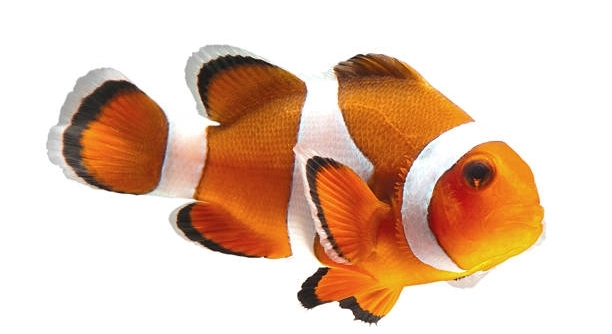
Clownfish are popular pets in community tanks because of their bright colors and lively behavior. Many aquarists enjoy watching them interact with other fish and corals. Understanding how clownfish feel in these environments helps improve their care.
Clownfish do have social behaviors but likely do not experience loneliness as humans do. In community tanks, they establish territories and hierarchies, which satisfy their social needs. Proper tank conditions and companions reduce stress and promote healthy interactions.
Knowing how clownfish behave socially can help you create a better home for them in your tank. This information is important for keeping them happy and thriving alongside other species.
Understanding Clownfish Social Behavior
Clownfish live in groups with a clear social order, usually led by a dominant female. They are naturally territorial and form close bonds with their host anemones. In a community tank, this behavior helps them feel secure. When kept with other fish, clownfish communicate through body language and colors, which helps reduce conflicts. They don’t seek constant companionship but prefer familiar tank mates and a stable environment. If their territory is disturbed, they may show signs of stress like hiding or aggression. Giving them enough space and a suitable environment supports their natural behavior. Observing these small signs can help you understand their needs better and adjust the tank accordingly. Their ability to adapt depends a lot on how well the tank is set up, including the size, decorations, and the other species present.
Clownfish social behavior is shaped by their need for safety and territory, not by loneliness in human terms.
Keeping clownfish happy means respecting their space and natural social structure. Avoid overcrowding the tank, and provide anemones or similar shelters. Watch how they interact with other fish; some species might provoke stress. Over time, you’ll notice their personalities and preferred companions. This balance helps maintain a peaceful tank and supports healthy clownfish behavior. Your role is to maintain stable water conditions and monitor tank dynamics regularly. When clownfish feel secure, their colors brighten and their movements become lively, making the tank more enjoyable for everyone.
Signs of Stress and Loneliness in Clownfish
Clownfish may show stress through changes in behavior or appearance.
Stress in clownfish can result from poor water quality, aggressive tank mates, or lack of hiding places. Signs include loss of color, lethargy, or excessive hiding. Unlike loneliness, these symptoms relate more to their environment than social needs. Keeping the tank clean and balanced reduces stress. Providing proper companions and avoiding overcrowding also helps. If a clownfish seems withdrawn or aggressive, it might be reacting to its surroundings rather than feeling lonely. Regular observation and timely adjustments to the tank setup can prevent these issues and promote healthier fish.
Addressing environmental factors is key to preventing clownfish stress and ensuring their well-being in community tanks. Proper care creates a stable and comfortable habitat that supports their natural behavior.
Creating a Comfortable Environment for Clownfish
Clownfish thrive best in tanks that mimic their natural habitat. Providing plenty of hiding spots and a stable environment is essential. Anemones or similar structures offer security and reduce stress.
Tank size matters because clownfish need space to establish territories. A minimum of 30 gallons is usually recommended for a small group. Regular maintenance of water quality is crucial to keep them healthy. Lighting should be moderate, mimicking natural daylight cycles, to support their well-being and the health of their host anemones. Proper filtration helps maintain clear and clean water, which reduces stress and illness.
Including peaceful tank mates encourages positive interactions. Avoid aggressive species that may bully or intimidate clownfish. Balanced feeding with high-quality food keeps them energetic and vibrant. By carefully setting up the tank environment, you can support clownfish in showing natural behaviors and feeling secure. This approach reduces potential stress and helps maintain a lively and harmonious aquarium community.
Choosing Tank Mates for Clownfish
Peaceful species that won’t compete for territory work best with clownfish.
Compatible tank mates include gobies, blennies, and certain types of damselfish. Avoid larger, aggressive fish that may stress clownfish or disrupt their social hierarchy. Snails and shrimp can also coexist peacefully and help keep the tank clean. Introducing new fish slowly allows everyone to adjust and reduces the chance of conflict. Monitoring interactions early on helps prevent long-term problems.
Choosing the right companions creates a balanced environment where clownfish feel safe. Stress caused by aggressive neighbors can lead to illness or erratic behavior. Properly selected tank mates encourage natural clownfish behaviors like territory defense and social bonding. This harmony enhances the overall health and appearance of the aquarium, making it a more enjoyable and stable habitat for all species involved.
Feeding Clownfish in Community Tanks
Clownfish need a varied diet to stay healthy. Offer a mix of pellets, flakes, and frozen foods like brine shrimp or mysis.
Feeding small amounts two to three times daily prevents overfeeding and water pollution. This routine keeps them active and vibrant without stressing the tank ecosystem.
Monitoring Clownfish Behavior
Regularly observing clownfish helps catch early signs of stress or illness. Look for changes in color, appetite, and interaction with tank mates.
If a clownfish becomes withdrawn or aggressive, it might need more space or better water quality. Early intervention improves their health and prevents long-term problems.
Adjusting Tank Conditions When Needed
Water parameters such as temperature, pH, and salinity must stay stable for clownfish comfort. Sudden changes can stress them out.
Maintaining proper tank conditions supports clownfish immune systems and overall well-being, reducing the risk of disease and behavioral issues.
FAQ
Can clownfish really get lonely in community tanks?
Clownfish do show social behaviors but don’t experience loneliness like humans. Their natural instincts focus more on territory and hierarchy than constant companionship. When kept in a well-maintained community tank with appropriate tank mates and hiding places, they generally don’t suffer from loneliness. Stress in clownfish is usually caused by poor water quality, aggressive neighbors, or lack of shelter, not social isolation.
How many clownfish can I keep together in one tank?
The number depends on your tank size and setup. A 30-gallon tank can usually support two to three clownfish comfortably. They form a social hierarchy with one dominant female, so overcrowding can lead to aggression and stress. Always provide enough space and hiding spots to reduce conflicts. Larger tanks can support bigger groups but still require careful planning of territory and companions.
What are signs that a clownfish is stressed or unhappy?
Common signs include faded colors, hiding for long periods, loss of appetite, and unusual aggression or lethargy. Stress can weaken their immune system, making them prone to illness. Regularly checking water parameters and watching their behavior helps identify problems early. Stress usually relates to environmental issues, like poor water quality or bullying by other fish.
Do clownfish need anemones to be happy in a tank?
While clownfish naturally live with anemones in the wild, they can survive and behave normally without them in captivity. Anemones provide shelter and security, which can reduce stress, but they require specific care and conditions. Many hobbyists successfully keep clownfish with other types of coral or artificial hiding spots that serve the same purpose.
Can clownfish live peacefully with other fish species?
Yes, clownfish can coexist with many peaceful species like gobies, blennies, and some damselfish. It’s important to avoid aggressive or territorial species that might stress clownfish. Introduce new tank mates slowly and watch their interactions closely at first. Peaceful companions help maintain a calm environment and promote healthy clownfish behavior.
How often should I feed my clownfish?
Feeding small amounts two to three times daily works best. Clownfish benefit from a varied diet including pellets, flakes, and frozen foods like brine shrimp or mysis. Overfeeding can pollute the tank and harm water quality, so only offer what they can eat within a few minutes. Proper nutrition keeps them active and colorful.
What water conditions are best for clownfish?
Clownfish thrive in stable conditions with temperatures between 74-79°F (23-26°C), a pH of 8.0-8.4, and salinity around 1.020-1.025 specific gravity. Sudden changes in temperature, pH, or salinity can cause stress. Regular water testing and maintenance help maintain these levels and support their health.
Can clownfish recognize their owners or other fish?
Clownfish show some recognition of their environment and tank mates through behavior and response to movement, but it’s not the same as bonding with humans. They might become accustomed to your presence and feeding routine but don’t form emotional attachments like pets such as dogs or cats.
What should I do if my clownfish becomes aggressive?
Aggression usually comes from territorial disputes or stress. Check if the tank is overcrowded or if tank mates are provoking the clownfish. Adding more hiding spaces or separating aggressive fish may help. Maintaining good water quality and feeding routines reduces stress-related aggression. If problems persist, consider consulting with an experienced aquarist.
How can I improve my clownfish’s environment to reduce stress?
Provide ample hiding places with live rock, corals, or artificial shelters. Maintain stable water conditions and avoid overcrowding. Choose peaceful tank mates and keep a regular feeding schedule. Observing behavior regularly allows you to spot stress early and make needed changes. A calm, clean, and well-structured tank supports clownfish health and happiness.
Clownfish are fascinating creatures with interesting social behaviors that make them popular in community tanks. While they don’t experience loneliness like humans, they do need a comfortable and stable environment to thrive. Their social structure relies on territory and hierarchy rather than constant companionship. This means they can live happily with other fish, as long as their space and basic needs are respected. Watching clownfish interact in a peaceful tank can be enjoyable and rewarding, especially when they display natural behaviors like defending their territory or bonding with their host anemones or hiding spots.
Providing the right tank conditions is essential for clownfish health and well-being. This includes maintaining good water quality, offering enough space, and selecting peaceful tank mates. Overcrowding or mixing aggressive species can cause stress and lead to health problems. Clownfish also benefit from a varied diet and proper feeding schedules. Hiding places and a stable environment help reduce stress and encourage natural behavior. Paying attention to their signs of discomfort, such as hiding excessively or losing color, allows timely adjustments to the tank. Regular monitoring and care create a positive space where clownfish can feel secure and active.
In summary, clownfish do not suffer from loneliness in the way people think about it, but they do require thoughtful care to keep them comfortable and healthy. Understanding their natural behavior and social needs helps create a harmonious community tank where they can thrive. By focusing on water quality, tank mates, diet, and shelter, you provide the best possible environment for these colorful fish. Taking the time to observe and respond to their needs makes keeping clownfish a satisfying experience that benefits both the fish and the hobbyist.

Hello,
If you enjoy the content that we create, please consider saying a "Thank You!" by leaving a tip.
Every little bit helps us continue crafting quality advice that supports the health, happiness, and well-being of pets around the world, for pets of all shapes, sizes, and species.
We really appreciate the kindness and support that you show us!