
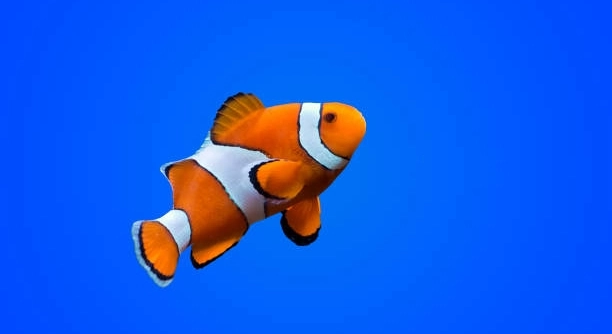
Are your clownfish acting a little different lately, making you think it might be time to introduce a new tankmate?
Clownfish often show signs like reduced aggression, increased curiosity, stable health, and territorial calmness when they are ready for a new tankmate. These behaviors indicate a balanced environment, suggesting the introduction of another fish may now be less stressful.
Learning these signs helps ensure a smooth transition, supports healthy interactions, and keeps your tank a peaceful place for all its aquatic residents.
Sign 1: Reduced Aggression Toward Other Fish
When clownfish are no longer displaying aggressive behaviors like charging, biting, or chasing other tankmates, it can be a strong indicator that they are ready for a new companion. Aggression is a natural response when clownfish feel their space is threatened. But once they feel safe and no longer see others as a risk, they often become more tolerant. This change usually happens when they’ve had consistent care, a properly balanced tank, and minimal stress. You might also notice them spending more time swimming peacefully or even ignoring other fish completely. These are all signs that their instincts are relaxing. It’s important to remember that even small shifts in their behavior matter. Aggression is one of the clearest signs of discomfort, so its absence should be taken seriously. Reduced aggression doesn’t mean they’ll welcome any fish, but it signals that the environment may finally be suitable for adding a new tankmate.
This behavioral shift often means your clownfish feel secure and less territorial, which helps make future introductions smoother.
Keep watching them closely—if the peace remains steady over time, it’s a reliable sign they may be ready for change.
Sign 2: Increased Curiosity and Exploration
Your clownfish may start exploring more of the tank than usual.
This curiosity suggests they feel comfortable and confident in their surroundings. Instead of hiding near their anemone or in one area of the tank, they venture into open spaces. This behavior shows they no longer feel the need to guard their territory constantly. It’s a subtle but important shift in how they interact with their environment. The more your clownfish explores, the more adaptable they become. That adaptability is helpful when a new tankmate enters the scene. It means they’re open to change and less likely to respond with stress. A curious clownfish may swim near your filter, inspect decor, or hover in areas they once avoided. These small actions often signal mental stimulation and reduced anxiety. It’s not about being active all day but showing interest in their home. A calm, inquisitive fish is often better prepared to meet a new tankmate calmly.
Sign 3: Calm Behavior Around Feeding Time
When clownfish no longer act aggressively or frantic during feeding, it shows they feel secure. They eat without rushing, nipping at others, or guarding food areas. This steady behavior signals reduced stress and balanced tank conditions.
Feeding time is often when clownfish show territorial behavior. If yours are eating calmly, it’s a strong indicator that they’re no longer competing for resources. They swim to food without chasing others away or dominating the space. This means they’re adjusting well to their current tankmates and space. A calm feeder is usually a balanced fish. If this behavior is consistent, it suggests they might welcome a new addition. Pay attention to how they behave both before and after eating. Are they calm, swimming normally, and returning to their space without issue? If so, your clownfish may be showing that they’re comfortable enough for a change in their environment.
A stable tank during feeding time can help reduce tension when new fish are introduced. Consistent calmness makes future introductions less risky. Observing this habit over several days can help you decide if your clownfish are ready. It’s not just about eating—it’s how they respond to other fish during that moment. Watch their movements closely. Even small signs of calm matter.
Sign 4: Healthy Physical Appearance
A clownfish in good health will have vibrant coloring, no signs of fin damage, and smooth, steady swimming. These physical signs often reflect the quality of the tank environment and the fish’s overall well-being.
Healthy clownfish are more capable of adapting to changes, including the arrival of new tankmates. When their immune systems are strong, they handle stress better and are less likely to fall ill during new introductions. Watch for consistent appetite, active swimming without frantic bursts, and clean fins. If your clownfish have maintained these signs over several weeks, it’s a good indication they’re physically prepared. Also look for clear eyes, full body shape, and a lack of erratic swimming. These are all signs your tank conditions support their health. A healthy fish is more resilient and more likely to coexist peacefully. Always check water parameters too, since poor water quality can trigger hidden stress signs.
Sign 5: Comfortable Use of the Entire Tank
When clownfish feel secure, they begin to use all areas of the tank instead of staying close to one spot. This behavior shows they no longer feel the need to defend territory and feel safe exploring.
Spending time in open water or near the surface also shows confidence. It means they feel less threatened and more at ease in their space, which is helpful when adding new tankmates.
Sign 6: Stable Interaction With Existing Tankmates
If your clownfish already live with other species and behave calmly around them, it’s a good sign they’ve adjusted well to shared space. This includes swimming near others without sudden bursts of aggression, ignoring non-threatening tankmates, and showing no signs of dominance. These behaviors reflect a peaceful dynamic. It suggests that the current tank conditions are supportive and your clownfish no longer feel the need to defend their position. Clownfish that can interact without guarding space or attacking are more likely to accept new additions. Consistent peaceful behavior toward current tankmates often carries over when introducing another compatible species.
Sign 7: Absence of Stress Signs
If your clownfish show no signs of stress—like rapid breathing, darting, or hiding—it usually means they feel safe. A stress-free environment supports successful tankmate introductions.
FAQ
How do I know if my clownfish will get along with a new tankmate?
Look for signs like calm behavior, reduced aggression, and healthy interaction with current tankmates. Your clownfish should be comfortable exploring the tank without chasing or attacking others. If they are curious but not territorial, it’s a good sign they may accept a new companion. Always observe how they respond to different species in your tank before introducing a new fish.
What species make good tankmates for clownfish?
Suitable tankmates include peaceful fish that don’t compete aggressively for territory or food. Common choices are gobies, blennies, and certain types of damselfish. Avoid large, aggressive species or fish known to nip fins, as these can stress clownfish and cause conflicts. Research compatibility based on temperament and tank size to ensure a balanced community.
How long should I wait before adding a new tankmate?
Wait at least several weeks after noticing signs of readiness. This allows your clownfish to settle into a stable routine and reduces stress risks. Monitor their behavior closely during this period. If aggression returns or stress signs appear, delay the introduction and reassess tank conditions. Patience is key for success.
What precautions should I take during the introduction?
Introduce new tankmates slowly and carefully. Use a quarantine tank first to check for illness. When moving the fish, try to minimize stress by acclimating them to the tank water gradually. Observe interactions closely for the first few days, and be ready to separate the fish if aggression occurs.
Can a clownfish’s behavior change after adding a new tankmate?
Yes, it’s common for clownfish to become more territorial or stressed initially. This usually calms down once they adjust. However, if aggressive behavior persists or your clownfish show stress signs, it may indicate incompatibility. Watch closely and be prepared to intervene if necessary.
How important is tank size in adding a new tankmate?
Tank size matters a lot. A larger tank provides enough space for fish to establish territories without constant conflict. Crowded tanks increase stress and aggression. Ensure your aquarium size can comfortably support all species, considering their adult size and swimming needs.
What water conditions support peaceful clownfish behavior?
Stable water parameters are essential. Keep temperature, pH, salinity, and ammonia levels within recommended ranges for clownfish. Frequent testing and proper filtration reduce stress. Healthy water conditions help maintain the fish’s immune system and reduce aggression, making new introductions safer.
Is it necessary to rearrange the tank before adding a new fish?
Rearranging decorations can reduce territorial behavior by disrupting established boundaries. It encourages clownfish to explore and reset their space. However, avoid drastic changes that might stress the fish. Small adjustments like moving rocks or coral can help ease the transition.
How can I tell if a new tankmate is causing stress to my clownfish?
Signs include hiding, rapid breathing, loss of appetite, and aggressive chasing. Changes in swimming patterns or faded color may also occur. If you notice these behaviors, consider separating the fish or improving hiding spots to reduce stress.
Are there signs that a clownfish is not ready for a new tankmate?
Yes. Continued aggression, hiding, frantic swimming, and refusal to eat are clear signs of discomfort. If your clownfish show these behaviors, wait longer and improve tank conditions before trying again. Rushing the process can harm both fish and disrupt tank harmony.
How can I make the introduction less stressful for all fish?
Keep lighting dim during introductions and provide plenty of hiding places. Avoid feeding during the first few hours to prevent competition. Use a slow acclimation process for the new fish. Patience and observation reduce stress and increase chances of success.
What should I do if the clownfish rejects the new tankmate?
If aggression or stress continues beyond a few days, consider removing the new fish. It’s better to prioritize the health and safety of all inhabitants. Try introducing a different species or wait longer before attempting again. Not all fish will accept every tankmate.
Can tankmates improve the well-being of clownfish?
Yes. Compatible tankmates can enrich the environment, reduce boredom, and encourage natural behaviors. A peaceful community promotes healthier, less stressed clownfish. Proper species selection and tank management are essential for this benefit.
How often should I monitor interactions after adding a new tankmate?
Check daily during the first two weeks, noting any changes in behavior or signs of stress. Frequent monitoring helps catch problems early and allows quick action if needed. After this period, less frequent checks are acceptable if everything remains calm.
Are there special considerations for breeding clownfish with new tankmates?
Breeding pairs can be more territorial and protective. Avoid adding new fish during breeding cycles to reduce stress and aggression. Provide plenty of hiding spaces and observe closely if adding tankmates later. The focus should be on minimizing disturbances to the breeding pair.
What role does diet play when introducing a new tankmate?
Feeding a balanced diet supports fish health and reduces competition. Make sure all fish receive enough food without overcrowding feeding spots. Good nutrition helps maintain calm behavior and resilience during changes in the tank.
Knowing when clownfish are ready for a new tankmate is important for maintaining a peaceful aquarium. Clownfish show clear signs when they feel comfortable and safe, such as reduced aggression, calm feeding behavior, and healthy physical appearance. Watching these behaviors closely helps you decide the right time to add another fish. Introducing a new tankmate too early can cause stress, fighting, or even injury. Waiting until your clownfish show signs of readiness ensures a smoother transition and a healthier environment for all the fish.
It is also important to prepare the tank properly before introducing a new fish. Make sure the water quality is stable and the tank is large enough to support more than one species. Rearranging decorations can help reduce territorial behavior by disrupting established boundaries. Providing hiding places allows both the clownfish and new tankmate to have space when needed. Acclimating new fish slowly reduces shock and stress, increasing the chance they will settle in peacefully. Careful monitoring after the introduction allows you to act quickly if problems arise, protecting the well-being of all aquatic inhabitants.
Patience and observation are key when adding a new tankmate to a clownfish aquarium. Every fish and tank environment is different, so what works for one may not work for another. Taking time to understand your clownfish’s behavior and the signs they give can prevent unnecessary stress and conflicts. A calm, healthy clownfish is more likely to accept a new companion, leading to a more balanced and enjoyable tank. Keeping conditions stable and providing the right space will help create a harmonious home where all fish can thrive together.

Hello,
If you enjoy the content that we create, please consider saying a "Thank You!" by leaving a tip.
Every little bit helps us continue crafting quality advice that supports the health, happiness, and well-being of pets around the world, for pets of all shapes, sizes, and species.
We really appreciate the kindness and support that you show us!