
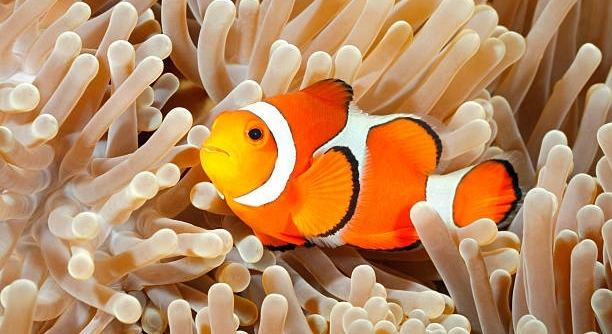
Clownfish are colorful fish known for living among sea anemones. They have unique behaviors, especially when it comes to how they react to their surroundings. One curious behavior is how they often ignore their own reflection in the water.
Clownfish tend to ignore their reflection because they do not recognize it as another fish or threat. Their brains interpret reflections as non-living images, so they do not respond aggressively or socially to them. This behavior helps them focus on real environmental cues.
Understanding why clownfish behave this way reveals more about their interaction with their habitat and other marine creatures. This knowledge can improve how we observe and care for them in aquariums and the wild.
Reflection Does Not Trigger Territorial Behavior
Clownfish are known to be territorial, often protecting their sea anemone homes aggressively. However, when they see their reflection, they usually do not react as if another fish is invading their space. This is because the reflection lacks the natural cues that signal a rival, such as movement patterns or scent. The clownfish’s brain quickly identifies the reflection as a non-threat, allowing it to conserve energy and avoid unnecessary conflict. This selective recognition helps clownfish focus on real threats in their environment, which is essential for their survival. Their ability to ignore reflections also reduces stress, since they are not constantly fighting with what they perceive as an intruder. This behavior is common among many fish species but is particularly notable in clownfish because of their strong territorial instincts and close relationship with their anemones.
Reflection avoidance helps clownfish maintain their energy and reduces stress in their natural environment.
Understanding this behavior is important for those keeping clownfish in aquariums. Tank reflections can sometimes cause confusion or stress for fish that do not recognize their reflection as harmless. Adjusting tank lighting or adding background elements can help minimize these reflections. This knowledge also aids researchers in interpreting clownfish interactions and stress responses. Knowing that clownfish do not see reflections as rivals allows for better observation of their true social behavior and helps avoid misinterpreting their reactions during studies or in captivity.
Lack of Social Recognition in Reflections
Clownfish rely heavily on social cues to interact with other fish. These cues include body language, movement, and scent signals, which reflections do not provide. Because a reflection is simply a mirrored image without scent or independent motion, clownfish cannot recognize it as another individual. This lack of social recognition means the reflection is ignored rather than approached or challenged. Social recognition is essential for clownfish to establish hierarchy and cooperation within their groups. Without it, the reflection holds no value or threat in their daily interactions. This selective response is a survival strategy that allows them to focus on real fish and their environment.
The inability to recognize reflections socially keeps clownfish focused on actual interactions with other fish.
Clownfish have developed complex social structures, often living in groups with clear dominance hierarchies. These groups rely on specific signals to maintain order and reduce conflict. Reflections do not emit these signals, so they are excluded from social processing. This means clownfish do not waste time or energy engaging with reflections, unlike real fish that can alter their behavior based on social context. This selective attention allows them to build strong bonds with their group members and maintain stable living conditions within their anemone homes. It also ensures that their social interactions are meaningful and based on real environmental feedback, which is crucial for their survival and reproduction.
Lack of Interest in Stationary Objects
Clownfish show little interest in objects that do not move or react to them. A reflection is a still image, lacking the dynamic qualities of a living fish. Because of this, clownfish often ignore their reflections as they do not find them stimulating or relevant to their behavior.
The natural environment of clownfish is full of movement—currents, other fish, and the sway of sea anemones. They respond to motion as a sign of life or potential interaction. A reflection is static and does not behave like a real fish, so it fails to attract their attention. This helps clownfish avoid unnecessary distractions and focus on meaningful stimuli in their surroundings. Their brain filters out non-interactive images, allowing them to conserve energy and remain alert to genuine changes around them.
Ignoring stationary images also reduces stress in clownfish. They are less likely to become agitated by reflections, which might otherwise trigger confusion or territorial responses. This behavior improves their overall well-being, especially in aquarium environments where reflections can be more common. By ignoring reflections, clownfish maintain a calm state, helping them thrive in their habitat.
Visual Perception Limits
Clownfish vision is adapted to detect color and movement, but it has limits. Their eyes are not designed to fully process mirrored images as other fish or animals might. This visual limitation plays a role in why they ignore their reflection, as it does not register as a distinct or important visual stimulus.
Their eyesight focuses on contrast and motion, which helps them find food, avoid predators, and interact with other fish. Reflections lack the depth and behavior of a living fish, so the clownfish’s visual system does not interpret them as a separate entity. This selective perception allows clownfish to conserve mental resources for survival tasks, ignoring unnecessary visual information. It is a natural adaptation to their environment that aids in their daily functioning.
Understanding these visual limits helps clarify why clownfish behave differently when facing reflections. Unlike some animals that react strongly to their mirrored image, clownfish have evolved to disregard reflections because they provide no useful information. This feature reduces confusion and promotes efficient interaction with their actual environment and companions.
Mirror Images Lack Scent
Clownfish rely on their sense of smell to identify other fish. A reflection has no scent, making it impossible for clownfish to recognize it as a living creature. This absence of chemical signals contributes to their disregard for their reflection.
Scent is a critical part of how clownfish communicate and establish territory. Without it, the reflection is meaningless to them and does not trigger any reaction.
Energy Conservation
Clownfish conserve energy by ignoring non-threatening stimuli like reflections. Reacting to every visual cue would waste precious resources needed for survival tasks. This selective attention ensures they focus on important environmental changes and threats.
Ignoring reflections allows clownfish to maintain their energy levels and reduces unnecessary stress during daily activities.
Visual Processing Focus
Clownfish brains prioritize movement and specific colors over static images. This focus means reflections, which are stationary and color-mirrored, do not capture their attention. Their visual system filters out irrelevant images to stay efficient in a busy underwater environment.
This ability to filter helps clownfish avoid distraction and remain alert to real threats and social interactions.
Limited Recognition Ability
Clownfish have a limited ability to recognize themselves or others in reflections. This limits any social or aggressive response toward their own mirrored image.
Why do clownfish not attack their reflection?
Clownfish do not attack their reflection because they do not recognize it as another fish. Reflections lack important cues such as movement patterns, scent, and independent behavior that clownfish use to identify rivals or threats. Their brains interpret the reflection as a non-living image, so no territorial or aggressive response is triggered. This helps clownfish avoid wasting energy on false threats and focus on actual interactions in their environment.
Can clownfish recognize themselves in a mirror?
No, clownfish cannot recognize themselves in a mirror. Self-recognition requires complex cognitive abilities that clownfish do not possess. They see the reflection as a separate, static image without social or biological significance. This is common among many fish species; self-awareness in mirrors is mostly limited to certain mammals and birds.
Do clownfish ever interact with their reflection?
Clownfish generally do not interact with their reflection beyond brief curiosity. Because reflections lack scent and independent motion, clownfish quickly lose interest. They do not establish social bonds or aggression with reflections, unlike real fish. Their limited response ensures they do not get distracted by meaningless images.
Does ignoring reflections affect clownfish behavior in captivity?
Ignoring reflections can be beneficial in captivity, reducing stress caused by repeated exposure to their own image. However, strong reflections in aquariums can sometimes confuse or startle fish initially. Minimizing mirror-like surfaces or adjusting tank lighting helps prevent unnecessary stress. Overall, clownfish maintain their natural behaviors despite reflections.
How do clownfish identify other fish if not by sight alone?
Clownfish use a combination of sight, scent, and behavior to identify other fish. Vision helps detect movement and colors, but scent plays a critical role in social recognition and territory marking. They also observe behavioral cues like swimming patterns and body language. These factors combined allow them to differentiate between friends, rivals, and threats.
Why is scent important for clownfish?
Scent is important for clownfish because it carries chemical signals used for communication, mate recognition, and territory defense. Reflections do not produce these signals, so they are ignored. Chemical cues allow clownfish to assess the presence and status of other fish more accurately than sight alone.
Do other fish ignore their reflections like clownfish?
Many fish species ignore their reflections because they lack the ability to recognize mirrored images as real fish. However, some species may react aggressively or curiously to reflections, mistaking them for rivals or potential mates. The response depends on the species’ sensory abilities and social behavior.
Can clownfish get stressed by reflections?
Clownfish can become stressed if reflections are strong and persistent, especially in small tanks with glass surfaces. Sudden or repeated exposure to their image may cause brief agitation. However, they generally learn to ignore reflections quickly, reducing long-term stress.
Is there any benefit for clownfish in ignoring their reflection?
Ignoring their reflection benefits clownfish by conserving energy and reducing unnecessary conflict. It prevents them from engaging in futile territorial disputes with a non-existent opponent. This behavior helps them focus on real environmental challenges like predators or actual rival fish.
How do clownfish’s visual limits influence their behavior?
Clownfish have vision adapted to detect movement and color contrast but limited depth perception and image recognition. This means static reflections do not appear meaningful. Their visual system prioritizes stimuli important for survival, such as moving prey or threats, leading to their disregard of reflections.
Are clownfish curious about their environment?
Yes, clownfish are naturally curious about their environment, especially moving objects or changes near their home anemone. However, this curiosity does not extend to stationary reflections because they offer no useful information or social cues.
What should aquarium owners know about clownfish and reflections?
Aquarium owners should understand that clownfish will mostly ignore their reflections but that strong reflections can cause brief stress. Reducing reflective surfaces, controlling lighting, and adding background decorations can help minimize this. This care supports a calmer environment for the fish.
Do clownfish use reflections for any purpose?
Clownfish do not use reflections for communication, mating, or social interactions. Reflections lack the qualities they rely on to interpret their environment, so these images serve no practical purpose for them.
How does ignoring reflections relate to clownfish survival?
Ignoring reflections allows clownfish to conserve energy and maintain focus on real threats and opportunities. This selective attention improves their ability to protect their territory, find food, and interact socially, all of which are critical for survival.
Can reflection responses vary between individual clownfish?
Some variation may exist among individual clownfish based on personality or experience. Younger or more curious fish might briefly investigate reflections, but most quickly learn to ignore them. Overall, the species shows consistent behavior toward reflections as non-threats.
Do clownfish ever mistake their reflection for another fish?
Clownfish generally do not mistake their reflection for another fish due to lack of movement and scent cues. In rare cases, brief confusion might occur, but it is quickly resolved as the reflection does not behave like a living fish.
How does clownfish behavior towards reflections compare to other animals?
Unlike some mammals or birds that recognize themselves or react strongly to mirrors, clownfish lack self-awareness and complex visual processing. Their behavior is simpler—they ignore reflections because these images do not convey meaningful information or social signals.
Clownfish show a unique behavior when it comes to their reflection—they simply ignore it. This happens because their brains do not recognize reflections as real fish or threats. Reflections lack the important signs that clownfish use to understand their surroundings, such as movement, scent, and social signals. By ignoring their reflection, clownfish save energy and avoid unnecessary stress. This behavior helps them stay focused on real dangers or interactions with other fish in their environment. It also reduces confusion and keeps their daily activities calm and steady.
The way clownfish perceive their reflection reveals important details about how they live and survive. Their vision is adapted to detect movement and color, but not to process still images like reflections as something meaningful. They also rely heavily on their sense of smell to identify other fish, which reflections do not provide. These sensory limits mean that clownfish do not waste time or energy reacting to images that cannot help them in any way. This selective attention is an advantage, allowing them to be more efficient in dealing with actual events in their environment, such as defending their home or finding food.
Understanding why clownfish ignore their reflections is useful, especially for people who keep these fish in aquariums. Strong reflections in tanks may sometimes cause brief confusion or stress, but overall, clownfish adjust and continue to behave naturally. Knowing this can help aquarium owners create better living conditions by minimizing reflective surfaces and controlling lighting. This knowledge also aids researchers and hobbyists in interpreting clownfish behavior accurately. Recognizing the reasons behind this behavior shows how well adapted clownfish are to their environment and highlights the balance they maintain to survive and thrive.

Hello,
If you enjoy the content that we create, please consider saying a "Thank You!" by leaving a tip.
Every little bit helps us continue crafting quality advice that supports the health, happiness, and well-being of pets around the world, for pets of all shapes, sizes, and species.
We really appreciate the kindness and support that you show us!