
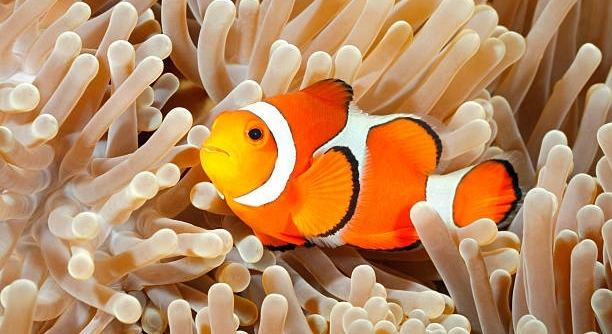
Have you ever noticed your clownfish acting differently when your aquarium’s water flow becomes a bit stronger than usual?
Clownfish often react to strong water flow by seeking shelter, reducing their activity, or adjusting their swimming patterns. These behaviors help them conserve energy and maintain stability in their environment.
Observing these changes can give you helpful clues about your aquarium’s setup and your clownfish’s comfort in varying conditions.
Swimming Against the Current
When water flow increases, clownfish tend to resist it by swimming harder or staying closer to their host anemone. This response is natural, especially since clownfish are not strong swimmers. They often rely on calmer spots within the tank to rest and feed. A strong current forces them to expend more energy, which can lead to stress over time. You may notice your clownfish flaring its fins or sticking to corners and decorations where the flow is gentler. These are all attempts to adapt to the sudden change in their environment. While occasional strong flow can help with oxygenation and cleanliness, it shouldn’t last too long. Constant struggle can wear down your clownfish, affecting its health and overall behavior. Watching how your clownfish reacts can guide you in adjusting pump settings, positioning filters, or adding sheltering structures to help them thrive better in your tank setup.
Clownfish need areas of calm water where they can eat and rest without effort.
If your clownfish avoids open spaces or frequently hides, the flow may be too strong. Watch for any hesitation during feeding or swimming. This can be a sign your setup needs some adjustments. An easy fix is redirecting your filter or adding rock structures to create calmer spaces.
Clownfish Communication in High Flow
Clownfish use body language to communicate, especially when water conditions change. Increased current often leads to more pronounced movements, like twitching or sudden darts. These reactions help express discomfort or alertness. Clownfish may also increase their contact with each other or with their host anemone, reinforcing bonds during stressful moments.
In stronger water flow, clownfish may interact more or even argue over safe spots. You might see nudging, fin flicking, or small displays of dominance, especially if shelter becomes limited. These behaviors are part of their social structure and often settle on their own. However, if the behavior turns aggressive or one clownfish starts hiding for long periods, it’s worth looking into the tank’s layout. Rearranging rocks, soft corals, or artificial plants can help create multiple low-flow areas, giving each fish enough space. This reduces competition and stress. Also, keep an eye on feeding. Strong flow can scatter food quickly, making it hard for clownfish to eat properly. Slowing the flow during feeding or using a feeding ring can help. These small changes can support both the health and social comfort of your clownfish.
Signs of Stress in Strong Flow
Clownfish under strong flow may show stress through quick, jerky movements, loss of appetite, or hiding more than usual. These signs often appear shortly after a flow increase and can affect their health if ignored for too long.
You might also notice faded colors or frayed fins. These changes usually happen when clownfish are working too hard to swim against constant current. Over time, their immune systems can weaken, making them more vulnerable to disease. If your clownfish begins to refuse food, swims erratically, or isolates itself from its usual area, it’s likely reacting to water conditions. Keeping the tank calm for a few days often helps, but you’ll want to adjust flow equipment as needed. Use your observations to make changes that support their comfort. Monitoring your fish daily will give you a better sense of how well they’re adapting to the tank environment.
Make sure your tank isn’t too bare. Lack of rocks or plants can leave clownfish exposed, making them more anxious. Adding natural barriers or small caves helps reduce water pressure in certain spots and gives your clownfish safer zones to rest. These additions also break line of sight, easing tension between tank mates and creating more stable swimming spaces.
Feeding Challenges During High Flow
Fast-moving water can carry food away quickly, making it harder for clownfish to eat properly. They often struggle to catch pellets or flakes before they scatter. This leads to poor feeding and wasted food in your tank.
Feeding during strong flow can result in clownfish missing meals or eating less than usual. Their slower swimming style makes it difficult to keep up with fast-moving food. To help, turn off filters during feeding or use a floating ring to hold food in place. This gives clownfish time to eat comfortably without chasing every piece. Uneaten food also contributes to poor water quality, so managing feeding flow is important for both their health and your tank’s cleanliness. A stable routine helps clownfish feel secure, especially if they already seem stressed by water movement. Consistent feeding areas and predictable times can reduce anxiety and keep them eating well despite minor flow changes.
Preferred Tank Zones During Strong Flow
Clownfish often stay in low-flow areas behind rocks, decorations, or near their host anemone. These zones give them a break from swimming constantly and help them feel secure when the rest of the tank becomes too active.
You may notice clownfish hovering near corners or under filter returns. These areas usually have reduced current and give the fish more control over their movements. Watching where they settle can help you adjust tank flow or add structure to support their comfort.
How Young Clownfish React Differently
Juvenile clownfish tend to be more affected by strong water flow than adults. Their smaller size and weaker swimming ability make it harder for them to stay in place or reach food. They may hide more often, show hesitation when exploring, or group tightly in low-flow areas. Supporting them with gentle water movement, feeding stations, and enough shelter is important. Adjusting powerhead angles or using flow diffusers can make a big difference. Strong current can easily overwhelm younger fish, so it’s best to keep their tank areas calmer as they grow and gain strength. Even small changes in current can impact their behavior.
Night Behavior in Strong Flow
At night, clownfish rest in calmer areas. If the current stays strong after lights go out, they may struggle to sleep properly.
FAQ
How do I know if the flow in my tank is too strong for my clownfish?
Watch their swimming behavior closely. If they avoid open water, stay near corners, or constantly fight the current, it may be too strong. Clownfish should be able to swim calmly without looking like they are struggling. Signs like loss of appetite, hiding more than usual, or skipping feedings also suggest discomfort. Their movements should be relaxed and steady, not fast and jerky. You can try lowering the flow temporarily to see if their behavior improves. Observation is key when deciding if water flow is appropriate.
Can strong water flow cause long-term harm to clownfish?
Yes, if left unaddressed. Constant strong flow forces clownfish to use extra energy just to stay in place, which can cause stress over time. Stress weakens their immune system, leaving them open to illness and infections. It can also interfere with their eating habits and social behavior. Some may become territorial or aggressive when competing for calm spaces. Over time, a poor tank environment like this may shorten their lifespan. Making sure the water flow suits their needs is important for their overall health and well-being.
What type of filter or pump is best for clownfish?
Use a filter or pump that allows adjustable flow rates. This gives you more control over the current inside the tank. Powerheads with flow controllers or return pumps connected to wavemakers are good options. You can also redirect the flow toward tank walls to reduce pressure in the middle of the tank. Aim for moderate circulation that keeps water clean but still allows calm areas. Sponge filters or internal filters can also be gentle enough for smaller setups. The key is to balance water movement without overwhelming your clownfish.
Should I turn off the flow during feeding time?
Yes, turning off the flow briefly can help clownfish eat more comfortably. High flow can scatter food too quickly, making it hard for them to catch it. This can lead to underfeeding or wasted food that dirties the tank. Turning off filters or pumps for a few minutes allows the food to stay in place, giving your clownfish a better chance to eat properly. After feeding, turn everything back on to maintain good filtration. Some people also use feeding rings or target feeding to keep food in one spot.
Do clownfish need low-flow tanks to thrive?
Not necessarily, but they do need calm zones within the tank. A tank with some movement helps with oxygen levels and keeps the water clean. However, clownfish should always have areas where they can rest without effort. If the whole tank has strong current, they’ll become stressed over time. Rockwork, corals, and anemones can break up the flow naturally and give clownfish shelter. As long as they have places to retreat to, they can adapt to moderate water movement quite well.
Can strong flow affect clownfish pairs differently than single fish?
Yes, clownfish pairs may behave differently in strong flow. They often rely on each other for social comfort and may stay close when stressed. In strong current, they might compete for safe spots or show more territorial behavior. If one fish is weaker, it may get pushed out of calm zones and become more stressed. Keeping enough hiding spaces and reducing flow helps both fish settle and stay balanced. Watching their interactions can give you helpful clues about how well they are adjusting.
How do I create calmer areas in a high-flow tank?
You can add rocks, artificial plants, or decorations to break the current. Position them in areas where the flow is strongest to reduce pressure. You can also angle your powerhead toward the tank glass or surface to soften the direct stream. If your filter or pump is adjustable, lower the speed slightly until the current feels gentle. Foam sponges or flow deflectors also help. Try to create at least two or three calm zones in your tank so the clownfish have options.
Why does my clownfish stay near the filter or powerhead?
Sometimes clownfish are curious and enjoy playing in gentle flow. But if they stay near the filter all the time, it may be a sign that the rest of the tank feels unsafe or too stressful. Filters and powerheads can create small low-pressure zones just behind or beneath them. Your clownfish may be choosing those spots because they feel easier to manage. It’s also possible they’re waiting for food particles. Still, it’s good to assess your tank’s flow and make sure other calm areas are available.
Final Thoughts
Clownfish are known for their playful movements and bright colors, but they are also sensitive to changes in their environment. Strong water flow can affect their behavior, health, and comfort in many ways. While they can handle some current, too much of it can lead to stress, poor feeding, or even illness. Watching how your clownfish reacts is one of the best ways to know if adjustments are needed. If they are swimming calmly, eating well, and staying active in different parts of the tank, your setup is likely working. But if they hide more, skip meals, or show signs of fatigue, the flow might need to be reduced.
Creating the right environment doesn’t always mean lowering the flow completely. It’s about giving your clownfish options. Adding rocks, decorations, or plants helps break up the current and gives your fish places to rest. Filters and pumps with adjustable settings also allow you to control the strength and direction of the water. These simple changes can make a big difference, especially in larger tanks where flow is harder to manage. Clownfish are adaptable, but only when their basic needs are met. Providing calm zones, feeding areas, and places to sleep helps them feel safe, even in a more active tank.
If you are raising juvenile clownfish or keeping a bonded pair, their needs may be slightly different. Young fish have weaker swimming abilities and may tire more easily in strong water. Pairs may show more social behavior or compete for space when the current becomes stressful. In both cases, keeping an eye on how they interact with the tank and each other is important. There’s no single setup that works for every tank, but balance is the key. Strong flow supports clean, oxygen-rich water, while calm zones protect the well-being of your fish. With regular observation and a few thoughtful adjustments, your clownfish can stay active, healthy, and comfortable no matter the conditions.

Hello,
If you enjoy the content that we create, please consider saying a "Thank You!" by leaving a tip.
Every little bit helps us continue crafting quality advice that supports the health, happiness, and well-being of pets around the world, for pets of all shapes, sizes, and species.
We really appreciate the kindness and support that you show us!