
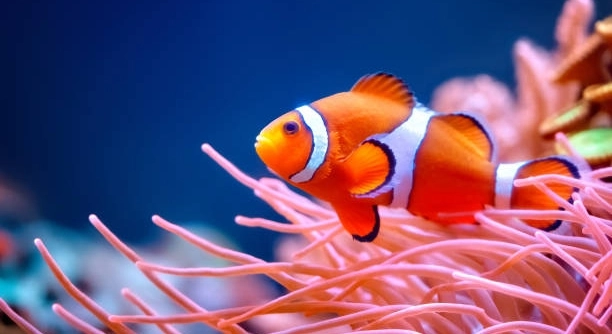
Have you ever watched your clownfish swimming in their tank and wondered if they sense changes happening outside the water? These small fish seem calm, but sometimes their behavior tells a different story.
Clownfish can sense changes in weather through shifts in barometric pressure and subtle environmental cues. Research suggests these fish may respond with altered swimming patterns or changes in activity levels, particularly before storms or sudden pressure drops.
Understanding how clownfish respond to weather may help improve their care and tank setup, especially in home aquariums where stability is key.
How Clownfish Detect Subtle Environmental Shifts
Clownfish live in shallow reef environments, where even small changes in the atmosphere can affect their daily routines. These fish are especially sensitive to barometric pressure, which shifts when the weather changes. Researchers believe that clownfish may sense these shifts through their swim bladder, an organ that helps control buoyancy. When pressure drops, as it often does before storms, clownfish may adjust their behavior. They could become less active, stay closer to their anemones, or move in patterns that suggest caution. These subtle changes are not dramatic but are noticeable if you observe them closely and consistently. While the exact biological process is still being studied, the connection between pressure changes and behavioral shifts has been observed both in wild populations and controlled environments. For aquarium owners, this sensitivity could help predict stress and allow for preventive care, such as maintaining water conditions during seasonal shifts or storms.
Clownfish may become sluggish or retreat more often when they sense atmospheric pressure dropping, even before a storm arrives.
If your clownfish suddenly seem quieter or stay close to their hiding spots, it may be a response to subtle pressure shifts in the environment. This kind of behavior is often short-lived and passes once the conditions stabilize.
Why This Matters for Home Aquariums
Keeping clownfish in a tank means replicating their natural habitat as closely as possible. While we can’t control the weather indoors, we can manage the effects it might have on the tank. A drop in barometric pressure can sometimes influence the pressure within the tank itself, depending on how it’s sealed and ventilated. In response, clownfish may show stress signals such as hiding more or eating less. Aquarium owners should watch for these signs and respond by minimizing stressors like sudden lighting changes or loud noises. It can also help to avoid major maintenance during these times, allowing the fish to adjust. Even though the changes may seem small, maintaining a stable environment gives clownfish a sense of safety. This stability supports both their physical health and natural behavior. Understanding these details helps you better respond to their needs and creates a more comfortable tank environment overall.
How Tank Conditions Influence Sensory Behavior
Tank conditions play a big role in how clownfish respond to outside changes. Even small shifts in lighting, water temperature, or filtration noise can affect how they behave, especially when external pressure changes are already stressing them.
Clownfish rely on stability in their tank to feel safe. When the environment stays consistent, their behavior remains calm and steady. But if water temperature or lighting changes quickly, they may react strongly, especially if pressure changes are happening at the same time. Keeping the tank clean, quiet, and evenly lit helps them manage outside stress better. It’s also helpful to use a thermometer and check water parameters regularly. If you notice signs like hiding, rapid fin movement, or loss of appetite, it might mean the fish are responding to combined stress factors. By keeping their space as predictable as possible, you’re giving them what they need to feel secure.
Noise and vibrations also affect their stress levels. Clownfish are sensitive to sounds in and around the tank. During storms or low-pressure changes, avoid tapping on the glass or moving the tank setup. This can reduce the sensory overload that causes them to act withdrawn or unsettled. Calm surroundings help maintain their natural behavior even in changing conditions.
Observing Behavior Changes Over Time
Noticing how clownfish act before and after pressure changes takes patience. Watch their patterns during different weather days. You might see them act less social or stay closer to their anemone before storms or low-pressure events. This observation can help you learn their habits more clearly.
Documenting behavior helps spot patterns you may miss otherwise. Try to track their activity over several weeks, especially when there are weather shifts outside. Record the time of day, their movement, appetite, and where they spend their time in the tank. Over time, you may notice recurring patterns, like them hiding more when the sky gets dark or becoming less active before a storm. These records don’t need to be complicated—just simple notes can go a long way. With this information, you’ll be better prepared to support your clownfish when their environment changes. Consistent observation builds a stronger understanding of what helps them feel safe and calm.
Common Signs of Weather Sensitivity
Clownfish may swim less, stay near the bottom of the tank, or hide in their anemone more often when they sense pressure changes. These behaviors usually don’t last long and return to normal once conditions stabilize.
You might also notice changes in appetite or activity levels. A normally active clownfish may seem still or uninterested in food. These signs can help you catch stress early and adjust care as needed.
Supporting Clownfish During Weather Shifts
To help clownfish through weather-related stress, focus on keeping tank conditions steady. Use a reliable heater, maintain clean water, and avoid loud noises. During storms, reduce bright lights and sudden changes. Don’t rearrange the tank or handle the fish unless it’s necessary. Let them settle without extra stress. If your area often experiences pressure drops or storms, try using a cover or insulation to keep the temperature from fluctuating. Observation is just as important. Pay attention to subtle signs like pacing, loss of appetite, or hiding. These responses are often temporary, but consistent care will help your clownfish feel safe and recover quickly.
Final Thought on Behavior Awareness
Understanding how clownfish react to pressure changes helps you support them better. With patience and care, small adjustments can make a big difference.
FAQ
Can clownfish actually feel weather changes if they’re inside a tank?
Yes, clownfish can still react to weather changes even when kept indoors. They may not feel wind or rain directly, but changes in barometric pressure can still affect them. Some tanks, especially those not fully sealed, may allow subtle pressure shifts to influence the environment. Clownfish can detect these changes through their swim bladder, which helps regulate buoyancy and is sensitive to pressure differences. You might notice them hiding more, slowing down, or swimming differently. These changes in behavior are signs that they are responding to environmental shifts, even if the change happens outside your home.
How fast do clownfish react to changes in pressure?
Clownfish can show behavioral changes quite quickly, sometimes within hours of a pressure drop. You might not notice it at first, but once you’re familiar with their routine, differences become more obvious. Some clownfish respond by retreating into their anemones, while others may become unusually still or less playful. These reactions are short-term and usually pass once the pressure evens out. It’s helpful to keep a simple log of their usual activity so you can catch subtle shifts early and understand how quickly they respond to these changes in your specific tank setup.
Do all clownfish react the same way?
Not always. Each clownfish may behave differently based on its personality, health, age, and how stable the tank environment is. Some may become quiet and hide, while others remain active. Pairs that are bonded or live closely with an anemone may show stronger reactions. Also, younger clownfish or those recently introduced to a new tank might be more sensitive. Watching your specific fish over time is the best way to learn what’s normal and what isn’t. Just because one clownfish reacts doesn’t mean another in the same tank will behave the same way.
Can weather-related stress make clownfish sick?
Weather changes alone don’t make clownfish sick, but the stress from sudden environmental shifts can weaken their immune system. If combined with poor water quality or sudden temperature changes, the chance of illness rises. Stress can lead to problems like loss of appetite or slower movement, which can impact overall health. If the fish is already vulnerable, weather-related stress can make things worse. Regular water testing and keeping the environment consistent helps reduce this risk. A healthy clownfish in a well-maintained tank is more likely to handle pressure changes without lasting effects.
How can I prepare my tank for pressure changes?
You can’t stop the weather, but you can support your clownfish by creating a steady tank environment. Use a heater to keep temperature levels even and avoid changes in lighting or feeding schedules during storms. Keep tank lids secure but well-ventilated. Try not to handle or move your clownfish around during low-pressure systems. Keeping the tank quiet and free of sudden vibrations also helps. Use a water test kit regularly to make sure ammonia, nitrite, and pH are within safe ranges. When the outside pressure changes, your clownfish will be less affected if their tank stays calm.
Should I feed my clownfish differently during weather shifts?
You don’t need to change their food, but be mindful of how much and when you feed them. If your clownfish are showing stress or hiding more, don’t overfeed, as leftover food can affect water quality. If they skip a meal, it’s okay—just resume feeding once their behavior returns to normal. Keep portions small and consistent. Observing them at feeding time is also a great way to notice mood changes. Loss of appetite is one of the first signs of stress, and if it happens during stormy weather, it may pass once conditions stabilize.
Is this sensitivity common in other fish too?
Yes, many fish species can sense changes in atmospheric pressure, not just clownfish. Some freshwater and saltwater fish show different reactions, like increased activity or hiding. Species that live in shallow waters—like clownfish—tend to be more sensitive because pressure changes are felt more easily closer to the surface. This is why your clownfish might react noticeably during a storm while other tank mates seem unaffected. Each species has different thresholds, and some are more adaptable than others. That’s why learning the habits of your own fish helps you give them better care.
Final Thoughts
Caring for clownfish means more than just feeding them and keeping the tank clean. It also involves paying attention to small changes in their behavior. One of those changes may be linked to shifts in weather, especially barometric pressure. While clownfish live in water, they can still react to the air pressure outside their tank. These reactions can seem small at first—like hiding more, eating less, or moving slower. But when you notice these signs early, you can make small changes to help them feel safer and more stable. Understanding this connection helps you provide better care in the long run.
Many tank owners don’t realize how much outside conditions can influence a closed environment like an aquarium. Clownfish, being naturally alert and responsive, often pick up on pressure changes faster than expected. This doesn’t mean you need to constantly worry or make major changes. It just means staying aware and keeping things steady when possible. Use tools like thermometers, water test kits, and a regular care routine to keep the tank conditions balanced. If your area is prone to storms or fast weather changes, avoid handling the fish too much or making loud noises during those times.
The more time you spend observing your clownfish, the easier it becomes to understand what is normal for them. Some changes are temporary and harmless, while others may signal stress that needs attention. Either way, noticing early signs helps you respond in simple and gentle ways. These small efforts can reduce stress and support your clownfish’s overall well-being. By watching their habits and being consistent with care, you create a safe and comfortable space. Over time, this makes a big difference—not just in how your clownfish behave, but also in how healthy and active they remain.

Hello,
If you enjoy the content that we create, please consider saying a "Thank You!" by leaving a tip.
Every little bit helps us continue crafting quality advice that supports the health, happiness, and well-being of pets around the world, for pets of all shapes, sizes, and species.
We really appreciate the kindness and support that you show us!