
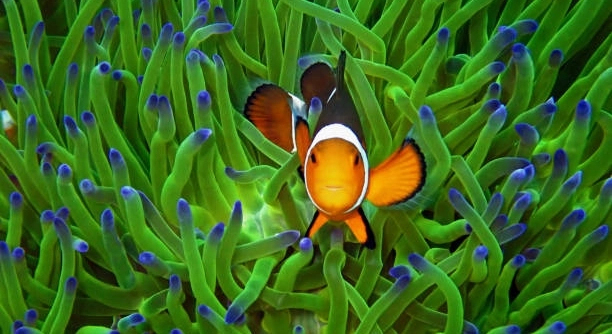
Clownfish are known for their bright and vibrant colors that brighten up coral reefs. Sometimes, these colors can fade or disappear, which can be worrying for aquarium owners and marine enthusiasts alike. Understanding why this happens is important for keeping clownfish healthy and colorful.
Clownfish lose their color due to several factors including poor water quality, stress from predators or tank mates, inadequate diet, illness, aging, changes in light exposure, and genetic conditions. Each of these can affect the pigmentation and overall appearance of the fish.
Recognizing these causes will help you maintain your clownfish’s vibrant colors and improve their wellbeing in both home tanks and natural environments.
Poor Water Quality
Water quality directly impacts the health and color of clownfish. When water contains high levels of ammonia, nitrites, or nitrates, it can cause stress and damage the fish’s skin and scales. Poor filtration or infrequent water changes allow harmful substances to build up. This environment weakens the clownfish’s immune system, making it more vulnerable to infections and color fading. Even changes in pH or temperature outside the ideal range can disrupt the clownfish’s natural pigmentation. Regular testing and maintenance are crucial to keeping the water clean and balanced. Proper water conditions help clownfish maintain their vibrant hues and stay healthy.
Maintaining clean water involves regular testing, partial water changes, and a good filtration system to reduce toxins and support the fish’s natural color.
Proper water care not only prevents color loss but also reduces disease risks. It creates a stable habitat where clownfish can thrive and display their true colors. Avoiding sudden water changes or extremes helps prevent stress, which often triggers fading. Consistent water quality is key to healthy, colorful clownfish in any tank setting.
Stress from Tank Environment
Stress causes clownfish to lose their bright colors quickly. Stress can come from overcrowding, aggressive tank mates, or sudden changes in the environment. Even loud noises or vibrations near the tank can affect them negatively. A stressful environment forces clownfish to use more energy to survive, which can lead to duller colors and poor health. It is important to create a calm and stable tank setup.
Clownfish show signs of stress through erratic swimming, hiding, or color changes. Providing hiding spots and compatible companions reduces stress. Keeping the tank environment calm with stable temperatures, gentle lighting, and low noise levels helps maintain their vibrant colors. Avoid sudden disruptions and observe their behavior regularly to catch early signs of stress. This care improves their overall wellbeing and color retention.
Inadequate Diet
A poor diet can cause clownfish to lose their color. Without proper nutrients, their pigmentation fades and their health declines.
Clownfish need a balanced diet rich in proteins, vitamins, and carotenoids to maintain vibrant colors. Feeding only flakes or pellets without variety can lead to nutrient deficiencies. Including frozen or live foods like brine shrimp or mysis shrimp helps provide essential nutrients. Foods high in carotenoids specifically support bright pigmentation. Neglecting these dietary needs results in dull colors and weaker immune systems, making fish more vulnerable to disease.
It’s important to feed clownfish multiple times a day in small portions. Overfeeding can pollute the water, while underfeeding causes malnutrition. Rotate food types to keep their diet balanced and support color retention. Paying attention to diet ensures the fish remain healthy and colorful for longer periods.
Illness and Parasites
Illnesses and parasites cause stress and physical damage, leading to color loss in clownfish. Infections often dull their natural pigmentation.
Bacterial, fungal, or parasitic infections can affect clownfish skin and scales, causing discoloration. Parasites like ich or flukes irritate the fish and reduce their ability to maintain vibrant colors. Sick fish may also stop eating, worsening their condition. Early detection and treatment are vital. Quarantine new fish before introducing them to the tank to prevent disease spread.
Maintaining clean water and a healthy environment helps prevent illness. Regular observation for signs like white spots, sluggish behavior, or changes in appetite allows quick response. Treat infections promptly with appropriate medications to protect your clownfish’s color and overall health.
Aging
As clownfish age, their colors naturally fade. This is a normal process linked to changes in their metabolism and pigment production.
Older clownfish may appear less vibrant, but this doesn’t always indicate poor health. Proper care can help slow color loss and keep them looking lively longer.
Changes in Light Exposure
Clownfish need proper lighting to maintain their colors. Too little light causes fading, while too much light can stress them.
Using adjustable aquarium lights helps mimic natural conditions. Gradual changes in light intensity support healthy pigmentation and reduce stress.
Genetic Conditions
Some clownfish have genetic traits that affect their color patterns. These conditions can cause uneven or fading colors regardless of care.
Selective breeding may influence these traits. Understanding your clownfish’s genetics helps set realistic expectations for their coloration over time.
FAQ
Why is my clownfish losing color suddenly?
Sudden color loss in clownfish usually points to stress or poor water conditions. Check water parameters like ammonia, nitrites, nitrates, pH, and temperature immediately. Stress can also come from aggressive tank mates, overcrowding, or sudden environmental changes. Improving water quality and reducing stressors often helps restore their color.
Can diet really affect a clownfish’s color?
Yes, diet plays a major role in maintaining clownfish coloration. Foods rich in carotenoids, vitamins, and proteins support pigment production. Feeding only basic flakes or pellets without variety can lead to dull colors. Including live or frozen foods like brine shrimp and mysis shrimp ensures they get necessary nutrients for vibrant hues.
How often should I change the water to prevent color loss?
Regular water changes are essential. Changing 10-20% of the tank water weekly helps keep toxins low and maintain stable conditions. More frequent changes may be needed if the tank is overcrowded or heavily stocked. Clean water reduces stress and supports healthy skin and scales, preserving color.
Is it normal for clownfish colors to fade with age?
Yes, aging naturally affects color brightness. Older clownfish often show faded or dull colors due to slower pigment production. While this is normal, proper diet, good water quality, and low stress can slow fading and keep them looking healthy longer.
Can illnesses cause my clownfish to lose color?
Illnesses and parasites often cause discoloration. Bacterial or fungal infections, as well as parasites like ich, damage the skin and scales, leading to dullness. Sick fish may also lose appetite and energy. Early treatment and good tank hygiene are critical to prevent permanent color loss.
How can I reduce stress in my clownfish?
Stress can be lowered by providing enough hiding places and choosing peaceful tank mates. Avoid overcrowding and sudden changes in lighting or temperature. Keep the environment stable and quiet. Observing behavior regularly helps catch stress signs early.
Does lighting affect clownfish color?
Proper lighting is important. Too little light can cause fading, while overly bright or constant lighting can stress clownfish. Using adjustable aquarium lights that mimic natural day-night cycles supports healthy pigmentation and behavior.
Are genetic factors responsible for color loss?
Some clownfish have genetic traits that influence their coloration. These can result in uneven, fading, or changing colors that aren’t related to care. Knowing the genetics helps manage expectations and avoid unnecessary treatments.
What is the best diet to keep clownfish colorful?
A varied diet including high-quality flakes, pellets, and frozen or live foods like brine shrimp and mysis shrimp is best. Foods rich in carotenoids boost natural pigments. Feeding several small meals a day rather than one large meal helps digestion and nutrient absorption.
Can I treat color loss at home or do I need a vet?
Mild color loss from stress or diet can often be improved at home by fixing water quality, adjusting diet, and reducing stress. However, if illness or parasites are suspected, consulting an aquatic veterinarian or fish specialist for diagnosis and treatment is recommended.
Final thoughts on clownfish losing their color focus mainly on understanding and addressing the common causes. Color fading can signal underlying problems such as poor water quality, stress, diet deficiencies, illness, aging, or genetic factors. Paying close attention to these areas helps keep clownfish healthy and colorful for longer periods. Consistent care and observation are essential, as early detection of issues allows prompt action to prevent further color loss or health decline.
Water quality remains one of the most important factors in maintaining clownfish color. Regular testing and maintenance of water parameters create a stable environment that supports vibrant pigmentation. Avoiding overcrowding, aggressive tank mates, and sudden changes in conditions reduces stress, which can otherwise cause fading. A well-balanced diet rich in essential nutrients is equally important, as it supports natural color production and overall health. Including a variety of foods, such as live or frozen brine shrimp and mysis shrimp, ensures the clownfish receive the vitamins and carotenoids they need.
Lastly, some changes in color may be natural, especially as clownfish age or due to genetics. Understanding these factors helps set realistic expectations for your fish’s appearance. If illness or parasites are involved, quick treatment is necessary to prevent permanent damage. Maintaining proper lighting and a calm tank environment also supports healthy coloration. By focusing on these areas, you can enjoy watching your clownfish display their beautiful colors and thrive in your care for years to come.

Hello,
If you enjoy the content that we create, please consider saying a "Thank You!" by leaving a tip.
Every little bit helps us continue crafting quality advice that supports the health, happiness, and well-being of pets around the world, for pets of all shapes, sizes, and species.
We really appreciate the kindness and support that you show us!