
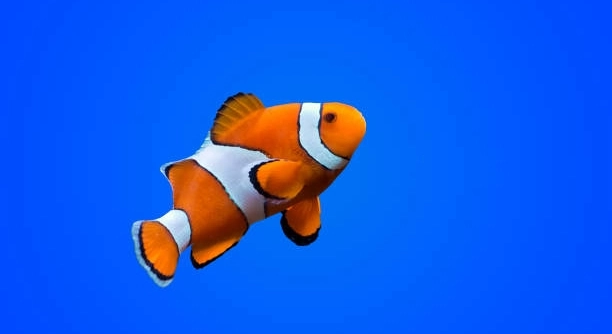
Clownfish are popular pets known for their bright colors and playful behavior. Feeding them properly is essential to keep them healthy and active. Sometimes, they may refuse certain foods, which can be worrying for their owners.
A common reason clownfish reject pellets is due to stress, poor water quality, or unfamiliarity with the food type. Additionally, dietary preferences and pellet size or composition can affect their willingness to eat. Ensuring optimal tank conditions supports better feeding habits.
Understanding why your clownfish refuses pellets can help you make better choices in care and diet. This article will guide you through practical steps to improve your fish’s appetite and well-being.
Common Reasons Clownfish Refuse Pellets
Clownfish may refuse pellets for several straightforward reasons. One major factor is stress caused by changes in their environment, such as new tank mates, water temperature shifts, or recent tank cleaning. Stress can reduce their appetite and make them avoid unfamiliar foods. Another reason is poor water quality, which affects their health and eating habits. If the water has high levels of ammonia, nitrites, or nitrates, clownfish often become lethargic and uninterested in food. Sometimes, the pellets themselves are the issue. If the pellets are too large, hard, or made from ingredients your fish doesn’t like, they might avoid them. Additionally, if your clownfish are used to live or frozen foods, pellets may seem unappealing. Offering a variety of pellet brands or soaking pellets to soften them can help with this issue. Regular monitoring of tank conditions also supports healthy feeding.
Proper water quality and pellet choice greatly influence your clownfish’s willingness to eat.
Consistency in water parameters and experimenting with pellet types can improve feeding success.
How to Encourage Your Clownfish to Eat Pellets
Start by gradually introducing pellets while still offering live or frozen foods your clownfish enjoys. This helps them get used to the new texture and taste without feeling hungry or stressed. Try crushing pellets into smaller pieces or soaking them briefly in tank water to make them easier to eat. Feeding small amounts several times a day instead of one large feeding can stimulate their appetite. Observing your fish closely during feeding times helps you notice preferences and behavior changes. If your clownfish still refuses pellets after trying different approaches, checking water quality again is important. Sometimes, underlying health issues can reduce appetite. Keeping the tank clean, stable, and well-maintained supports overall fish health, which encourages feeding. By being patient and attentive, you can help your clownfish adjust and accept pellets over time.
Signs Your Clownfish Is Not Eating Properly
Refusal to eat pellets may show in behavior changes. Your clownfish might hide more, swim slowly, or appear less active. These signs can mean they are stressed or unhealthy, needing your attention to prevent further problems.
A clownfish that isn’t eating properly may lose weight and look thinner over time. Their colors could also become duller, which signals poor health. It’s important to check water quality, as poor conditions often cause appetite loss. Watch for other symptoms like gasping at the surface or unusual swimming patterns, which can indicate illness. Early detection helps you take action before problems worsen, protecting your fish’s health.
Ensuring a clean tank with stable water parameters encourages normal behavior and feeding. Using a variety of foods and monitoring your clownfish closely can prevent feeding problems. Regular observation allows you to catch issues early and adjust care as needed.
Adjusting Your Feeding Routine
Changing how and when you feed can make a difference if your clownfish avoids pellets. Feeding smaller amounts multiple times a day can mimic their natural eating habits and encourage appetite. Avoid overfeeding, as leftover food can pollute the water and harm your fish.
Try feeding at consistent times daily, so your clownfish develops a routine. Mixing pellet feeding with live or frozen foods can maintain interest and variety in their diet. Sometimes, using feeding tongs to bring pellets closer to their mouth helps attract their attention. Watching how your fish reacts allows you to adjust portions and frequency for the best results. Patience and consistency in your feeding routine will improve your clownfish’s willingness to eat pellets.
Tank Environment Impact on Feeding
A clean and stable tank environment is key to good feeding habits. Poor water quality or sudden changes can stress clownfish, making them less likely to eat pellets. Maintaining proper temperature and salinity levels supports their health.
Frequent water testing and partial water changes help keep the tank safe. Avoid overcrowding, as competition or bullying may reduce your clownfish’s appetite. Creating a calm environment encourages normal feeding behavior and overall well-being.
Choosing the Right Pellets
Pellet size and ingredients matter for clownfish acceptance. Smaller pellets are easier to eat and less intimidating. Look for pellets made specifically for marine fish with balanced nutrients.
High-quality pellets usually contain fish meal, algae, and vitamins that meet clownfish dietary needs. Avoid pellets with fillers or low nutritional value. Trying different brands can help find the one your clownfish prefers and improve feeding success.
Signs of Illness Affecting Appetite
Illness often causes loss of appetite in clownfish. Watch for symptoms like white spots, swelling, or erratic swimming.
Early treatment is important to restore health and appetite.
FAQ
Why is my clownfish ignoring pellets but eating live food?
Clownfish often prefer live food because it is fresher and more natural in texture and smell. Live foods like brine shrimp or copepods mimic their diet in the wild. Pellets can seem artificial or less appealing, especially if your fish is used to live options. Gradual introduction of pellets by mixing them with live food may help your clownfish adjust.
Can water quality really affect my clownfish’s appetite?
Yes, water quality directly impacts clownfish health and feeding behavior. Poor water conditions—high ammonia, nitrite, or nitrate levels—cause stress, which lowers appetite. Maintaining stable temperature, pH, and salinity, alongside regular water changes, supports better feeding. Test your water regularly to catch issues early.
How can I soften pellets to make them easier for my clownfish to eat?
Soaking pellets in tank water for a few minutes before feeding can soften them and release scent, making them more attractive. Soft pellets are easier to bite and digest, which can encourage your clownfish to try them. Avoid soaking too long, as pellets can break down and pollute the tank.
Is pellet size important for clownfish?
Yes, pellet size matters. Small pellets or crushed pellets are easier for clownfish to eat. Large or hard pellets can be intimidating or difficult to bite, causing refusal. Look for pellets designed for small marine fish or crush larger pellets into smaller pieces if needed.
How often should I feed my clownfish pellets?
Feeding 2-3 small meals a day is better than one large feeding. Smaller, frequent feedings align more closely with their natural habits and help maintain water quality by reducing leftover food. Adjust portion sizes based on how much your clownfish eats each time to avoid overfeeding.
What if my clownfish still refuses pellets after trying different brands?
If your clownfish rejects all pellets, try mixing pellets with live or frozen foods at first. Gradually increase the pellet portion as they get used to the taste and texture. If refusal continues, evaluate tank conditions and check for signs of illness, as health issues can affect appetite.
Can stress from tank mates cause pellet refusal?
Yes, aggressive or dominant tank mates can stress clownfish, reducing their appetite. Stress makes fish hide or avoid eating. Ensure compatible tank mates and provide hiding spots. Reducing stress improves feeding behavior and overall health.
Is it normal for clownfish to refuse food occasionally?
Occasional refusal can happen during tank changes, illness, or water parameter fluctuations. Short-term appetite loss is usually temporary. Persistent refusal lasting several days needs investigation into health, water quality, or diet changes.
Are pellets nutritionally adequate for clownfish?
Good-quality pellets contain balanced nutrients, vitamins, and minerals needed for clownfish health. However, pellets alone may not fully replicate a natural diet. Supplementing with live, frozen, or frozen-dried foods ensures variety and completeness in nutrition.
Can lighting affect my clownfish’s feeding habits?
Lighting influences fish behavior. Bright lights may stress clownfish, causing reduced feeding. Adjust lighting intensity and duration to mimic natural day-night cycles. Dimming lights slightly during feeding times can encourage better eating habits.
How do I know if my clownfish is healthy?
Healthy clownfish are active, alert, and have bright colors. They swim confidently and respond to feeding. Watch for clear eyes and intact fins. Changes in behavior, color fading, or physical damage may signal health problems needing attention.
What should I do if my clownfish refuses all food?
If your clownfish stops eating completely, check water quality and tank conditions immediately. Look for signs of illness such as white spots or lethargy. Consider consulting a veterinarian or fish specialist. Quarantine sick fish if possible to prevent spread of disease. Prompt action increases chances of recovery.
Clownfish refusing to eat pellets can be frustrating, but it is a common issue many fishkeepers face. Understanding the reasons behind this behavior is the first step toward solving it. Factors like stress, water quality, pellet size, and diet preferences all play a role in whether your clownfish accepts pellets or not. Paying attention to these details helps ensure your fish stays healthy and happy. Patience is important, as changes in feeding habits often take time.
Maintaining a stable and clean tank environment supports your clownfish’s appetite and overall health. Regular water testing and careful monitoring of tank parameters prevent stress and illness, which are common causes of poor feeding. Offering a variety of foods, including live, frozen, and pellet options, can make a positive difference. Gradual introduction of pellets and adjusting feeding routines help your fish become comfortable with new foods. Small, frequent meals often work better than one large feeding.
If your clownfish still refuses pellets after trying these steps, it could indicate an underlying health issue. Observing for signs of illness and seeking advice from experts or veterinarians can protect your fish’s well-being. Remember that every fish is different, and what works for one may not work for another. With consistent care, attention, and a little patience, you can encourage your clownfish to accept pellets and enjoy a balanced diet for a long, healthy life.

Hello,
If you enjoy the content that we create, please consider saying a "Thank You!" by leaving a tip.
Every little bit helps us continue crafting quality advice that supports the health, happiness, and well-being of pets around the world, for pets of all shapes, sizes, and species.
We really appreciate the kindness and support that you show us!