
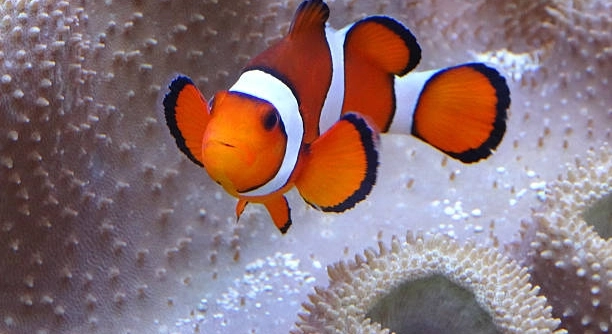
Clownfish are known for their bright colors and lively movements. Many people think all clownfish behave the same, but they actually show small differences in personality. These subtle traits make each fish unique in its own way.
Clownfish exhibit subtle personality differences such as varying levels of boldness, social behavior, aggression, and curiosity. These traits affect their interactions within groups and influence their survival strategies in the wild. Understanding these differences is important for studying their behavior.
These small personality traits influence how clownfish live and interact every day. Learning about them helps us appreciate the complexity behind these colorful sea creatures.
Boldness Levels Among Clownfish
Clownfish show different levels of boldness in how they explore their surroundings and interact with other fish. Some clownfish are naturally more daring, swimming confidently near predators or unfamiliar objects. Others stay close to their sea anemone homes, preferring safety over risk. This difference can affect their chances of finding food or mates. Bold clownfish may have better access to resources but face higher dangers. Shy ones tend to avoid trouble but might miss out on opportunities. These personality traits develop from both genetics and experience. Observing clownfish in aquariums and in the wild reveals these behavioral patterns clearly. It helps scientists understand how animals adapt to their environment and how group dynamics form.
Boldness affects clownfish survival and social roles within their groups.
Different boldness levels create balance in clownfish communities. Bold fish lead exploration and defense, while cautious ones provide stability. This mix allows the group to function well under changing conditions. It also influences how clownfish compete or cooperate for food and shelter. Bold fish often take more risks but can gain better rewards, while shy fish contribute by staying safe and maintaining group harmony. This variety in personality is a key part of clownfish behavior and helps explain their success in their natural habitats.
Social Behavior Differences
Clownfish vary in how social they are within their groups. Some prefer close contact and frequent interaction, while others keep more distance. This affects group structure and how they communicate. Social behavior influences feeding and breeding success, shaping their daily routines and relationships.
Aggression Variations
Clownfish show different levels of aggression depending on their personality. Some are quick to defend their territory, while others are more passive. This impacts how they handle competition and threats.
Aggressive clownfish tend to protect their sea anemone homes fiercely. They chase away intruders and compete actively for space and food. This behavior helps them secure resources but can lead to more conflicts within the group. Less aggressive individuals avoid fights and focus on staying safe. They may share space more easily but risk losing access to the best spots. Both types play important roles in maintaining balance within the community, influencing how groups form and survive in changing conditions.
The balance between aggression and calmness shapes how clownfish manage social order. It affects mating opportunities, access to food, and group stability. Aggressive fish often dominate key territories, while calmer ones keep peace and avoid injury. These variations ensure the group adapts well to threats and resource challenges, supporting their survival over time.
Curiosity Differences
Curiosity varies widely among clownfish and affects how they explore their environment. Some are eager to investigate new objects, while others remain cautious and stick close to familiar places.
Curious clownfish are more likely to discover new food sources or potential dangers early. This behavior helps them adapt quickly to environmental changes. However, being curious also increases exposure to predators. Less curious clownfish reduce risks by staying near shelter, but they may miss chances to improve their situation. These differences impact individual survival and influence how groups respond to new challenges.
Curiosity influences the learning process for clownfish. The more curious ones often lead in finding safe routes or new shelter. This knowledge benefits the whole group. Less curious fish contribute by maintaining group safety and avoiding unnecessary risks. Together, these traits create a balance between exploration and caution, helping clownfish thrive in unpredictable environments.
Leadership Tendencies
Some clownfish naturally take on leadership roles within their groups. They guide others during movements and defend the territory.
Others prefer to follow and stay within the group without leading. This creates a clear social structure that helps the group stay organized.
Response to Threats
Clownfish differ in how quickly and strongly they react to threats. Some respond immediately with defensive behavior, while others stay calm and avoid confrontation. These varied responses help the group manage danger effectively by balancing alertness and caution.
Communication Styles
Clownfish use body movements and sounds to communicate. Some are more vocal and active in signaling, while others communicate less frequently but still stay connected within the group.
Adaptability
Clownfish show different levels of adaptability to changes in their environment. Some adjust quickly to new situations, while others take more time to respond.
FAQ
What causes personality differences in clownfish?
Personality differences in clownfish come from a mix of genetics and environmental factors. Some traits are inherited, while others develop based on the fish’s experiences and surroundings. For example, a clownfish that faces many threats may become more cautious over time, while one in a safer area might be bolder.
How do these personality traits affect clownfish survival?
Traits like boldness, aggression, and curiosity influence how clownfish find food, defend territory, and avoid predators. Bold fish may access more resources but face higher risks. Shy fish stay safer but might miss opportunities. Together, these differences help the group survive by balancing risk and caution.
Are clownfish personalities stable over time?
Personality traits in clownfish tend to stay consistent, but they can change slightly depending on life stages or environmental changes. For example, younger clownfish may be more curious or bold, but as they grow older, they might become more cautious to protect themselves.
Do clownfish personality differences affect breeding?
Yes, personality plays a role in breeding success. More dominant and aggressive clownfish often secure better nesting sites and attract mates more easily. However, less aggressive fish contribute by maintaining group harmony, which supports breeding success overall.
Can personality differences cause conflicts in clownfish groups?
Conflicts can happen, especially between aggressive and shy individuals. Aggressive fish may compete for territory or mates, leading to fights. But these conflicts are usually balanced by the group’s social structure, where some fish lead and others follow to reduce constant fighting.
How do clownfish communicate their personalities?
Clownfish use body language, movements, and sounds to show their mood and intentions. A bold fish might swim confidently and approach others quickly, while a shy fish stays close to shelter and moves slowly. These signals help fish understand each other and avoid unnecessary fights.
Can understanding clownfish personalities help in aquarium care?
Yes, knowing the personality differences can improve how we care for clownfish in aquariums. Recognizing which fish are more aggressive or shy helps in choosing tank mates and creating a peaceful environment. It also aids in feeding strategies and managing stress.
Are personality differences unique to clownfish?
No, personality differences are common in many animal species, including fish. However, clownfish are a good example because their behavior is easy to observe in groups and they show clear differences that affect their social interactions.
Do environmental changes affect clownfish personalities?
Environmental changes can influence behavior, but core personality traits usually remain stable. For instance, a change in predator presence or food availability might make a clownfish temporarily more cautious or bold, but its basic tendencies will generally stay the same.
Is it possible to train or change a clownfish’s personality?
Clownfish can learn from experience, but their basic personality traits are mostly fixed. Training them like pets isn’t practical, but providing a safe and stimulating environment can encourage positive behaviors and reduce stress.
Clownfish are more than just colorful fish swimming among sea anemones. Their personalities vary in many small but important ways. These differences, such as boldness, aggression, curiosity, and social behavior, shape how each fish lives and interacts with others. Understanding these subtle traits helps us see clownfish as individuals, not just as members of a single species. It also gives insight into how animals adapt to their environments and work together to survive. Each clownfish’s personality contributes to the balance and health of their groups, making their communities stronger.
Recognizing the variety in clownfish personalities is useful beyond just observing them in nature. It helps people who keep clownfish in aquariums create better living spaces that match the needs of different fish. Knowing which fish are more aggressive or shy can guide how tank mates are chosen and how much space or hiding spots each fish needs. It can also help reduce stress and prevent fights. This understanding allows for better care and a more peaceful environment. It also makes watching clownfish more interesting because you can notice their unique ways of behaving.
In the end, personality differences in clownfish show us how complex animal behavior can be, even in small creatures. These differences play a big role in how clownfish find food, protect themselves, and raise their young. They show that every animal has its own way of facing challenges and making decisions. By learning about these traits, we can appreciate clownfish more deeply and support their well-being whether in the wild or in captivity. Paying attention to their subtle personalities adds a new layer of respect for these bright and lively fish.

Hello,
If you enjoy the content that we create, please consider saying a "Thank You!" by leaving a tip.
Every little bit helps us continue crafting quality advice that supports the health, happiness, and well-being of pets around the world, for pets of all shapes, sizes, and species.
We really appreciate the kindness and support that you show us!