
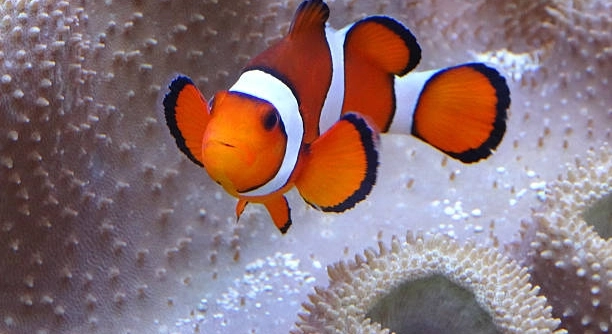
Clownfish are popular for their bright colors and close relationship with sea anemones. Many people enjoy watching them in home aquariums or in the wild. These fish show interesting behaviors that make them stand out among other species.
Clownfish do have the ability to recognize other fish, especially their own kind and familiar individuals. Studies show they use visual and chemical cues to distinguish friends from strangers, which helps them maintain social bonds and protect their territory.
Learning how clownfish recognize each other can reveal more about their social lives and survival. This knowledge helps us understand these charming fish beyond their colorful appearance.
How Clownfish Recognize Each Other
Clownfish use several methods to recognize other fish around them. Their bright colors and patterns help them identify members of their own species. Visual cues are important because clownfish live in complex environments with many different fish. They also rely on chemical signals in the water, which act like a unique scent or fingerprint. This helps clownfish distinguish familiar individuals from strangers. Social recognition is crucial because clownfish form groups with a clear hierarchy. Knowing who belongs and who doesn’t helps reduce conflict and maintain harmony. It also plays a role in mating and protecting their territory from intruders. Recognition skills improve their chances of survival by allowing them to respond appropriately to other fish. This combination of sight and smell creates a reliable system for identifying others in their home area.
This ability to recognize others is essential for clownfish social behavior and group stability.
Understanding how clownfish identify each other helps explain their strong social bonds and why they stay close to their groups. It shows how they avoid unnecessary fights and cooperate in protecting their shared space. This recognition also plays a role in choosing mates, ensuring the continuation of their species. Their reliance on both visual and chemical cues makes their social system effective and adaptable to their environment.
Why Recognition Matters in Clownfish Groups
Recognition keeps clownfish groups stable and organized.
When clownfish can tell who is who, they can better maintain their social order. This helps them avoid fights that could harm the group. Social structure is important because clownfish live in small communities where each fish has a role. The biggest fish is usually the female leader, and the rest follow her. Recognizing each other allows the fish to respect this order and cooperate. It also helps them protect their home, usually a sea anemone, from outside threats. Without recognition, the group could fall apart, making it harder for the fish to survive. Their ability to identify others strengthens their teamwork and safety. This makes recognition one of the key skills clownfish need to live and thrive together.
Recognition Through Color and Patterns
Clownfish rely heavily on their bright colors and unique patterns to recognize one another. These visual traits help them quickly identify members of their group. Each clownfish’s markings are slightly different, making recognition easier in their busy habitats.
These colors serve a practical purpose beyond beauty. In the underwater world where many species look similar, the specific pattern and color shades help clownfish avoid confusion. They can spot their own kind even from a distance. This ability also helps them react differently to familiar fish and strangers, which is important for social harmony. Clownfish often live in close quarters with others, so knowing who belongs is key to avoiding conflicts.
Besides identification, colors and patterns can signal social status within the group. Dominant clownfish often display more vivid colors, while less dominant ones may have duller shades. This visual cue supports the group’s hierarchy and keeps order without constant fighting.
Chemical Cues in Fish Recognition
Chemical signals play a big role in how clownfish recognize others in their environment. These fish release specific chemicals that act like a unique scent, allowing them to detect familiar individuals.
This chemical recognition is important because water can carry these signals over distances. Even if a fish is out of sight, others can still identify it by smell. This system works well in the often murky water of coral reefs where visibility can be limited. It adds a layer of security, helping clownfish know who is nearby and whether they pose a threat or not.
Chemical cues also help in establishing territory. Clownfish use these signals to mark their home area, which helps keep outsiders away. This helps maintain peace in their living space and supports their survival. Understanding these chemical signals reveals how clownfish manage social interactions beyond what the eye can see.
The Role of Behavior in Recognition
Clownfish use specific behaviors to recognize others. They observe movements and reactions closely. Familiar fish have predictable patterns that make them easier to identify.
Behavioral cues help clownfish decide whether to be friendly or cautious. These actions support their social structure and daily interactions.
Visual Memory and Learning
Clownfish have good visual memory that helps them remember other fish over time. This memory allows them to quickly recognize neighbors and adjust their behavior accordingly. Visual learning is important for maintaining stable social groups and avoiding unnecessary conflicts. It also helps them identify potential threats or newcomers.
The Importance of Territory
Territory plays a major role in recognition. Clownfish protect their space fiercely.
Knowing who belongs in their territory helps reduce fights and keeps their community safe.
FAQ
Do clownfish recognize individual fish from different species?
Clownfish mostly recognize members of their own species. Their recognition skills rely heavily on familiar colors, patterns, and chemical cues that are specific to clownfish. While they can detect other fish nearby, they usually do not identify individual fish from different species. They may respond to the presence of other species by being cautious or defensive but don’t form social bonds with them.
How do clownfish recognize each other in large groups?
In larger groups, clownfish rely on a mix of visual and chemical signals to keep track of who is who. Each fish has slightly different markings and scent signatures. They use these differences to avoid confusion and maintain social order. Clownfish also watch behaviors and interactions to help identify familiar individuals, which helps reduce conflicts and build stable communities.
Can clownfish recognize their mates?
Yes, clownfish can recognize their mates. This recognition helps maintain pair bonds and supports successful breeding. They use a combination of color patterns, chemical signals, and behavior to identify their partner among other fish. Recognizing mates ensures better cooperation in caring for eggs and defending territory.
Do clownfish recognize threats differently than other fish?
Clownfish are good at recognizing threats and strangers. They tend to react strongly to unfamiliar fish that enter their territory. Visual cues and chemical signals alert them when a potential predator or rival approaches. Their response often includes aggressive behavior or retreating to the safety of their host anemone.
How important is recognition for clownfish survival?
Recognition is vital for clownfish survival. It helps them form social groups, protect their territory, and avoid unnecessary fights. Recognizing familiar individuals means they can focus on real threats rather than wasting energy on friendly fish. This ability supports breeding, feeding, and defense against predators.
Do clownfish recognize humans or aquarium keepers?
Clownfish can learn to recognize humans, especially those who regularly feed or care for them. They may become less shy around familiar people and react positively to their presence. This recognition is based on repeated interaction rather than natural instincts.
Can clownfish forget other fish they once recognized?
Like many fish, clownfish can lose recognition of others over time if they are separated for long periods. Their memory relies on repeated visual and chemical cues. Without regular interaction, the ability to recognize individuals may weaken or disappear.
Are all clownfish equally good at recognizing others?
Recognition abilities can vary between individual clownfish. Factors like age, experience, and social status influence how well a clownfish identifies others. Older or dominant fish tend to be better at recognizing group members and maintaining social order.
How do clownfish respond when they meet unfamiliar clownfish?
When encountering unfamiliar clownfish, they may show aggressive or defensive behaviors to protect their space. This reaction helps keep strangers from invading their territory. Over time, if the stranger proves non-threatening, they might be accepted into the group, depending on the social structure.
Do clownfish rely more on sight or smell for recognition?
Clownfish use both sight and smell for recognition. Visual cues help them identify colors and patterns, while chemical signals provide additional information about identity and status. These senses work together to create a reliable recognition system. In murky water, chemical cues become especially important.
Clownfish have a unique way of recognizing other fish, especially those within their own groups. They use a mix of bright colors, patterns, and special chemical signals to tell who belongs and who does not. This recognition helps them live peacefully with others, protect their home, and keep their social structure strong. Without the ability to identify each other, clownfish might face more fights and confusion, which could make survival harder. Their recognition skills show how even small fish have complex ways to manage their communities.
The way clownfish recognize one another is more than just seeing colors. It involves remembering patterns, watching behaviors, and smelling chemical cues in the water. These different methods work together to create a reliable system for identifying familiar fish. Clownfish live in busy, colorful reefs where many fish swim around. Having a clear way to tell who is part of their group is important. It helps them avoid wasting energy on unnecessary fights and focus on threats that really matter. This balance of sight and smell makes clownfish social life smoother and safer.
Understanding how clownfish recognize each other gives us a better look at their daily lives and survival strategies. It reminds us that animals, even small fish, have smart ways to communicate and organize their groups. Watching clownfish interact can teach us about the importance of recognition in nature. It also shows why taking care of their environment matters, since their home and social bonds are closely linked. The next time you see clownfish, you can appreciate how much thought goes into their interactions beneath the water’s surface.

Hello,
If you enjoy the content that we create, please consider saying a "Thank You!" by leaving a tip.
Every little bit helps us continue crafting quality advice that supports the health, happiness, and well-being of pets around the world, for pets of all shapes, sizes, and species.
We really appreciate the kindness and support that you show us!