
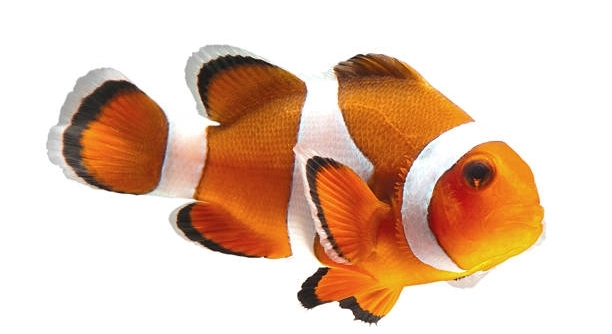
Keeping clownfish in home aquariums is a popular choice for many fish enthusiasts. These colorful fish are known for their vibrant patterns and interesting behaviors. Many people wonder about the best way to house them for their well-being.
Clownfish can be kept in pairs only, as they naturally form monogamous bonds. Housing a pair together is suitable and promotes healthy social interaction without overcrowding, provided the tank environment meets their space and care requirements.
Understanding how clownfish interact in pairs helps create a balanced aquarium environment. This article explores the benefits and considerations of keeping clownfish in pairs only.
Understanding Clownfish Social Behavior
Clownfish naturally live in small groups on coral reefs, where a strict social hierarchy exists. In the wild, a dominant female leads the group, followed by a smaller breeding male and several non-breeding males. When the dominant female dies, the breeding male changes sex to become the new female, and one of the non-breeding males becomes the new breeding male. This unique behavior means that clownfish usually pair off in monogamous relationships. Keeping only two clownfish together in an aquarium mirrors their natural pairing. It helps reduce aggression and stress that might arise in larger groups. However, their environment should offer enough space, hiding spots, and proper water conditions to support their health. Overcrowding or mixing incompatible species can lead to conflicts. Watching their interactions can be fascinating, as they display clear dominance and bonding behaviors, which are essential to their well-being.
In tanks smaller than 30 gallons, it is best to keep only one pair of clownfish to avoid stress and territorial fights.
Maintaining proper tank conditions, such as clean water, stable temperature, and adequate space, is crucial for the success of keeping clownfish pairs. Providing an anemone or similar shelter encourages natural behavior, but it’s not always necessary if hiding places are available. Observing the pair closely helps ensure they coexist peacefully and thrive.
Benefits of Keeping Clownfish in Pairs Only
Limiting clownfish to pairs simplifies tank management and helps avoid territorial disputes common in larger groups. This approach promotes a stable environment where fish can bond and exhibit natural breeding behavior without stress. Pairs require less space and fewer resources, making their care more manageable for many aquarium owners. Since clownfish form strong bonds, having a single pair encourages healthy interactions and reduces aggression toward other tank mates. Also, pairs are easier to monitor for health issues, diet, and behavior changes. With fewer fish, water quality remains more stable, reducing the risk of sudden problems. Overall, keeping clownfish in pairs helps maintain balance and harmony, making it a practical choice for hobbyists aiming for a peaceful aquarium setup. This method supports both the fish’s welfare and the owner’s convenience.
Choosing Compatible Clownfish Pairs
Not all clownfish get along well. It’s important to choose pairs that show compatibility early. Some species are naturally more peaceful, while others can be territorial. Picking a male and female from the same species increases the chance of harmony and successful pairing.
When selecting clownfish, observe their behavior closely. If they show signs of aggression or constant chasing, they might not be compatible. Sometimes clownfish establish dominance quickly, and one may bully the other. Avoid mixing different species to reduce conflicts. It’s better to introduce both fish at the same time to the tank, so neither feels like an intruder. A tank with plenty of hiding spots also helps reduce stress and encourages peaceful coexistence. Remember, patience is key when waiting for a pair to bond.
Keeping compatible pairs also improves breeding chances. Mated pairs tend to spawn regularly and care for their eggs. This natural behavior is rewarding to observe and supports the fish’s overall well-being.
Tank Setup for Clownfish Pairs
A tank of at least 30 gallons is recommended for a clownfish pair to ensure enough space and proper water conditions. Adequate filtration and regular water changes keep the environment healthy. Temperature should be stable around 75–82°F, with a pH between 8.0 and 8.4.
Providing plenty of live rock and hiding spots creates a comfortable space for clownfish to explore and claim territory. Anemones are not required but can enhance natural behavior if the tank supports their care. Lighting should mimic natural daylight cycles to keep fish active and healthy. Monitoring water parameters frequently avoids sudden changes that stress the fish. Avoid overcrowding the tank with too many other species, as this can increase competition and reduce comfort for the clownfish. A well-set tank allows pairs to thrive peacefully.
Proper tank setup also minimizes disease risks. Stable conditions and clean water reduce stress, helping clownfish resist infections. Regular observation of fish health ensures problems are caught early.
Feeding Clownfish Pairs
Clownfish pairs need a balanced diet with a variety of foods. Feed them small amounts twice a day to prevent overfeeding and maintain water quality. High-quality pellets, frozen shrimp, and algae-based foods work well.
Avoid feeding only one type of food. Mixing protein and plant-based items keeps clownfish healthy and vibrant. Consistency in feeding times also helps reduce stress and encourages natural behavior.
Signs of Stress in Clownfish Pairs
Stress in clownfish pairs shows through hiding, loss of color, or lack of appetite. Aggression between the pair or towards other tank mates can also signal problems.
Noticing these signs early allows for quick action, such as checking water quality or adjusting tank conditions to help the fish recover.
When to Consider Adding More Clownfish
Adding more clownfish to a pair requires caution. More fish need a larger tank and careful monitoring of social interactions to prevent fights.
Clownfish pairs usually don’t accept new members easily, which can lead to stress and injury. Introduce new fish slowly and only if space and conditions allow.
Cleaning and Maintenance for Paired Clownfish Tanks
Regular tank cleaning supports clownfish health. Change 10-20% of the water weekly to keep it clean. Check filters and remove debris to maintain water quality and reduce stress on the fish.
FAQ
Can clownfish live happily in pairs only?
Yes, clownfish can live happily in pairs, as they naturally form monogamous bonds. A pair generally establishes a stable social hierarchy, which reduces aggression and stress. Providing enough space and proper tank conditions is essential to keep the pair comfortable and healthy.
Is it okay to keep more than two clownfish in the same tank?
Keeping more than two clownfish can lead to territorial disputes, especially in smaller tanks. Clownfish have a strict social structure, and adding extra fish may disrupt this balance. If adding more, a larger tank with plenty of hiding spots is necessary to reduce conflicts.
How can I tell if my clownfish pair is compatible?
A compatible clownfish pair will show calm behavior with minimal chasing or aggression. They often swim together and share hiding spots. Signs of constant fighting, chasing, or one fish hiding too much may indicate incompatibility, and changes might be needed.
Do clownfish pairs need anemones to survive?
Anemones are not essential for clownfish survival in captivity. While clownfish naturally form symbiotic relationships with anemones in the wild, they can live well in tanks without them, as long as there are sufficient hiding places and a stable environment.
What should I feed my clownfish pair?
Feed clownfish a balanced diet with a mix of high-quality pellets, frozen shrimp, and algae-based foods. Feeding small portions twice a day helps maintain water quality and prevents overfeeding. Variety in diet supports their overall health and coloration.
How large should the tank be for a clownfish pair?
A minimum of 30 gallons is recommended for a clownfish pair to ensure enough space and proper water conditions. This size allows the fish to establish territory and reduces stress. Smaller tanks can cause aggression and poor health.
Can clownfish pairs breed in a home aquarium?
Yes, clownfish pairs often breed in home aquariums if conditions are right. Stable water parameters, proper diet, and a comfortable environment encourage breeding behavior. The pair will usually care for their eggs, which hatch into larvae.
What water conditions are best for clownfish pairs?
Clownfish thrive in stable water with temperatures between 75 and 82°F and a pH of 8.0 to 8.4. Regular water changes and good filtration maintain cleanliness. Avoid sudden changes in water quality, which can stress the fish and lead to illness.
How often should I clean the tank for a clownfish pair?
Change 10-20% of the tank water weekly and clean filters regularly to keep the environment healthy. Removing waste and debris helps prevent disease and stress. Proper maintenance supports the well-being of the clownfish.
What are common signs of illness in clownfish pairs?
Look for signs like loss of appetite, faded colors, rapid breathing, or unusual swimming patterns. Clownfish may also develop white spots or wounds. Early detection and treatment are important to prevent illness from worsening.
Can clownfish live with other fish in the same tank?
Clownfish can coexist with peaceful, non-aggressive fish that won’t compete for territory. Avoid keeping them with larger or aggressive species, as this can cause stress and injury. Compatibility depends on species and tank size.
How long do clownfish typically live in captivity?
Clownfish can live between 6 to 10 years in captivity with proper care. Stable tank conditions, a good diet, and stress-free living environments contribute to their longevity.
What should I do if my clownfish pair starts fighting?
If fighting occurs, check tank size, hiding places, and water quality. Sometimes separating aggressive individuals temporarily helps. Reducing stress factors and ensuring compatibility can restore peace between the pair.
Can I introduce a new clownfish to an established pair?
Introducing a new clownfish to a bonded pair is risky. They may become aggressive or reject the newcomer. If adding another fish, use a larger tank and introduce slowly, watching closely for signs of stress or fighting.
Do clownfish need special lighting in their tank?
Clownfish do well with lighting that mimics natural daylight cycles. Proper lighting supports their activity and coloration. Too bright or inconsistent lighting can cause stress, so aim for a balanced light schedule.
Is it necessary to provide live rock for clownfish pairs?
Live rock benefits clownfish tanks by offering hiding spots and natural filtration. It creates a more natural environment and helps maintain water quality. While not mandatory, it is highly recommended for a healthy setup.
Keeping clownfish in pairs is a practical and effective way to enjoy these colorful fish while ensuring their well-being. Clownfish naturally form strong bonds with one partner, which helps reduce aggression and promotes healthy social behavior. By focusing on pairs, aquarium owners can create a stable environment that meets the fish’s social and space needs. This approach allows the clownfish to live comfortably and display their natural behaviors, making the tank more enjoyable to watch.
Providing the right tank conditions is important when keeping clownfish pairs. A tank size of at least 30 gallons, stable water temperature, and good filtration all contribute to the fish’s health. Adding live rock or other hiding spots gives the clownfish safe places to explore and retreat, which helps reduce stress. While anemones are not necessary, they can enhance the natural environment if cared for properly. Feeding a balanced diet with a mix of protein and plant-based foods supports their overall health and vibrant colors.
It is important to monitor the behavior and health of clownfish pairs regularly. Signs of stress or aggression may mean changes are needed in tank size, environment, or compatibility. Patience is key when introducing clownfish to a new tank or pairing them, as it can take time for bonds to form. With proper care, clownfish pairs can live for many years, sometimes even breeding successfully in captivity. Keeping them in pairs only helps maintain harmony and makes caring for these unique fish simpler and more rewarding.

Hello,
If you enjoy the content that we create, please consider saying a "Thank You!" by leaving a tip.
Every little bit helps us continue crafting quality advice that supports the health, happiness, and well-being of pets around the world, for pets of all shapes, sizes, and species.
We really appreciate the kindness and support that you show us!