
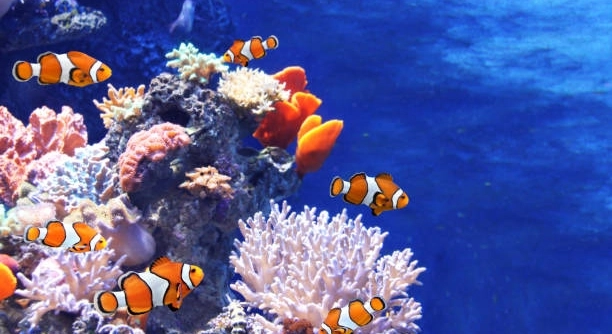
Setting up a tank for clownfish can be a rewarding experience. However, many beginners make simple mistakes that cause stress to these colorful fish. Understanding common errors helps create a healthier environment for your clownfish.
Several tank setup mistakes commonly stress clownfish, including incorrect water parameters, inadequate hiding places, poor tank size, improper lighting, incompatible tank mates, insufficient filtration, and overfeeding. Each factor plays a critical role in the fish’s well-being and stress levels.
Knowing these key mistakes can improve your clownfish’s comfort and health. This article will explain each issue clearly to help you avoid unnecessary stress for your fish.
Incorrect Water Parameters
Clownfish are sensitive to changes in water conditions. The wrong temperature, pH, or salinity can make them stressed and sick. Maintaining stable water parameters is essential for their health. The ideal temperature for clownfish is between 74 and 79°F (23-26°C). The pH should be kept around 8.0 to 8.4, and salinity needs to stay close to 1.020 to 1.025 specific gravity. Sudden changes can shock the fish, causing them to hide or stop eating. Testing the water regularly with proper kits helps catch problems early. It’s easy to overlook small fluctuations, but these affect clownfish greatly. Consistency is key in keeping their tank comfortable and safe. Also, avoid adding chemicals without understanding their impact, as this can worsen the situation. With proper care and attention to these details, your clownfish will thrive and show their true colors.
Water quality directly affects clownfish health and behavior.
Keeping water stable ensures less stress and a happier tank environment for clownfish.
Inadequate Hiding Places
Clownfish need places to hide and feel safe. Without enough shelter, they become anxious and stressed. Rocks, coral decorations, or artificial anemones can provide good hiding spots. These areas help clownfish reduce stress by offering protection when they feel threatened. It also encourages natural behavior and improves their overall well-being. Bare tanks leave fish exposed, which makes them more vulnerable. Creating a balanced environment with enough hiding spots mimics their natural habitat. When fish have a safe place, they are more likely to explore and eat properly. It’s important not to overcrowd the tank with decorations, as this can reduce swimming space. The goal is to provide comfort without limiting movement. Regularly rearranging hiding places can also help keep clownfish mentally stimulated and less stressed. A tank with thoughtful shelter benefits both the fish and the keeper.
Poor Tank Size
A tank that is too small can stress clownfish by limiting their swimming space. It also makes maintaining water quality harder.
Clownfish need enough room to swim freely and establish territory. A tank smaller than 20 gallons often feels cramped for a pair. Small tanks can lead to rapid changes in water conditions, causing stress and illness. Overcrowding increases aggression and competition for space, which is unhealthy. A larger tank provides better stability and more room for decorations and hiding places. This helps reduce stress and supports natural behaviors. Proper tank size plays a major role in maintaining clownfish health and happiness.
Choosing an appropriate tank size from the start saves a lot of trouble later. It creates a more balanced environment that supports your clownfish’s needs long term.
Incompatible Tank Mates
Clownfish can become stressed if housed with aggressive or very active fish.
Aggressive tank mates may bully clownfish, limiting their movement and access to food. Fish that require different water conditions can also create problems. It’s best to choose peaceful species with similar care needs. Avoid large or territorial fish that intimidate clownfish. Compatible tank mates promote harmony and reduce stress. When selecting companions, research their behavior and environmental requirements carefully. This consideration prevents conflicts and helps maintain a calm tank atmosphere. Clownfish thrive best when they don’t feel threatened by others in their space. Creating a peaceful community tank supports their well-being and natural behavior.
Improper Lighting
Lighting that is too bright or too dim can stress clownfish.
Clownfish prefer moderate lighting that mimics their natural environment. Harsh or constant light can make them nervous and hide more often. Adjust lighting to balance their needs and tank aesthetics.
Insufficient Filtration
Good filtration is essential to keep the water clean and safe. Without proper filtration, waste builds up quickly, harming clownfish health. A reliable filter helps maintain water quality by removing toxins and debris. Regular maintenance and cleaning of the filter ensure it works efficiently. This reduces stress and illness risks for your fish.
Overfeeding
Feeding clownfish too much or too often leads to poor water quality. Excess food decays and pollutes the tank, stressing fish. Feed only what they can eat in a few minutes, once or twice daily, to keep the tank clean and fish healthy.
What causes clownfish to become stressed in a tank?
Clownfish can become stressed for many reasons, such as poor water quality, sudden changes in temperature or salinity, lack of hiding places, overcrowding, and incompatible tank mates. Stress also happens when lighting is too bright or if the tank is too small. Overfeeding can pollute the water and cause discomfort. Each of these factors interferes with the clownfish’s natural behavior and health, leading to signs like hiding, loss of appetite, and dull colors. Maintaining stable, clean water and a comfortable environment helps reduce stress and supports their well-being.
How do I know if my clownfish is stressed?
Signs of stress in clownfish include hiding more than usual, loss of appetite, rapid breathing, faded colors, and erratic swimming. Sometimes they may scratch against objects or stay near the surface. These behaviors show the fish is uncomfortable or unwell. Early detection of stress can prevent illness. Regular observation and knowing your fish’s normal behavior are important. If you notice these signs, check water parameters, tank conditions, and tank mates to find and fix the problem quickly.
What is the best tank size for clownfish?
A minimum tank size of 20 gallons is recommended for a pair of clownfish. Larger tanks provide more stable water conditions and enough space for swimming and territory. Small tanks make it difficult to maintain water quality and can cause stress due to limited space. Bigger tanks allow more decorations and hiding places, which make the clownfish feel safe. While clownfish are small, they thrive better with room to move and grow. Choosing an appropriate tank size helps avoid common stressors.
Can clownfish live with other fish?
Yes, clownfish can live with other peaceful species that share similar water needs. Avoid aggressive or very large fish that might bully or stress clownfish. Tank mates should be compatible in size, temperament, and care requirements. Common companions include gobies, blennies, and certain types of damsels. Research each species before adding them to ensure they won’t harm your clownfish or compete aggressively for space or food. A calm community tank promotes healthier, less stressed fish.
How often should I feed my clownfish?
Feed clownfish once or twice a day with only the amount they can eat in about two to three minutes. Overfeeding pollutes the water and stresses the fish. Use high-quality pellet or flake food designed for marine fish, supplemented with frozen or live foods occasionally. Feeding smaller amounts more often is better than giving too much at once. Watch your fish’s behavior and adjust feeding if they seem hungry or leave food uneaten. Proper feeding helps maintain water quality and fish health.
What water parameters are ideal for clownfish?
Clownfish thrive in stable water conditions. The temperature should be kept between 74°F and 79°F (23°C to 26°C). The pH level needs to stay around 8.0 to 8.4, and salinity should be maintained at a specific gravity of 1.020 to 1.025. Ammonia and nitrite levels must always be zero, with nitrate levels kept low through regular water changes. Sudden shifts in these parameters cause stress and illness. Regular testing and proper tank maintenance ensure the water stays within these safe ranges.
How important are hiding places in a clownfish tank?
Hiding places are very important because clownfish use them to feel safe and reduce stress. Natural shelters like live rock or artificial decorations like coral and anemones offer refuge from bright light and aggressive tank mates. Without enough places to hide, clownfish can become anxious and less active. Providing multiple hiding spots encourages natural behavior and gives the fish control over their environment. Well-placed shelters help clownfish feel secure and comfortable in the tank.
What type of lighting is best for clownfish?
Moderate lighting is best for clownfish, mimicking their natural reef environment. Too much bright light can cause stress and force them to hide. Very dim lighting might reduce their activity and color vibrancy. Use a lighting system designed for marine tanks, balancing light intensity and duration. Aim for about 8 to 10 hours of light per day. Proper lighting also supports any live corals or anemones in the tank, creating a healthy, natural setting for clownfish to thrive.
How can I prevent overfeeding in my clownfish tank?
Prevent overfeeding by giving only the amount of food your clownfish can finish within a few minutes. Use a feeding schedule and stick to it, avoiding extra snacks. Remove uneaten food promptly to keep the tank clean. Choose foods that are nutritious but easy to digest. Watching your fish during feeding helps judge their appetite and avoid waste. Overfeeding leads to poor water quality and health issues, so careful portion control is key for a balanced tank environment.
What maintenance helps reduce clownfish stress?
Regular tank maintenance is essential to reduce stress. This includes weekly water testing and partial water changes to keep parameters stable. Clean the filter and remove uneaten food or debris. Monitor temperature and lighting consistency. Keep decorations clean but avoid sudden rearrangements that can confuse fish. Check for signs of illness and address them quickly. Consistent care creates a healthy habitat, reducing stress and helping clownfish live longer and happier lives.
Clownfish are wonderful pets that bring color and life to a home aquarium. However, they require proper care to stay healthy and happy. Many of the problems clownfish face come from mistakes in setting up their tank. These mistakes cause stress, which weakens their immune system and makes them more likely to get sick. Understanding common errors, such as wrong water conditions, poor tank size, or improper feeding, can help prevent these issues. Taking time to learn about clownfish needs and creating the right environment will make a big difference in their well-being.
Keeping water parameters stable and clean is one of the most important steps in caring for clownfish. Regularly checking temperature, pH, and salinity helps avoid sudden changes that stress the fish. A good filtration system keeps the tank free from harmful waste and toxins. Providing enough space and hiding places allows clownfish to feel safe and behave naturally. It is also important to choose peaceful tank mates that won’t cause aggression or competition. Each small detail adds up to a healthier and less stressful life for your clownfish.
Patience and consistency are key when caring for clownfish. It takes time for the tank environment to settle and for fish to adjust. Avoid rushing the setup or making quick changes, as this can upset the balance and increase stress. Feeding should be controlled to prevent overfeeding, which pollutes the water. With regular maintenance and attention to their needs, clownfish can thrive and show their beautiful colors. By avoiding common tank setup mistakes, you give your clownfish the best chance to live a long, comfortable life.

Hello,
If you enjoy the content that we create, please consider saying a "Thank You!" by leaving a tip.
Every little bit helps us continue crafting quality advice that supports the health, happiness, and well-being of pets around the world, for pets of all shapes, sizes, and species.
We really appreciate the kindness and support that you show us!