
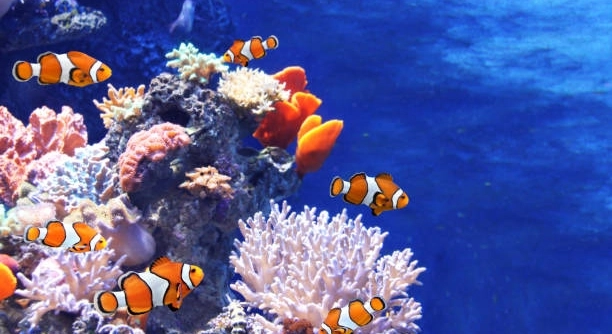
Clownfish are popular in aquariums and oceans for their bright colors and unique behaviors. Sometimes, these small fish suddenly freeze in place, catching the attention of observers. This strange behavior can be surprising to many who watch them.
Clownfish sometimes act frozen as a defense mechanism against predators or environmental stress. This stillness helps them avoid detection and conserve energy during threats, allowing them to better survive in their natural habitats or aquarium settings.
Learning about why clownfish freeze reveals more about their survival instincts and helps aquarium owners care for them properly. Understanding this behavior can improve how we interact with these fascinating fish.
Why Clownfish Freeze: A Survival Tactic
Clownfish freeze mostly to protect themselves from danger. When a predator approaches, moving suddenly might attract attention, so staying still helps them blend into their surroundings. This behavior is common in many small fish as a natural defense. Besides predators, clownfish may freeze if they feel stressed or if there are sudden changes in their environment, like shifts in water temperature or lighting. By staying frozen, they reduce movement and energy use, which helps them stay calm and avoid drawing attention. In an aquarium, they might also freeze if they are unsure of new tank mates or changes around them. This stillness is not a sign of illness but a smart way to handle potential threats. Knowing this can help owners feel less worried when they see their clownfish pause suddenly.
Freezing is a natural, protective response that helps clownfish avoid predators and manage stress. It is a sign of their instinct to survive.
Understanding this behavior helps aquarium keepers create safe spaces where clownfish feel secure and less stressed.
How Environment Affects Clownfish Behavior
Clownfish are sensitive to their environment, and changes can make them freeze. Sudden loud noises, poor water quality, or new tank additions can cause stress. Stress affects their behavior and health, sometimes causing them to stay still more often.
In the wild, clownfish live in coral reefs where conditions are stable, so abrupt changes are rare. In captivity, it is important to keep water clean, maintain stable temperatures, and introduce new fish slowly. This helps clownfish feel safe and reduces freezing episodes. When they freeze due to stress, it’s a sign to check their tank conditions. Adjusting light levels and giving them hiding spots also makes a big difference. A calm environment encourages natural activity, making clownfish healthier and happier over time. Observing these factors helps improve their care and wellbeing in tanks.
The Role of Predators in Clownfish Freezing
Predators trigger clownfish to freeze as a survival reaction. This stillness makes them less visible and less likely to be attacked.
When a predator is nearby, clownfish stop moving and sometimes hide within sea anemones. Sea anemones provide shelter and protection because their stinging tentacles keep predators away. Freezing helps clownfish avoid detection, increasing their chances of survival. This behavior is instinctive and happens quickly, showing how well adapted clownfish are to their environment. Even in aquariums, this reaction can occur if the fish sense sudden threats or disturbances.
Clownfish rely heavily on this freezing tactic to stay safe. It is one of their main defense strategies and helps them live longer despite many dangers in their habitat.
The Impact of Water Quality on Clownfish Behavior
Water quality directly affects how comfortable clownfish feel in their environment. Poor water conditions can stress them and cause unusual behaviors like freezing.
High levels of toxins, incorrect pH, or poor oxygen levels make clownfish uneasy. Stress from poor water quality weakens their immune system and may lead to sickness. This stress can cause the fish to freeze as a way to cope. Maintaining clean water with proper filtration and regular changes is essential. Monitoring water parameters keeps clownfish healthy and reduces their stress responses. A stable environment encourages natural activity and better overall behavior.
Proper water care ensures clownfish stay active and healthy, preventing freezing caused by environmental stress. It also helps them thrive both in captivity and the wild.
How Clownfish Use Their Environment to Stay Safe
Clownfish often freeze near sea anemones, their natural shelter. The anemones’ stinging tentacles protect them from predators.
This close relationship helps clownfish feel secure. When they freeze, they usually stay close to their anemone, using it as a safe zone. This behavior shows how much their environment affects their survival strategies.
Signs That Clownfish Are Stressed
When clownfish freeze too often, it might mean they are stressed. Stress can come from poor tank conditions or changes in their surroundings.
How to Help Your Clownfish Feel Secure
Keep the tank stable and quiet. Avoid sudden changes in light, temperature, or tank mates. Provide hiding places near their anemone to reduce stress and help them feel safe.
Common Misunderstandings About Clownfish Freezing
Freezing is not a sign of illness but a natural defense. It shows how clownfish respond to threats or discomfort in their environment.
FAQ
Why do clownfish sometimes freeze and stay still for a long time?
Clownfish freeze mainly as a defense mechanism to avoid predators. Staying still helps them blend into their surroundings and lowers the chance of being noticed. They may also freeze if they feel stressed or uncomfortable because of changes in their environment. This behavior can last from a few seconds to several minutes depending on the situation. It is a natural response and usually nothing to worry about unless it happens very often or the fish shows other signs of illness.
Is freezing a sign that my clownfish is sick?
Freezing alone is not usually a sign of illness. It is often a protective response. However, if freezing is accompanied by other symptoms like loss of appetite, discoloration, or labored breathing, it might indicate health problems. In such cases, check water quality and observe other behaviors. Poor water conditions or infections can cause stress that leads to freezing and illness. Acting quickly to improve tank conditions and consulting a vet or expert can help your fish recover.
Can stress cause clownfish to freeze?
Yes, stress is a common cause of freezing behavior in clownfish. Stress can result from poor water quality, sudden changes in tank environment, aggressive tank mates, or inadequate hiding spots. When stressed, clownfish may freeze more often to protect themselves or because they feel unsafe. Reducing stress involves maintaining clean water, stable conditions, and providing plenty of places to hide. Monitoring their environment closely helps keep stress levels low.
How long is it normal for a clownfish to stay frozen?
The length of time a clownfish stays frozen varies. Usually, they remain still for a few seconds up to a couple of minutes. Longer freezing periods are less common and might suggest ongoing stress or environmental issues. If a fish freezes for very long periods regularly, it’s important to check water parameters and tank conditions. Sometimes, they freeze briefly as a reaction, then swim normally afterward.
Does freezing help clownfish avoid predators?
Freezing is an effective survival tactic for clownfish. Predators often detect movement, so staying still reduces the chance of being spotted. Clownfish also use their close relationship with sea anemones to hide while frozen. This combination of stillness and shelter greatly improves their ability to avoid danger. It’s an instinctive behavior passed down through generations to increase survival in the wild.
What should I do if my clownfish freezes a lot?
If your clownfish freezes frequently, first check water quality—make sure temperature, pH, ammonia, nitrite, and nitrate levels are all within safe ranges. Look for signs of aggression or bullying from other tank mates that might stress the fish. Providing hiding spots like anemones or decorations can make them feel more secure. Avoid sudden changes in lighting or tank setup. If freezing persists with other symptoms, consider consulting a marine veterinarian or experienced aquarist.
Can freezing be caused by water temperature?
Yes, water temperature plays a role in clownfish behavior. Temperatures that are too high or too low can stress clownfish, making them freeze more often. Stable temperatures within the recommended range (usually around 24–27°C or 75–81°F) help maintain normal activity. Sudden temperature drops or spikes may cause freezing as the fish try to conserve energy or cope with discomfort. Use a reliable heater and thermometer to keep water stable.
Are there other behaviors related to freezing I should watch for?
Along with freezing, watch for hiding more than usual, loss of appetite, or rapid breathing. These signs combined may indicate stress or illness. Sometimes clownfish might also dart suddenly or swim erratically if disturbed. Noticing changes in normal behavior early helps you address any problems before they become serious. Regular observation is key to keeping your clownfish healthy and happy.
Does freezing behavior change with clownfish age?
Younger clownfish may freeze more often because they are smaller and more vulnerable to predators. As they grow and become more confident, freezing may happen less frequently. However, all ages use freezing as a defense when threatened. Understanding this helps you provide age-appropriate care and tank setups that support their natural behavior at every life stage.
Is freezing behavior the same in wild and captive clownfish?
Freezing behavior is similar in both wild and captive clownfish because it is an instinctive survival skill. However, captive clownfish might freeze more due to stress from tank conditions or unfamiliar environments. Wild clownfish live in stable coral reefs with natural shelters, while aquarium settings can vary greatly. Creating a calm, well-structured tank environment helps reduce freezing caused by captivity stress and mimics their natural habitat better.
Clownfish freezing is a natural behavior that helps them survive in the wild and adapt to their surroundings. This stillness serves as a defense against predators, allowing clownfish to blend in and avoid attention. It is also a way for them to cope with stress from changes in their environment, such as new tank mates, water quality issues, or sudden noises. Understanding why clownfish freeze can help aquarium owners feel less worried when they see this behavior. It is important to remember that freezing is usually a sign of their natural instincts at work, rather than a health problem.
Taking good care of clownfish means paying close attention to their environment. Keeping water clean and stable, maintaining the right temperature, and providing plenty of hiding places can reduce stress and encourage healthy behavior. Changes in the tank should be made slowly to avoid upsetting the fish. Watching for other signs like loss of appetite, discoloration, or unusual swimming can help catch potential health issues early. When clownfish feel safe and comfortable, they are less likely to freeze for long periods. Creating a calm tank environment benefits the fish’s well-being and allows them to show their natural, active behaviors.
In the end, freezing is just one of the many ways clownfish protect themselves and adjust to their surroundings. It is a useful reminder that fish rely on instincts to survive. Knowing this helps us become better caretakers, offering them a home that respects their needs. By observing and understanding clownfish behavior, we can support their health and happiness, whether in a home aquarium or in nature. This simple but important behavior shows how smart and adaptable these fish really are.

Hello,
If you enjoy the content that we create, please consider saying a "Thank You!" by leaving a tip.
Every little bit helps us continue crafting quality advice that supports the health, happiness, and well-being of pets around the world, for pets of all shapes, sizes, and species.
We really appreciate the kindness and support that you show us!