
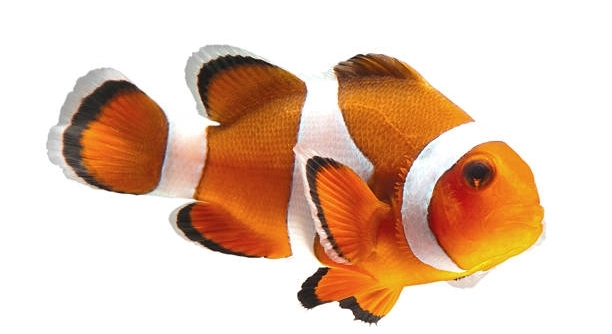
Clownfish are known for their close relationship with sea anemones. Many people wonder if clownfish can form bonds without the presence of an anemone nearby. This connection is important for their safety and social behavior.
Clownfish can bond without an anemone, but these bonds tend to be less stable and less protective. Anemones provide shelter and a safe environment that enhances social bonding and reduces stress among clownfish. Without anemones, interactions are more limited and less secure.
Learning how clownfish behave without their usual hosts helps us better understand their needs and improve their care in different environments.
Why Clownfish Need Anemones
Clownfish and anemones have a unique relationship that benefits both. Anemones provide protection with their stinging tentacles, which keep predators away. Clownfish are immune to these stings due to a special mucus on their skin. This safety allows clownfish to live comfortably and build social bonds within their group. Without an anemone, clownfish are more exposed to threats and stress. This makes it harder for them to feel secure and maintain strong social connections. The anemone also offers a safe place to rest and lay eggs. Its presence encourages clownfish to stay in one spot, fostering more interaction and cooperation among the group. When anemones are missing, clownfish might scatter or act more cautiously. This lack of shelter affects their daily behaviors and overall well-being.
Anemones are not just homes; they create a safe space that promotes bonding and social stability among clownfish.
Understanding this connection helps us see why clownfish struggle without anemones nearby.
Clownfish Behavior Without Anemones
Clownfish without anemones show more cautious and solitary behavior. They tend to avoid open spaces and are less active.
When clownfish lack anemones, they often seek shelter in coral crevices or rocks. However, these places do not offer the same protection, causing increased stress. Social bonds become weaker because clownfish do not gather as closely or interact as much. This can affect their feeding and breeding habits. Without the safety net of an anemone, clownfish may also face higher risks from predators, which can influence their behavior toward hiding or fleeing more often. Their daily routines become more focused on survival rather than social activities or reproduction. This situation shows the important role anemones play not only as protection but also as a base for their social life and health. Keeping clownfish with their host anemones can ensure they thrive and behave naturally.
Alternative Shelter Options for Clownfish
Clownfish will use coral or rocky crevices when anemones are absent. These spots offer some protection but not the same safety as anemones provide. Shelter quality affects their stress levels and social interactions.
While coral and rocks can serve as temporary hiding places, they lack the stinging defense anemones provide. Clownfish without anemones may be more vulnerable to predators in these shelters. These alternative shelters also don’t encourage the same social bonding because clownfish feel less secure. Over time, this can affect their health and behavior. Providing anemones in captivity helps maintain natural clownfish patterns and reduces stress, making it easier for them to thrive.
In nature, clownfish sometimes adapt to less ideal shelters, but this is rarely a perfect substitute. Their survival depends heavily on the protection anemones offer, showing why these relationships are so important.
Impact on Clownfish Health Without Anemones
Clownfish kept without anemones often show increased stress and weaker immune responses. Stress affects their ability to fight disease and maintain energy. A lack of proper shelter means they spend more time hiding or fleeing.
Without the safety anemones provide, clownfish may eat less or behave anxiously, which can lead to poor overall health. Their immune systems become less effective, making them more vulnerable to infections. This stress also lowers their chances of successful breeding. In controlled environments, clownfish with anemones tend to have better health and longer lifespans. Providing anemones supports natural behaviors and promotes a healthier environment. Without this support, clownfish face ongoing challenges that affect their well-being and survival chances. This highlights the importance of maintaining proper habitats for clownfish care.
Can Clownfish Survive Long-Term Without Anemones?
Clownfish can survive without anemones, but long-term survival is challenging. They face more risks from predators and stress that can weaken them over time.
Without anemones, clownfish may live shorter lives and show altered behaviors. Shelter and protection are critical for their health and social needs.
How Clownfish Adapt When Anemones Are Missing
Clownfish adapt by finding other shelters like rocks or coral crevices and becoming more cautious. They may reduce their movement and avoid open water. These changes help them survive but limit normal social interactions and breeding behaviors. Adaptation can keep them alive but usually at a cost to overall health and natural behavior patterns.
Tips for Keeping Clownfish Healthy Without Anemones
Providing plenty of hiding spots and reducing stressors is essential to keep clownfish healthy when anemones are not present.
FAQ
Can clownfish live happily without anemones?
Clownfish can live without anemones, but their quality of life often decreases. They lose the protection and safe space anemones provide, which can lead to stress and more cautious behavior. While they may survive, their natural habits, like breeding and social bonding, are affected. Clownfish kept in tanks without anemones need extra care to reduce stress and provide hiding spots.
Do clownfish need anemones to breed?
Anemones create a safe environment that encourages breeding by reducing stress and offering shelter for eggs. Without anemones, clownfish may breed less often or fail to protect their eggs properly. Breeding is possible without anemones but less successful because of increased vulnerability and stress. Providing anemones improves chances of natural reproduction in both wild and captive settings.
What happens if clownfish don’t have anemones in captivity?
In captivity, clownfish without anemones often show signs of stress, like hiding or reduced activity. They might be more prone to illness due to weakened immune systems. Tanks without anemones should have plenty of rocks or coral to offer some shelter. Keeping water conditions stable and feeding well also helps maintain their health without anemones.
Can clownfish form bonds without anemones?
Yes, clownfish can form bonds without anemones, but these bonds are usually weaker and less stable. Anemones provide a shared safe space that helps build trust and social connections. Without this, clownfish may keep more distance or act more cautiously, which can limit interaction and group cohesion.
Are there specific types of clownfish better suited to live without anemones?
Some clownfish species show more flexibility in shelter choices than others. For example, certain species may tolerate alternative hiding spots like corals or rocks better. However, no species truly thrives long-term without anemones, as the protective benefits are crucial for all clownfish.
How can I help my clownfish if I don’t have an anemone?
Create plenty of hiding places with live rock or coral in the tank. Keep water clean and stable to reduce stress. Feed a balanced diet regularly and avoid sudden changes that might upset the fish. Monitoring their behavior closely helps spot stress early. Adding an anemone when possible is the best way to support natural clownfish needs.
Do clownfish stay close to anemones all the time?
Clownfish usually stay near their host anemone for protection but will leave occasionally to feed or explore nearby areas. The anemone acts as a home base. Without anemones, clownfish tend to stay closer to other forms of shelter or stay more hidden to feel safe.
Is it harmful to keep clownfish and anemones together in a tank?
Keeping clownfish and anemones together is natural and generally safe if tank conditions meet both species’ needs. Anemones require proper lighting and water quality, and clownfish help keep the anemone clean by removing debris and parasites. Problems arise only if tank conditions are poor or if the species are incompatible.
Why do clownfish prefer certain anemones?
Clownfish prefer anemones with specific types of stinging cells they can tolerate. This immunity allows them to safely live among the tentacles. The choice of anemone also depends on the species of clownfish, as some have co-evolved with certain anemone species. This relationship supports both their protection and breeding habits.
Can clownfish survive with artificial anemones?
Artificial anemones can provide visual shelter and reduce stress but don’t offer the same protection or biological benefits as real anemones. They cannot sting predators or help with cleaning. Artificial alternatives may help in a pinch but should not replace live anemones if the goal is to keep clownfish healthy and behaving naturally.
How do clownfish protect themselves without anemones?
Without anemones, clownfish rely on camouflage and hiding in coral or rocky crevices. They are more cautious and avoid open areas. This defensive behavior helps them avoid predators but limits their movement and social interaction. The lack of a stinging host means clownfish lose a key defense strategy.
What signs show clownfish are stressed without anemones?
Signs include hiding constantly, reduced eating, erratic swimming, and changes in color or behavior. Stress can lead to weaker immune systems, making clownfish prone to disease. Observing these signs early allows caretakers to improve conditions by adding shelter or reducing disturbances.
Can clownfish and anemones survive without each other?
Clownfish and anemones can survive separately, but their relationship is mutually beneficial and increases survival chances. Anemones get cleaned by clownfish and receive nutrients, while clownfish gain protection. Without this partnership, both species miss advantages that help them thrive in nature.
What should I avoid when keeping clownfish without anemones?
Avoid overcrowding the tank and sudden water changes, which increase stress. Don’t rely solely on artificial shelters without proper hiding spots. Also, avoid aggressive tank mates that can stress or harm clownfish lacking natural protection. Keeping a calm environment is key for their well-being.
Are clownfish more aggressive without anemones?
Clownfish may become more defensive or shy without anemones but are not necessarily more aggressive. Stress and lack of shelter can cause them to hide or flee more often. Aggression tends to decrease without a secure home base, as fish focus on avoiding danger rather than competing.
Clownfish and anemones share a unique bond that benefits both in many ways. Anemones provide clownfish with shelter and protection from predators, while clownfish help keep the anemone clean and safe from harmful creatures. This relationship is important for the health and safety of clownfish. Without anemones, clownfish can still survive, but their lives are more challenging. They lose a key part of their natural environment, which can increase stress and make it harder for them to behave normally. The absence of anemones can affect how clownfish socialize, feed, and reproduce, which shows just how important these animals are to one another.
Living without anemones means clownfish must find other places to hide, such as coral or rocks. These shelters offer some protection but not nearly as much as anemones. Without the safety anemones provide, clownfish become more cautious and less active, which can reduce their overall well-being. In captivity, this can lead to weaker immune systems and shorter lifespans. Providing anemones in tanks helps clownfish feel more secure and behave naturally, leading to better health and longer life. Even though clownfish may adapt to alternative shelters, these places don’t replace the unique benefits anemones offer.
For those keeping clownfish without anemones, it is important to create a safe and comfortable environment. Adding plenty of hiding spots, keeping water conditions stable, and offering proper food can help reduce stress. Still, it is clear that clownfish thrive best when they have anemones nearby. Understanding this relationship helps us care for clownfish better, whether in the wild or in tanks. Knowing the role anemones play encourages responsible care and supports the well-being of these colorful and fascinating fish.

Hello,
If you enjoy the content that we create, please consider saying a "Thank You!" by leaving a tip.
Every little bit helps us continue crafting quality advice that supports the health, happiness, and well-being of pets around the world, for pets of all shapes, sizes, and species.
We really appreciate the kindness and support that you show us!