
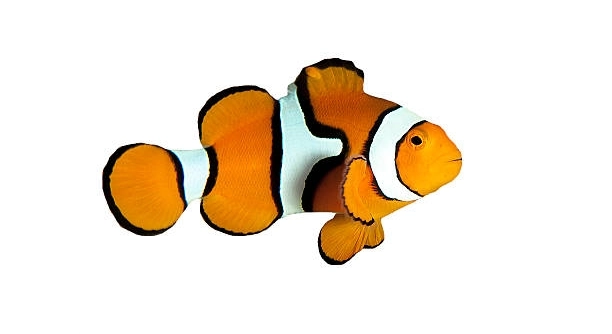
Clownfish tanks can be a rewarding hobby, but beginners often face common issues that affect the health of their fish and the tank environment. Managing water quality, feeding, and tank maintenance properly is key to a thriving clownfish habitat. Small adjustments can make a big difference in tank success.
Quick fixes for clownfish tanks include monitoring water parameters, regular cleaning, proper feeding schedules, adequate filtration, maintaining temperature, managing lighting, and ensuring compatible tank mates. These steps help stabilize the environment and promote fish health efficiently.
These practical tips will help new tank owners avoid common mistakes and improve their clownfish care routine quickly and confidently.
Monitor Water Parameters Regularly
Keeping an eye on water parameters is essential for a healthy clownfish tank. The most important factors to check are ammonia, nitrite, nitrate, pH, and salinity. Ammonia and nitrite should always be at zero because they are toxic to fish. Nitrate should be kept low through regular water changes. pH should stay stable between 7.8 and 8.4, and salinity must be consistent, around 1.020 to 1.025 specific gravity. Test kits are affordable and easy to use, making regular checks simple. If any levels are off, act quickly by doing partial water changes or adjusting equipment. I learned early on that ignoring these checks leads to stressed fish and algae problems. Small, frequent adjustments are better than big changes that shock your tank. With steady monitoring, your clownfish will feel safer and more comfortable in their home.
Water tests help catch problems early before fish health declines or tank conditions worsen.
Tracking parameters every week prevents major tank imbalances and keeps your clownfish thriving.
Clean the Tank and Equipment Frequently
Regular cleaning is crucial for maintaining a healthy tank environment. Cleaning means changing about 10-20% of the water weekly to remove waste and toxins. The substrate and decorations should be gently rinsed to prevent algae buildup. Avoid using soap or harsh chemicals; just use aquarium-safe tools. The filter media also needs cleaning, but only in tank water to preserve beneficial bacteria. Over-cleaning can disturb these bacteria and cause water quality issues, so balance is important. While it can feel like a lot at first, cleaning keeps the tank clear and fish happy. It also prevents cloudy water and bad odors that make the tank less enjoyable to watch. Consistent maintenance saves time in the long run by avoiding bigger problems caused by neglect.
Good cleaning habits help maintain water clarity and balance in the tank, which are key for clownfish health. Regular care supports a stable environment and reduces stress for your fish. Proper cleaning practices will keep your tank looking its best.
Feed Your Clownfish Properly
Overfeeding can quickly ruin water quality and harm your clownfish. Feed small amounts once or twice a day. Use high-quality pellets or frozen foods designed for marine fish.
Feeding the right amount keeps the tank cleaner and reduces waste buildup. It also prevents your clownfish from becoming overweight or sick. I found that sticking to a strict feeding schedule makes a big difference in water clarity. Avoid feeding leftovers that sink to the bottom as they cause ammonia spikes. If you notice uneaten food after a few minutes, reduce the portion next time. Balanced feeding supports fish health and tank stability.
Choose a varied diet including pellets, flakes, and occasional treats like brine shrimp or mysis shrimp. This variety provides essential nutrients and keeps your clownfish active.
Maintain Proper Filtration
A strong filtration system is vital for keeping the water clean and safe. Filters remove waste, toxins, and uneaten food, reducing harmful chemicals in the water.
There are several filter types, but for clownfish tanks, a canister or hang-on-back filter with mechanical, chemical, and biological media is best. Mechanical media traps debris, chemical media removes impurities, and biological media houses beneficial bacteria. Regular maintenance of the filter is necessary to keep it running efficiently. I learned that skipping filter cleaning leads to clogging and poor water flow, which stresses fish. Make sure the filter size matches your tank’s volume and avoid over-filtering, which can create strong currents that bother clownfish. Proper filtration maintains water clarity and helps keep the tank environment stable.
Maintain Stable Temperature
Clownfish thrive in temperatures between 74°F and 78°F. Use a reliable aquarium heater and thermometer to keep the water steady.
Sudden temperature changes stress your fish and can cause illness. I always check the temperature daily to avoid surprises, especially during seasonal shifts.
Manage Lighting Properly
Proper lighting supports tank health without causing excess algae growth. Use a timer to keep lights on for 8 to 10 hours daily. This schedule mimics natural conditions and helps your clownfish stay healthy. Avoid leaving lights on overnight to prevent algae overgrowth and keep the tank balanced.
Choose Compatible Tank Mates
Not all fish get along well with clownfish. Choose peaceful species that won’t bully or stress your clownfish. Avoid aggressive or overly large fish.
Avoid Overcrowding
Too many fish in one tank can lead to poor water quality and stress. Keep the number of fish appropriate for your tank size to ensure a healthy environment.
FAQ
How often should I test the water in my clownfish tank?
Testing your water once a week is enough for most beginners. This helps you catch problems early before they affect your fish. Use easy-to-read test kits for ammonia, nitrite, nitrate, pH, and salinity. If anything is off, take action immediately with water changes or equipment adjustments. In new tanks, test more frequently until the cycle stabilizes.
What is the best food for clownfish?
Clownfish do well on a mix of high-quality marine pellets or flakes, along with frozen or live foods like brine shrimp or mysis shrimp. Feeding a variety of foods ensures they get the right nutrients and stay healthy. Avoid overfeeding, as leftover food pollutes the water. Feeding small portions once or twice daily works best.
Why is my clownfish hiding all the time?
Clownfish often hide when stressed or sick. Poor water quality, sudden changes, or aggressive tank mates can cause hiding. Check water parameters and observe other fish behavior. Make sure the tank environment feels safe with plenty of hiding spots. If hiding continues, look for signs of illness like discoloration or slow movement.
How do I prevent algae buildup?
Control lighting by using timers to keep lights on 8-10 hours a day. Avoid overfeeding, since excess food fuels algae growth. Regular water changes and cleaning surfaces also help. Adding algae-eating snails or cleaner fish can assist, but don’t rely on them alone. Maintaining good water quality is the most important factor.
Can I keep clownfish with other species?
Yes, but choose peaceful tank mates. Avoid aggressive or large fish that may bully your clownfish. Suitable companions include gobies, small blennies, and some types of damsels. Always research compatibility before adding new fish. Watch how your clownfish reacts to new tank mates and be ready to separate if needed.
How much water should I change and how often?
A 10-20% water change every week or two is ideal. This removes waste, toxins, and excess nutrients that build up over time. Use water that matches the tank’s temperature and salinity. Regular water changes help keep your clownfish healthy and the tank stable. Avoid large changes all at once, which can stress the fish.
What filter type is best for a clownfish tank?
A filter that combines mechanical, chemical, and biological filtration is best. Mechanical removes debris, chemical removes impurities, and biological media houses good bacteria. Canister and hang-on-back filters are popular choices for their effectiveness and ease of maintenance. Make sure the filter size fits your tank volume.
Why is my clownfish not eating?
Loss of appetite can be due to stress, poor water conditions, illness, or sudden changes in the environment. Check water quality and tank conditions first. If everything seems fine, try offering different foods or feeding smaller amounts. If your clownfish still refuses to eat after a few days, consult a vet or experienced aquarist.
How can I tell if my clownfish is healthy?
Healthy clownfish are active, have bright colors, and swim confidently. They should respond to feeding and explore their surroundings. Watch for signs of illness like faded colors, lethargy, rapid breathing, or unusual spots. Regular observation helps catch problems early.
Is it okay to keep just one clownfish?
Yes, clownfish can live alone, but they often do better in pairs. A bonded pair provides social interaction, which reduces stress. If you keep one, make sure the tank environment is enriching with hiding places and good water quality. Avoid overcrowding if adding more fish later.
Maintaining a clownfish tank may seem challenging at first, but with the right steps, it becomes much easier and more enjoyable. Paying attention to water quality, feeding, cleaning, and equipment helps create a stable environment for your fish. Consistency is key—small, regular actions keep the tank healthy and your clownfish happy. Over time, these habits will become part of your routine, reducing stress for both you and your fish.
A well-kept tank not only supports the health of your clownfish but also makes the aquarium more pleasant to watch. Clear water, active fish, and balanced lighting make a big difference in the overall experience. Taking time to learn about your tank’s needs and observing how your fish respond to changes will improve your skills. Remember, it’s normal to face some problems at the start, but each issue is a chance to learn and improve your care routine.
Finally, patience is important in keeping clownfish tanks. Changes in water parameters or fish behavior may take time to show results. Avoid making big adjustments all at once, as this can cause stress. Instead, make small, steady improvements. By doing so, you’ll build a healthy tank that supports the long-term well-being of your clownfish. With dedication and simple care, you can enjoy a beautiful and thriving marine aquarium.

Hello,
If you enjoy the content that we create, please consider saying a "Thank You!" by leaving a tip.
Every little bit helps us continue crafting quality advice that supports the health, happiness, and well-being of pets around the world, for pets of all shapes, sizes, and species.
We really appreciate the kindness and support that you show us!