
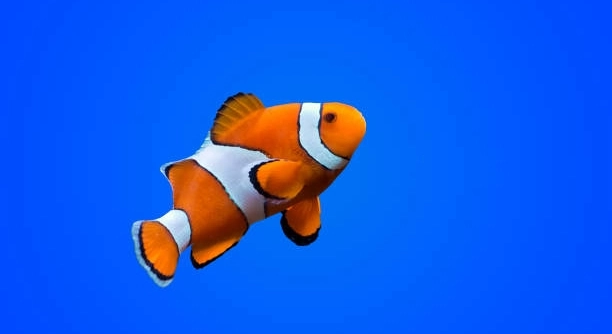
Clownfish are popular pets in home aquariums because of their bright colors and interesting behavior. Sometimes, these fish swim in circles, which can be puzzling to observe. Understanding why they do this helps keep them healthy and comfortable.
Clownfish swimming in circles can be caused by stress, poor water quality, illness, injury, parasites, lack of space, or changes in their environment. Each factor affects their behavior differently and requires specific attention to maintain their well-being.
Knowing the causes of this behavior is important for maintaining a healthy environment for clownfish. This article will explain the key reasons behind their circular swimming.
Stress and Its Impact on Clownfish Behavior
Stress is one of the most common reasons clownfish swim in circles. Changes in the tank environment, such as sudden movements, loud noises, or the introduction of new fish, can cause stress. When stressed, clownfish may exhibit unusual swimming patterns, including circling. This behavior is a sign they are uncomfortable or trying to cope with the change. Poor water quality or incorrect temperature can also contribute to stress, making the fish restless. Keeping the tank stable and calm helps reduce stress. Monitoring water conditions regularly and avoiding abrupt changes are essential steps to keep clownfish relaxed. Stress affects their immune system, making them vulnerable to diseases, so it is important to create a peaceful environment.
Stress in clownfish often shows through erratic swimming, including circles. Addressing tank conditions and environmental factors usually improves their behavior.
Maintaining a stable environment is key to preventing stress in clownfish. Ensuring proper water parameters like temperature, pH, and cleanliness can significantly reduce stress. Avoid overcrowding the tank and introduce new fish slowly to help clownfish adjust. Giving them hiding spots or plants can create a sense of security. Consistency in feeding and tank maintenance also supports their well-being. When clownfish feel safe and their surroundings are stable, they are less likely to swim in circles due to stress. Paying attention to these details can make a noticeable difference in their behavior and overall health.
Poor Water Quality Effects
Poor water quality quickly impacts clownfish health. High ammonia or nitrite levels make them uncomfortable, leading to abnormal swimming, including circling.
Water quality problems can cause severe stress and physical harm. Ammonia and nitrite build up from waste and uneaten food, which can irritate the fish’s gills and skin. This irritation causes the clownfish to swim irregularly as they try to relieve discomfort. Low oxygen levels or incorrect pH can also contribute to this behavior. Regular testing and timely water changes are necessary to keep the water clean. Using a good filtration system helps maintain water clarity and chemical balance. Avoid overfeeding, which increases waste, and remove debris promptly. Healthy water conditions reduce the risk of illness and stress, allowing clownfish to swim normally and thrive.
Keeping water clean through routine care supports clownfish health. Proper filtration and regular testing prevent toxic buildup and encourage normal behavior.
Illness and Parasites
Illness can cause clownfish to swim in circles. Common infections affect their balance and swimming ability.
Bacterial, fungal, and parasitic infections can interfere with a clownfish’s nervous system or cause physical discomfort. Parasites like marine ich or flukes attach to their bodies, leading to irritation and abnormal swimming. These health issues often result from stress or poor water quality. Early signs include lethargy, loss of appetite, or visible spots on the fish. Treating illness quickly with proper medication and quarantine helps prevent spreading to other fish. Maintaining a clean tank and reducing stress lowers the chance of infections and parasites.
Regular observation helps spot illness early. Ensuring quarantine for new fish and using recommended treatments keeps clownfish healthier and less prone to erratic swimming caused by parasites or disease.
Lack of Space and Environmental Changes
Clownfish need enough room to swim comfortably. Crowded tanks or sudden environment changes cause stress and circular swimming.
A cramped tank limits movement and can make clownfish feel trapped, increasing stress and unusual behaviors. Environmental changes, such as rearranging decorations or shifting the tank location, disrupt their sense of safety. Clownfish rely on stable surroundings to feel secure and swim normally. Insufficient space can also lead to territorial disputes with other fish, causing more stress and erratic movements. Providing adequate space and keeping the tank layout consistent helps prevent these issues. Observing their behavior after any changes allows early intervention to reduce stress. Proper tank size and environment stability support healthy swimming patterns and reduce unwanted circling behaviors.
Injury and Physical Damage
Injuries can cause clownfish to swim in circles. Damage to their fins or body affects balance and movement.
An injured clownfish may swim irregularly as it tries to compensate for pain or limited mobility. Injuries often happen from rough tank mates or sharp objects in the tank. Removing hazards and providing a calm space supports healing and normal behavior.
Social Dynamics in the Tank
Clownfish establish social hierarchies that influence their behavior. Swimming in circles can signal dominance or submission.
Aggressive interactions may lead some clownfish to swim repetitively as part of their social display. Observing tank mates and adjusting fish numbers can reduce conflict and promote harmony.
Lack of Proper Nutrition
Poor diet affects clownfish energy and health, causing strange swimming patterns like circling. Balanced feeding supports their normal behavior.
FAQ
Why does my clownfish swim in circles suddenly?
Sudden circling can result from stress due to changes in the tank, illness, or injury. It might also be a response to poor water quality or the presence of parasites. Observing other signs like color changes or hiding can help identify the cause.
How can I reduce stress for my clownfish?
Keep the tank environment stable by avoiding sudden changes in lighting, temperature, or decorations. Maintain good water quality with regular testing and cleaning. Provide hiding spots and avoid overcrowding. Introducing new fish slowly also helps reduce stress.
What water parameters are best for clownfish?
Ideal water temperature is between 75 and 82°F (24–28°C). The pH should stay between 8.0 and 8.4, and salinity around 1.020 to 1.025 specific gravity. Ammonia and nitrite levels must be zero, while nitrates should remain low.
Can poor diet cause abnormal swimming?
Yes, a poor diet lacking in essential nutrients weakens clownfish and can lead to unusual behavior like circling. Feeding a varied diet of quality pellets, frozen foods, and occasional live food supports their health.
What should I do if my clownfish is sick?
Isolate the fish in a quarantine tank if possible. Identify symptoms and consult with an expert or veterinarian for proper treatment. Use recommended medications carefully and maintain clean water during recovery.
How do parasites affect clownfish behavior?
Parasites irritate the skin and gills, causing discomfort and difficulty swimming properly. This can make clownfish swim in circles or scratch against objects. Treating the tank and infected fish promptly helps control parasite outbreaks.
Is tank size important for clownfish behavior?
Yes, an appropriately sized tank allows clownfish enough space to swim naturally. Crowded tanks cause stress and territorial disputes, often leading to repetitive or erratic swimming.
How often should I clean the tank to prevent issues?
Regular partial water changes, about 10-20% weekly, help maintain water quality. Cleaning filters and removing uneaten food and waste prevent toxic buildup that can harm clownfish and cause abnormal behavior.
Can other fish cause my clownfish to swim in circles?
Aggressive or territorial tank mates may stress clownfish, leading to unusual swimming patterns. Observing fish interactions and separating aggressive individuals can reduce this problem.
Are there any signs that show my clownfish is healing?
Improved swimming control, normal appetite, and reduced hiding are positive signs. Color returning to normal and less erratic behavior also indicate recovery. Patience and proper care support healing.
Clownfish swimming in circles is a behavior that can have several causes. It is important to understand that this behavior often signals an underlying issue affecting the fish’s health or environment. Common causes include stress, poor water quality, illness, injury, parasites, lack of space, and changes in the tank environment. Each factor can influence how a clownfish behaves and swims. Recognizing these causes helps in providing the right care to improve their well-being and prevent further problems.
Taking care of clownfish requires regular attention to their tank conditions. Maintaining stable water parameters such as temperature, pH, and cleanliness is essential. Stress is one of the leading reasons for abnormal swimming, so creating a calm and consistent environment is very important. This includes avoiding sudden changes, overcrowding, and aggressive tank mates. Feeding clownfish a balanced diet and monitoring their health closely will also support their normal behavior. Early detection of any health problems, including infections or parasites, allows for timely treatment and recovery.
Overall, paying close attention to the needs of clownfish can make a big difference in their behavior and quality of life. Swimming in circles may seem unusual, but it is often a sign that something needs attention. By ensuring clean water, enough space, proper nutrition, and minimal stress, clownfish can thrive and swim naturally. Being proactive with tank care and health monitoring helps prevent many common issues and keeps these fish happy and healthy in their home environment.

Hello,
If you enjoy the content that we create, please consider saying a "Thank You!" by leaving a tip.
Every little bit helps us continue crafting quality advice that supports the health, happiness, and well-being of pets around the world, for pets of all shapes, sizes, and species.
We really appreciate the kindness and support that you show us!