
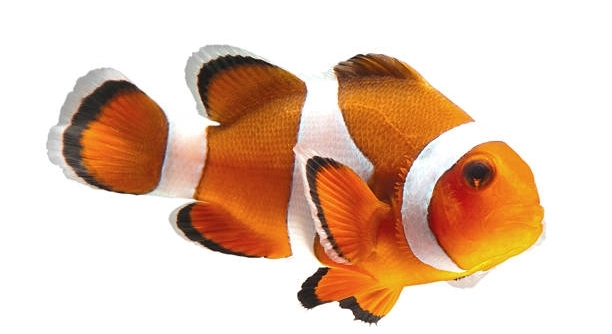
Clownfish are popular in home aquariums for their bright colors and interesting behavior. Many fishkeepers want to know which tankmates can live peacefully with clownfish. Finding compatible species helps create a balanced and stress-free environment.
Clownfish may tolerate certain unusual tankmates that are generally non-aggressive and occupy different niches in the aquarium. These can include some species of gobies, blennies, shrimps, and small reef-safe fish, which coexist without competition or hostility.
Understanding these unique combinations can improve your tank’s harmony. This guide highlights options that expand beyond typical pairings while keeping your clownfish comfortable.
Uncommon Fish That Coexist Well with Clownfish
Some fish species can live alongside clownfish without causing stress or aggression. Gobies and blennies are often good choices because they tend to stay near the bottom or hide in crevices, which keeps them out of the clownfish’s way. Certain small wrasses also fit well since they usually swim in different areas and do not compete for the same space. It is important to pick species that are peaceful and not overly territorial. Avoid aggressive or very large fish, as these can intimidate clownfish and disrupt tank balance. Observing how your fish interact early on helps ensure they adjust well to each other.
Choosing these unusual companions can add diversity to your tank without risking conflict. Keep in mind that individual fish personalities may vary. Always monitor behavior and make changes if needed. Proper hiding spots and a well-structured tank environment support peaceful coexistence among different species.
Maintaining stable water conditions and providing enough space are key factors for success. Each species has unique needs, so researching compatibility and diet helps create a healthy community. By carefully selecting less common tankmates, you can enjoy a varied and peaceful aquarium that includes your clownfish.
The Role of Invertebrates as Tankmates
Invertebrates like shrimps and snails are often overlooked but can live well with clownfish. These creatures help clean the tank by eating algae and leftover food. They usually do not compete for space or food with clownfish and add movement and interest to the aquarium environment.
Shrimps such as cleaner shrimps and peppermint shrimps are excellent companions. They help keep parasites off fish and rarely disturb clownfish. Snails, including turbo and nerite species, are effective at controlling algae growth and will not bother the clownfish. These invertebrates contribute to a balanced ecosystem, making the tank more natural and visually appealing. Their presence supports water quality, reducing maintenance needs. Including invertebrates creates a more dynamic and healthier tank while allowing your clownfish to remain comfortable and undisturbed.
Less Common Fish Choices
Some less common fish can peacefully share a tank with clownfish if their behavior and size are compatible. These species often avoid direct competition or aggression.
For example, small cardinalfish and certain dartfish are known to tolerate clownfish well. Cardinalfish tend to be calm and occupy mid-water zones, while dartfish stay closer to the bottom or reef structures. Both are generally peaceful and do not challenge clownfish for territory or food. When adding these fish, it is important to ensure the tank is spacious enough to reduce stress and territorial disputes. Careful observation during the introduction phase helps confirm compatibility and prevent issues.
Additionally, some small wrasse species such as the six-line wrasse can coexist with clownfish, provided they are introduced carefully. Six-line wrasses are active swimmers but usually not aggressive toward clownfish. They help by hunting small pests and add vibrant movement to the aquarium. Like with any fish, compatibility depends on individual temperament and tank setup.
Introducing Other Invertebrates
Sea anemones are the classic companions for clownfish, offering a natural symbiotic relationship. However, some other invertebrates can live nearby without causing problems.
Cleaner shrimps not only coexist well but also benefit the clownfish by removing parasites. Feather dusters and small coral species create a diverse environment, adding texture and shelter. These invertebrates usually do not compete for resources or space. Their presence enhances the tank’s ecosystem, supporting both clownfish health and visual appeal. Managing water quality and feeding routines helps maintain balance when adding multiple invertebrate types. This variety adds interest and promotes a natural tank setting.
Quiet Tankmates for Clownfish
Certain peaceful fish make excellent tankmates by keeping a low profile. They don’t compete for space or food and allow clownfish to feel secure.
Small species like pygmy angelfish or some dartfish fall into this category. They remain calm and help maintain balance without stress or aggression.
Avoiding Aggressive Species
It is best to avoid aggressive or territorial fish. These can intimidate or harm clownfish, disrupting the tank’s harmony.
Examples include larger damselfish or triggerfish. These species often fight over territory and cause stress, which can negatively impact clownfish health.
Tank Setup Considerations
Providing plenty of hiding spots and live rock benefits all tank inhabitants. It reduces stress and helps shy species coexist. Proper lighting and water flow also play important roles in creating a comfortable environment.
This setup supports peaceful interactions and encourages natural behavior among clownfish and their tankmates.
Final Tips
Monitor fish behavior closely after introducing new tankmates. Early detection of conflict helps avoid serious problems.
FAQ
What are some unusual tankmates that clownfish might tolerate?
Clownfish can often tolerate tankmates like certain gobies, blennies, small wrasses, and various shrimps. These species are generally peaceful and do not compete aggressively for space or food. They occupy different areas of the tank, which reduces conflict. Invertebrates like cleaner shrimps and snails also coexist well with clownfish by helping with tank maintenance without disturbing them.
Can clownfish live with anemones and other invertebrates?
Yes, clownfish have a natural relationship with some sea anemones, which provide protection and shelter. Besides anemones, cleaner shrimps and small coral species can live alongside clownfish peacefully. These invertebrates usually do not compete with clownfish and contribute to a healthy, balanced tank ecosystem.
Are there any fish species that should be avoided with clownfish?
Aggressive or highly territorial fish such as larger damselfish, triggers, or some types of cichlids should be avoided. These fish may harass or stress clownfish, which can lead to injury or poor health. Selecting peaceful, non-aggressive species is essential for a harmonious tank environment.
How important is tank size when mixing clownfish with unusual tankmates?
Tank size plays a key role in compatibility. A larger tank provides enough space for each species to establish its own territory and reduces competition. Smaller tanks can increase stress and aggression as fish may feel cramped. Always ensure the tank size suits the number and types of species you plan to keep together.
What tank conditions help ensure peaceful coexistence?
Providing plenty of hiding spots with live rock and coral structures is essential. These spaces allow shy or smaller fish to retreat when needed. Maintaining stable water parameters, proper lighting, and adequate filtration also supports fish health and reduces stress. A well-planned tank setup encourages natural behavior and reduces conflicts.
Can clownfish share a tank with other clownfish species?
Some clownfish species can live together if the tank is large enough and territories do not overlap. However, clownfish are often territorial and may become aggressive toward other clownfish, especially if space is limited. Careful monitoring is necessary when mixing species to avoid fighting.
Do clownfish require special care when housed with unusual tankmates?
Clownfish do not require drastically different care, but it is important to meet the needs of all species in the tank. Feeding habits, water temperature, and compatibility should be considered. Some tankmates may have specific dietary needs or prefer different water flow. Balancing these factors keeps all inhabitants healthy.
How can I introduce new tankmates to clownfish to reduce stress?
Introduce new fish or invertebrates slowly and monitor interactions closely. Using a quarantine tank before adding them to the main aquarium helps prevent disease. Rearranging tank decorations before introducing new tankmates can disrupt established territories, reducing aggression. Patience and observation during this period are key.
What signs indicate that tankmates are not compatible with clownfish?
Signs include chasing, nipping, hiding, or unusual aggression from either party. Clownfish may become withdrawn or show physical damage. Unexplained stress behaviors like loss of appetite or erratic swimming also suggest incompatibility. Early detection helps prevent serious harm.
Are there benefits to keeping unusual tankmates with clownfish?
Yes, adding unusual tankmates can increase tank diversity and create a more natural environment. Some species help with algae control, parasite removal, or detritus cleanup. This not only improves tank health but also provides visual interest and encourages natural behaviors in clownfish.
Clownfish are popular and colorful fish that many keepers enjoy in their home aquariums. While they are known for their bright appearance and interesting behaviors, finding suitable tankmates can sometimes be challenging. Choosing unusual tankmates that clownfish tolerate well can help create a peaceful and balanced environment. These tankmates often have different habits or territories, which reduces conflict and stress for all fish involved. With the right choices, your aquarium can become more diverse and visually appealing without causing harm or discomfort to your clownfish.
It is important to keep in mind that not all fish or invertebrates will get along with clownfish. Avoiding aggressive or territorial species is key to maintaining harmony in the tank. Providing ample hiding places and a well-structured tank layout supports peaceful interactions among all inhabitants. Monitoring behavior after introducing new tankmates helps catch any signs of aggression or stress early on. Adjustments may be needed if any conflicts arise. Careful research and planning before adding new species will increase the chances of success and help maintain a healthy aquatic community.
Taking the time to select compatible species, maintain good water quality, and provide proper care benefits every animal in the tank. In the end, a well-balanced aquarium with unusual but tolerant tankmates enriches the clownfish’s environment and enhances the enjoyment of fishkeeping. With patience and attention, it is possible to create a thriving aquarium where clownfish and their companions live together peacefully and display their natural beauty.

Hello,
If you enjoy the content that we create, please consider saying a "Thank You!" by leaving a tip.
Every little bit helps us continue crafting quality advice that supports the health, happiness, and well-being of pets around the world, for pets of all shapes, sizes, and species.
We really appreciate the kindness and support that you show us!