
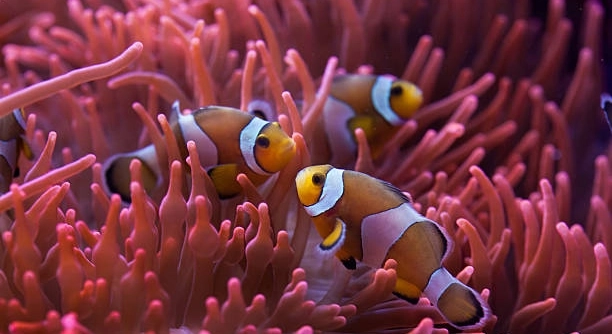
Have you ever looked at your aquarium and wondered if your clownfish can tell when something changes around them? Maybe the lights shift or someone walks into the room, and they react in subtle ways that catch your attention.
Clownfish do not have the sensory systems to detect changes in a room like humans do, but they can respond to shifts in light, movement near their tank, and water conditions. Their behavior is influenced mostly by environmental cues within their habitat.
Understanding what clownfish can sense helps improve their care and create a more stable environment. Let’s look at how their responses are shaped by both nature and their surroundings.
What Clownfish Can Actually Sense
Clownfish rely on their senses to stay alert in their surroundings. They are especially sensitive to changes in light and motion near their tank. If someone enters the room or turns on a light, you might notice a slight change in their behavior. They might retreat to their anemone, become still, or swim more cautiously. These reactions aren’t because they can see the room like we do, but because they detect subtle environmental shifts. Their eyes help them track movement and their lateral line helps them sense vibrations in the water. Any outside changes that affect light, sound, or water movement can catch their attention. Still, clownfish aren’t reacting to the room itself — they’re responding to what they sense from inside their aquatic space. Understanding this difference helps you notice what might be making them feel alert or uneasy.
They may appear to “watch” the room, but it’s a response to movement and light changes, not awareness.
Since they live in reefs in the wild, clownfish have adapted to notice anything unusual. Movement from above often means danger, so their instincts remain strong. A person walking past the tank or turning on a light may remind them of those same survival triggers. Clownfish also grow familiar with regular routines. If feeding or lights happen at the same time every day, they often begin to expect it. When their routine shifts, even slightly, they might act more alert or hide more often. These behaviors aren’t emotional — they’re survival-based habits. While they can’t sense moods or intentions, they do respond to how steady or unpredictable their environment feels. Being aware of this helps you give them a more stable, stress-free space, and over time, it becomes easier to tell when something is bothering them.
The Role of the Environment
Clownfish are deeply affected by their immediate surroundings and prefer stability.
Small changes in their tank environment often create the biggest impact on their behavior. Noise, sudden temperature shifts, or irregular lighting patterns can be stressful. It’s not about sensing the room itself, but how those changes influence their water and light conditions. For example, if the room becomes loud and the vibrations reach the tank, clownfish may become restless. If the tank light is switched off unexpectedly, they may dart or freeze in place. Routine and consistency are important. Most clownfish thrive when their tank conditions remain steady throughout the day. Stable lighting, quiet surroundings, and clean water all play a part in keeping them calm. Even the placement of decorations and plants can make them feel secure or uneasy. Observing their reactions to these things can help you fine-tune their environment for better comfort and well-being.
How Routine Impacts Clownfish Behavior
Clownfish rely on predictable patterns. Regular lighting, feeding times, and quiet surroundings help them feel safe. When their routine changes, even slightly, they may swim differently, hide more often, or refuse food. These shifts show how much they rely on steady environmental cues.
When lights turn on or off at unexpected times, clownfish may freeze or dart suddenly. This is a natural reaction, not necessarily fear, but alertness to a potential threat. Feeding them at different times can also confuse them and affect their activity levels. They get used to seeing movement around the tank during feeding and expect it regularly. Sudden loud noises, movement, or inconsistent lighting can leave them unsettled. By keeping a routine, you’re helping them feel safe in their space. Over time, clownfish associate regular patterns with comfort. Watching their reactions can show how even small changes make a noticeable difference in their behavior.
A consistent routine helps reduce stress. It makes their environment more predictable and easier for them to understand. Over time, this helps you notice patterns in their behavior and catch early signs if something seems off. A routine also improves feeding responses and helps regulate their energy levels. When routines break, stress builds up slowly, even if they don’t show it right away. This stress can affect their immune system and overall health. You don’t need a strict schedule, but try to stay consistent with lighting, feeding, and cleaning. Even moving decorations too often can make them feel unsure. The more steady their world feels, the more relaxed and active they tend to be.
How They React to Human Presence
Clownfish react more to movement than to who is in the room. If you walk by or stand close, they may watch, freeze, or hide. These behaviors aren’t signs of bonding, but rather instinctive reactions to change or motion near the tank.
Over time, clownfish may seem to “recognize” certain patterns of human activity, especially when linked to feeding. They might swim to the front of the tank when you approach, but this is usually tied to routine and habit. They’re not recognizing your face, but rather responding to motion and timing. If you’re the one who feeds them, your regular movements become familiar. Sudden movements or new people may still cause them to hide, especially if those movements are fast or unpredictable. Keeping your actions calm and consistent when near the tank can help reduce stress. Clownfish are not social with humans, but they do notice patterns that affect their comfort.
Why Sudden Changes Can Upset Them
Sudden light, sound, or motion around the tank can startle clownfish. Their instincts tell them to retreat when something unfamiliar happens. These reactions help protect them in the wild, but in an aquarium, too much change can lead to long-term stress.
Changes like rearranging decorations or moving the tank can confuse them. They get used to their surroundings and rely on consistency. When things shift quickly, they may become less active or hide more often. Their comfort depends heavily on how stable their space feels day to day.
What Helps Them Feel Secure
Clownfish feel secure when their environment stays the same. Stable lighting, gentle water flow, and regular feeding make a big difference. Keeping noise low and avoiding sudden movements near the tank helps them stay calm. Adding safe hiding spots, like caves or plants, gives them places to rest without feeling exposed.
Final Thoughts on Sensing the Room
Clownfish don’t sense the room directly, but they respond to what changes affect their tank.
FAQ
Can clownfish recognize their owners?
Clownfish do not recognize people like pets such as dogs or cats. Instead, they react to movement and routines around their tank. If you feed them regularly or move near the tank often, they may come closer or swim actively. This is a response to familiar patterns, not personal recognition. They rely on simple cues like your approach or hand movements rather than remembering faces or identities.
How do clownfish respond to light changes?
Clownfish are very sensitive to changes in light. Sudden shifts can cause them to hide or swim quickly. Gradual changes, like natural daylight cycles or consistent aquarium lighting, help them stay calm. Bright or flashing lights can be stressful, so it’s best to keep lighting stable and avoid turning it on or off suddenly. Proper lighting also helps regulate their sleep and activity patterns.
Do clownfish get stressed by loud noises?
Loud noises and vibrations can stress clownfish because they sense water movement through their lateral line system. If a nearby loud sound causes strong vibrations, they might become restless or hide. It’s best to keep the aquarium in a quiet place away from heavy foot traffic, loud speakers, or other noisy devices to reduce stress.
Can clownfish sense when people are watching them?
Clownfish do not have the awareness to understand being watched. Their reactions to people near the tank come from sensing movement or shadows. They may freeze, hide, or swim closer out of curiosity or caution. This behavior is instinctive, not social.
Why do clownfish sometimes hide when I approach the tank?
Hiding is a natural defense mechanism. If your approach is sudden or you move quickly, clownfish may retreat to feel safe. Over time, if your movements are calm and predictable, they might become less skittish and more comfortable swimming near you.
How important is water quality for clownfish comfort?
Water quality is critical. Poor water conditions can stress clownfish and cause health issues. Stable temperature, proper pH, and clean water help them feel secure and behave normally. Changes in water chemistry can make them more reactive to other environmental factors.
Do clownfish react to temperature changes in the room?
Clownfish mainly sense temperature changes through the water, not the room air. Sudden shifts in water temperature can cause stress or illness. Keeping the aquarium water stable within their preferred range is essential for their comfort and health.
Can clownfish adapt to new environments?
Clownfish can adjust to new tanks, but it takes time. They need a stable environment with consistent conditions to reduce stress. Gradual changes in their surroundings, including water parameters and decorations, help them settle in more comfortably.
Is it normal for clownfish to change behavior during feeding?
Yes, clownfish become more active or bold when feeding time approaches. They learn to associate certain cues, like your presence or specific lighting, with food. This behavior is a routine response rather than emotional recognition.
What should I do if my clownfish seems stressed?
Check the tank conditions first: water quality, temperature, and lighting. Reduce noise and sudden movements around the tank. Make sure their environment is stable and consistent. Adding hiding places can help them feel safer. If stress continues, consult a specialist for possible health concerns.
Clownfish are fascinating little creatures that rely heavily on their environment to feel safe and comfortable. They don’t have the ability to sense changes in a room the way humans do, but they do respond to what happens inside their tank. Changes in light, movement, water quality, or noise can all affect how they behave. Because they live in water, their senses are tuned to pick up on vibrations, shifts in water flow, and changes in light intensity. These reactions help them stay alert to potential dangers and maintain their well-being. Understanding these basic facts can help anyone who cares for clownfish create a better home for them.
Keeping the tank environment stable is one of the best ways to help clownfish stay calm. Routine feeding times, steady lighting, and quiet surroundings all contribute to their comfort. Sudden or frequent changes can stress them out, causing hiding or restless swimming. It’s important to remember that clownfish depend on these simple environmental cues rather than understanding the room itself or the people around them. Watching their behavior closely can give clues about how well their habitat suits them. When the tank conditions are right, clownfish tend to be more active, curious, and healthy.
In the end, caring for clownfish means paying attention to the small details that make their tank feel safe and familiar. Consistency is key, and avoiding abrupt changes can make a big difference in how they behave and thrive. While they may not sense the whole room, their responses to their immediate surroundings tell us a lot about their needs. By providing a calm and stable environment, you help ensure your clownfish live a healthy and happy life.

Hello,
If you enjoy the content that we create, please consider saying a "Thank You!" by leaving a tip.
Every little bit helps us continue crafting quality advice that supports the health, happiness, and well-being of pets around the world, for pets of all shapes, sizes, and species.
We really appreciate the kindness and support that you show us!