
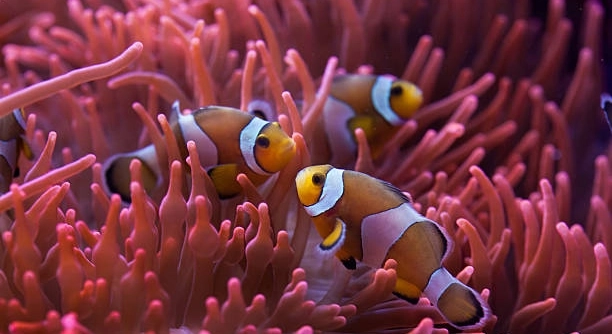
Clownfish are popular in home aquariums for their bright colors and active behavior. Observing them closely often reveals small changes in their breathing patterns. Rapid breathing can be a sign that something is affecting their well-being.
Rapid breathing in clownfish is usually caused by stress, poor water quality, or low oxygen levels. These factors can irritate their gills or make it harder to get enough oxygen, leading to increased respiratory rates as the fish tries to compensate.
Knowing the reasons behind this behavior is important for maintaining a healthy tank environment and ensuring your clownfish stays comfortable and safe.
Common Causes of Rapid Breathing in Clownfish
Rapid breathing in clownfish often points to environmental or health issues. Poor water quality is one of the most frequent reasons, caused by high levels of ammonia, nitrites, or nitrates. These toxins irritate the fish’s gills, making it difficult for them to breathe properly. Low oxygen levels in the tank can also force clownfish to breathe faster as they try to get enough air. Overcrowding and inadequate filtration can contribute to this problem. Stress is another factor that affects breathing. Changes in the tank, aggressive tank mates, or sudden shifts in temperature can cause anxiety in clownfish, leading to rapid breathing. Diseases and parasites also affect gill function and overall health, increasing respiratory rates. Keeping the tank clean, maintaining proper oxygen levels, and monitoring the fish’s behavior regularly can help prevent these issues and keep your clownfish healthy.
Water quality issues are often easy to fix with regular testing and water changes.
If water conditions are the cause, frequent partial water changes and a reliable filtration system can quickly improve your clownfish’s breathing. Using a test kit will help identify harmful chemicals early. Make sure the tank is not overcrowded, as this reduces oxygen availability. Installing an air pump or increasing surface agitation can boost oxygen levels. Stress reduction can be achieved by providing hiding spots and avoiding sudden changes in the environment. If disease is suspected, quarantine and treat affected fish promptly. Consulting with a vet or aquarium specialist is recommended to diagnose infections or parasites accurately.
How to Improve Your Clownfish’s Breathing
Improving breathing starts with stabilizing tank conditions and reducing stress factors.
First, check your aquarium’s water parameters and make any necessary adjustments. Regularly clean the tank and avoid overfeeding, which can cause excess waste. Ensure the tank is well-aerated by using air stones or increasing water movement at the surface. Creating a calm environment with plenty of hiding places can help reduce stress for your clownfish. Keep an eye on other tank inhabitants to prevent bullying or aggression that might stress your fish. If rapid breathing persists despite good water quality, consider a health check for parasites or infections. Early treatment is key to recovery. Proper maintenance and close observation will support your clownfish’s health and prevent breathing problems from returning.
Signs of Illness in Clownfish
Rapid breathing can signal illness in clownfish. Other symptoms may include loss of appetite, unusual swimming patterns, or visible spots and discoloration on their body.
Illnesses like gill parasites, bacterial infections, and fungal diseases can cause breathing difficulties. These conditions irritate the gills or affect the fish’s ability to absorb oxygen. Gill parasites attach directly to the gill tissue, making breathing painful and inefficient. Bacterial infections can lead to inflammation and swelling, further restricting oxygen intake. Fungal infections, though less common, also affect respiratory health by damaging skin and gill surfaces. Monitoring your clownfish daily helps catch these signs early, allowing for timely treatment.
Proper diagnosis often requires consultation with an aquatic veterinarian or experienced aquarium specialist. Treatments may involve medicated baths, antibiotics, or antiparasitic drugs. Early intervention improves recovery chances and prevents the spread of illness to other fish in the tank.
Maintaining Optimal Water Conditions
Consistently clean water is vital for clownfish health. Regular water changes prevent toxin buildup and maintain balanced parameters.
Test the water weekly for ammonia, nitrite, nitrate, and pH levels. Ammonia and nitrite should always be at zero, while nitrates need to stay below 20 ppm. Temperature stability is crucial, ideally between 75°F and 82°F (24°C to 28°C). Avoid sudden temperature fluctuations, which stress the fish. Use a quality filtration system suited to your tank size, and clean or replace filter media as needed. Aeration through air stones or surface agitation helps keep oxygen levels adequate. A well-maintained environment supports healthy respiration and overall fish well-being.
Preventing Stress in Clownfish
Stress can trigger rapid breathing in clownfish. It often results from sudden changes or aggressive tank mates.
Keeping the environment stable and peaceful helps reduce stress. Avoid overcrowding and provide plenty of hiding spots for your clownfish to feel secure.
Recognizing Oxygen Deficiency
Oxygen deficiency causes clownfish to breathe rapidly. Low oxygen levels often happen in overcrowded tanks or poorly aerated water.
Ensure proper water circulation and surface agitation to increase oxygen exchange. Using air pumps or adding plants can also improve oxygen availability for your clownfish.
Treating Gill Parasites
Gill parasites interfere with normal breathing and cause rapid gill movement. Treatment involves medicated dips or baths to remove parasites.
Early detection and treatment prevent long-term damage. Quarantining affected fish stops parasite spread and helps maintain tank health.
FAQ
Why is my clownfish breathing rapidly after a water change?
Rapid breathing after a water change often happens because the water parameters have shifted too quickly. Clownfish are sensitive to sudden changes in temperature, pH, or salinity. Even if the new water is clean, these fluctuations can stress the fish and cause faster breathing. To avoid this, always match the new water’s temperature and chemistry as closely as possible to the tank before adding it.
Can rapid breathing mean my clownfish is choking or has something stuck?
While it’s less common, rapid breathing can be due to an obstruction in the mouth or gills. If your clownfish is gasping or trying to spit something out, check for physical blockages or injuries. Sometimes leftover food or debris can cause irritation. If this is suspected, carefully examine the fish and clean the tank to prevent further issues.
Is rapid breathing normal during feeding time?
It is normal for clownfish to breathe a bit faster during feeding because they are more active and excited. However, if the rapid breathing continues long after feeding or occurs without activity, it might signal a problem. Overfeeding can also reduce water quality, indirectly causing breathing issues.
How long does it take for clownfish to recover from rapid breathing caused by stress?
Recovery time varies depending on the cause and how quickly conditions improve. If stress is the cause and the environment is stabilized, breathing should return to normal within a few hours to a day. Persistent rapid breathing over several days means further investigation is needed.
Can poor water quality cause permanent damage to clownfish gills?
Yes, prolonged exposure to poor water quality can cause lasting damage to gills. Toxins like ammonia and nitrites inflame and damage delicate gill tissues, reducing their ability to extract oxygen. This can lead to chronic breathing problems or even death if untreated. Regular water testing and maintenance are essential to prevent this.
Should I isolate my clownfish if it is breathing rapidly?
Isolating a rapidly breathing clownfish can be helpful, especially if you suspect illness or parasites. A quarantine tank allows you to treat the fish without risking others. It also reduces stress by removing potential aggressive tank mates. Always monitor the isolated fish closely during treatment.
Are there any medications safe for clownfish to treat rapid breathing causes?
Medications for bacterial infections, parasites, and fungal diseases exist but must be used carefully. Always choose products labeled safe for marine fish and follow dosing instructions precisely. Some treatments can affect beneficial bacteria in the tank, so quarantine is often best. Consulting a vet or aquatic specialist before treatment is recommended.
Can temperature fluctuations cause rapid breathing?
Yes, temperature changes affect clownfish metabolism and oxygen needs. Too warm water lowers oxygen levels, forcing faster breathing. Too cold water slows metabolism, which can also stress the fish. Maintaining a stable temperature within the ideal range (75°F to 82°F) is key for healthy breathing.
How often should I test my aquarium water to prevent rapid breathing issues?
Testing water weekly is a good practice for most tanks. More frequent testing is recommended if you notice any fish breathing rapidly or showing signs of stress. Regular monitoring helps catch problems before they worsen.
Is rapid breathing a sign of aging in clownfish?
Rapid breathing is not typically a normal sign of aging. Older clownfish might slow down and become less active, but if breathing speeds up, it usually signals health or environmental issues. Age-related problems generally present differently and should be evaluated by a professional.
Can overcrowding cause rapid breathing in clownfish?
Yes, overcrowding reduces oxygen availability and increases stress, both of which cause rapid breathing. Make sure your tank is appropriately sized for the number of fish, and provide adequate filtration and aeration.
What should I do if rapid breathing is accompanied by other symptoms?
If you notice rapid breathing along with symptoms like lethargy, loss of appetite, discoloration, or unusual swimming, act quickly. Test the water, isolate the fish if possible, and seek advice from an aquatic veterinarian or specialist. Early treatment improves chances of recovery.
Is rapid breathing linked to changes in tank decoration or lighting?
Sudden changes in decorations or lighting can stress clownfish and cause rapid breathing. Provide a stable environment and introduce changes gradually to avoid startling your fish.
How can I tell if my clownfish’s rapid breathing is caused by parasites?
Parasites often cause rapid breathing with other signs like scratching against objects, clamped fins, or visible spots on the gills. A magnifying glass can help identify tiny moving parasites. Prompt treatment is necessary to prevent serious harm.
Can diet affect my clownfish’s breathing rate?
While diet itself rarely causes rapid breathing, poor nutrition weakens the immune system, making fish more susceptible to illness. Overfeeding can harm water quality, indirectly affecting breathing. Feeding a balanced diet in moderate amounts supports overall health.
This FAQ covers common concerns about rapid breathing in clownfish, helping to identify causes and solutions for better care.
Final Thoughts
Rapid breathing in clownfish is often a clear sign that something in their environment or health needs attention. It usually points to stress, water quality issues, low oxygen levels, or illness. Because clownfish rely on clean, well-oxygenated water, even small changes can affect their breathing. Observing your fish regularly helps catch early signs of trouble, which is important for timely care. When you notice rapid breathing, taking steps to check water parameters and tank conditions is the first action to take. Simple fixes like water changes, improving aeration, and reducing stress can make a big difference in your fish’s well-being.
Maintaining a stable tank environment is key to preventing rapid breathing and other health problems. Regular testing for ammonia, nitrites, nitrates, pH, and temperature helps keep conditions within safe limits. Proper filtration and aeration ensure the water stays clean and oxygen-rich. Avoid overcrowding and aggressive tank mates to reduce stress on your clownfish. Stress can weaken their immune system, making them more vulnerable to disease. Providing hiding places and a calm environment helps clownfish feel secure. These efforts support healthy breathing and overall vitality, making your aquarium a better home for your fish.
If rapid breathing continues despite good water quality and tank care, health issues like parasites or infections may be the cause. Early detection and treatment are important to prevent serious harm. Quarantining affected fish and consulting with a vet or aquarium specialist can guide you through proper treatment options. Medications must be used carefully and only when necessary. Paying close attention to your clownfish’s behavior and appearance helps catch problems early. With consistent care and attention, you can keep your clownfish healthy and enjoy watching their natural, vibrant behavior for years to come.

Hello,
If you enjoy the content that we create, please consider saying a "Thank You!" by leaving a tip.
Every little bit helps us continue crafting quality advice that supports the health, happiness, and well-being of pets around the world, for pets of all shapes, sizes, and species.
We really appreciate the kindness and support that you show us!