
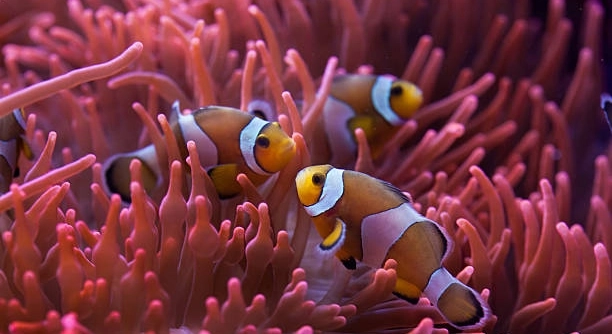
Clownfish are well-known for their vibrant colors and interesting behaviors. They often live in pairs or small groups, forming close bonds with their mates. Understanding how long clownfish can live without a mate sheds light on their social and reproductive habits.
Clownfish can survive for several months without a mate, but their reproductive success depends on pairing. Without a mate, they do not reproduce, and prolonged isolation can affect their social behavior and overall well-being.
Learning about their mating needs helps explain how these fish thrive in their natural environment. This information is useful for both hobbyists and marine biologists.
Clownfish Mating Behavior and Social Structure
Clownfish have a unique social system that revolves around a strict hierarchy within their groups. Typically, the largest fish is the dominant female, while the second largest is the breeding male. The rest are smaller non-breeding males. When the dominant female dies or disappears, the breeding male changes sex to become the female, and the next largest male takes the breeding role. This social structure ensures continuous reproduction within the group. Clownfish form strong pair bonds with their mates and are rarely seen separated under natural conditions. Living without a mate can cause stress, which affects their health and behavior. Without a partner, their chances of spawning decrease dramatically, and they tend to exhibit more solitary and less active behaviors. The close bond between mates plays a crucial role in their reproductive success and survival.
This hierarchy system helps maintain stability and efficient reproduction in clownfish communities.
The social order and ability to change sex based on dominance are fascinating adaptations. This mechanism allows clownfish to maximize reproductive potential and maintain population balance within their habitats. The transition from male to female is triggered by social cues rather than environmental factors, which shows the complexity of their interactions. Understanding these behaviors aids in proper aquarium care and conservation efforts.
Effects of Prolonged Isolation on Clownfish
Without a mate, clownfish can become less active and more stressed. This impacts their overall well-being significantly.
Prolonged isolation can lead to decreased immune response and less vibrant coloration in clownfish. Stress from lack of social interaction disrupts normal behaviors like feeding and territory defense. In captivity, lonely clownfish may refuse to eat or become aggressive toward tank mates. This stress also reduces reproductive hormones, preventing spawning even if a mate becomes available later. Regular social contact is essential for their mental and physical health. In natural reefs, isolation is rare due to their group living, but in tanks, owners must carefully monitor clownfish behavior and provide companionship when needed. Addressing isolation early helps maintain healthy, thriving fish and promotes their natural behaviors.
Knowing how isolation affects clownfish guides better aquarium management and supports their long-term health.
How Clownfish Adapt to Being Alone
Clownfish show some ability to adapt when isolated, but their behavior and health can still be affected. They may become less active and show signs of stress over time.
In the absence of a mate, clownfish often reduce their movement and spend more time hiding. Their appetite can decline, and they may stop engaging in typical social behaviors like defending territory or interacting with other fish. This change in behavior is a natural response to stress and reduced stimulation. While clownfish can survive alone for months, their overall quality of life is diminished. Providing environmental enrichment and, if possible, a compatible tank mate helps mitigate these effects.
Over time, some clownfish adjust to solitude by developing new routines and becoming more independent. However, this adjustment doesn’t fully replace the benefits of having a mate. Without social interaction, they miss out on important behaviors linked to reproduction and well-being, which can impact their lifespan and happiness in captivity.
Best Practices for Keeping Clownfish Healthy Alone
Clownfish kept alone require careful attention to their environment and diet to maintain health and reduce stress.
Maintaining clean water, stable temperature, and proper nutrition are key when housing a clownfish without a mate. Providing hiding spots and structures to explore encourages natural behavior and reduces boredom. It is important to monitor the fish’s activity levels and appetite regularly. Supplementing their diet with varied food such as pellets, flakes, and frozen items helps keep them nourished. Even alone, clownfish benefit from some social interaction or visual contact with other fish species to stimulate their senses. Regular observation can catch early signs of illness or distress, allowing timely intervention. These steps improve their quality of life and support longevity, even when they cannot be paired.
Signs Your Clownfish Needs a Mate
A clownfish without a mate may show changes in behavior such as increased hiding or loss of appetite. These signs often indicate stress or loneliness.
Reduced activity and dull coloration are common when a clownfish is isolated too long. Monitoring these changes can help address their needs promptly.
Introducing a Mate to a Solo Clownfish
Introducing a new mate requires careful planning to reduce aggression and stress. Gradual introduction and monitoring are essential to help both fish adjust.
When adding a mate, keep the tank environment stable and provide plenty of hiding places. Observe interactions closely to prevent fighting and support bonding. Patience during this process improves the chances of a successful pairing and long-term harmony.
Alternative Companions for Clownfish
Some tank mates can provide companionship without causing harm. Choose peaceful species that won’t compete aggressively for territory or food.
FAQ
How long can clownfish live without a mate?
Clownfish can survive alone for several months, sometimes even longer, depending on their environment and care. While they can live without a mate, their reproductive abilities halt, and they may show signs of stress or behavioral changes due to isolation. In natural settings, clownfish rarely live completely alone, as they tend to form social groups or pairs. In captivity, the lack of a mate can affect their mental and physical health, making it important to monitor their well-being carefully.
Can a clownfish change sex without a mate?
Clownfish naturally change sex based on social hierarchy, but this process requires the presence of other clownfish. If there is no mate or group, the change is unlikely to occur because social cues trigger this transformation. Usually, the breeding male becomes female only when the dominant female disappears. Without this social structure, the clownfish remains in its current sex, which influences its reproductive potential.
Will a clownfish reproduce if it doesn’t have a mate?
No, clownfish need a mate to reproduce. They are monogamous and form pairs for breeding. Without a partner, the fish will not produce eggs, as spawning depends on the interaction between the male and female. Reproductive behavior is also stimulated by their social bond, so isolation prevents this natural process from happening.
How can I tell if my clownfish is stressed from being alone?
Stress signs include reduced activity, hiding frequently, loss of appetite, and dull or faded colors. You might also notice aggressive or erratic behavior in some cases. Monitoring these signs is crucial, as prolonged stress weakens their immune system and can lead to illness. Creating a comfortable and enriched environment helps reduce stress levels.
Is it better to keep clownfish alone or in pairs?
Keeping clownfish in pairs is generally better for their health and happiness. Pairs support each other socially and engage in natural reproductive behaviors. However, if pairing is not possible, a single clownfish can live alone with proper care, but it may show signs of loneliness or stress over time.
How can I introduce a new mate to my clownfish?
Introduce a new mate slowly and carefully to avoid aggression. Use separate tanks or partitions at first so they can see each other without direct contact. Gradually remove barriers while observing interactions closely. Provide plenty of hiding places to reduce stress and give each fish space.
Can clownfish live with other fish species?
Yes, clownfish can live peacefully with many other reef-safe fish species, especially those that are not aggressive or territorial. Good companions include gobies, blennies, and some damselfish. Avoid placing them with large or aggressive fish that might bully or stress them.
What happens if a clownfish loses its mate suddenly?
If a clownfish loses its mate, it may become stressed and behave differently, such as hiding more or becoming less active. Over time, the breeding male might change sex if another clownfish is present. If alone, the fish can survive but may lose reproductive ability and show signs of loneliness.
How important is the tank environment for a lone clownfish?
The tank environment is crucial for a lone clownfish’s health. Clean water, stable temperature, and proper hiding spots reduce stress. Enrichment like live rock and coral simulators encourages natural behaviors and keeps the fish engaged, which improves mental and physical well-being.
Can clownfish recognize their mates?
Clownfish can recognize their mates through visual and chemical cues. This recognition strengthens their bond and supports cooperative behaviors like defending territory and caring for eggs. The loss of a mate interrupts these interactions, affecting their overall behavior and health.
What diet supports a clownfish’s health when alone?
A balanced diet with a mix of pellets, flakes, and frozen or live foods such as brine shrimp and mysis shrimp helps maintain health. Feeding small amounts multiple times a day mimics natural feeding habits and encourages activity, which is especially important when a fish is alone.
How can I reduce loneliness in a single clownfish?
Adding visual contact with other peaceful fish, providing plenty of hiding places, and enriching the tank with live rock and coral help reduce loneliness. Regular interaction during feeding and maintaining a stable environment also supports mental health.
Can clownfish live long-term without breeding?
Yes, clownfish can live long without breeding, but their lifespan and health may be compromised if kept isolated. Reproduction stimulates natural behaviors and hormone balance, so breeding pairs often live healthier and more active lives.
What is the best way to care for a single clownfish in captivity?
Provide a stable, clean environment with proper water conditions and a varied diet. Enrich the tank with hiding spots and live rock to encourage natural behavior. Monitor for signs of stress and consider introducing a compatible companion if possible to promote well-being.
Do clownfish get lonely like other animals?
Clownfish do show signs of social needs and can exhibit behaviors indicating loneliness, such as reduced activity or color fading. While not the same as human loneliness, social interaction is important for their mental health, especially in captivity.
Is it safe to keep clownfish with anemones when alone?
Yes, clownfish naturally associate with anemones, and this relationship provides protection and comfort. A single clownfish with an anemone can benefit from this companionship, which helps reduce stress and mimic natural living conditions.
Clownfish are fascinating creatures with unique social and reproductive behaviors. Their natural tendency to live in pairs or small groups means that having a mate is important for their overall health and well-being. While clownfish can survive alone for months, being without a mate affects their behavior and can cause stress. Without the social bond of a partner, their chances of reproduction stop, and they may become less active or show signs of loneliness. This highlights the importance of understanding their needs, especially when keeping them in captivity. Providing an environment that closely mimics their natural habitat is key to supporting their health.
When clownfish are alone, their behavior changes in noticeable ways. They may hide more often, lose interest in food, or become less colorful. These are signs that the fish is experiencing stress due to isolation. While some clownfish may adapt over time and develop new routines, this does not replace the benefits of having a mate. Their natural social structure, which includes a strict hierarchy and the ability to change sex based on dominance, relies on interaction with other fish. This social interaction helps maintain their reproductive abilities and keeps them active. In captivity, it is important to watch for signs of stress and offer environmental enrichment or a suitable companion when possible.
Caring for a clownfish alone requires attention to both physical and mental health. Ensuring clean water, stable temperature, and a varied diet is essential. Adding hiding places and other tank features that encourage natural behavior can reduce boredom and stress. If a mate cannot be provided, visual contact with other peaceful fish may help. When introducing a new mate, it should be done slowly and carefully to avoid aggression. Overall, understanding how clownfish behave without a mate helps owners make informed decisions that improve the fish’s quality of life. This knowledge supports better aquarium management and promotes the well-being of these colorful and interesting fish.

Hello,
If you enjoy the content that we create, please consider saying a "Thank You!" by leaving a tip.
Every little bit helps us continue crafting quality advice that supports the health, happiness, and well-being of pets around the world, for pets of all shapes, sizes, and species.
We really appreciate the kindness and support that you show us!