
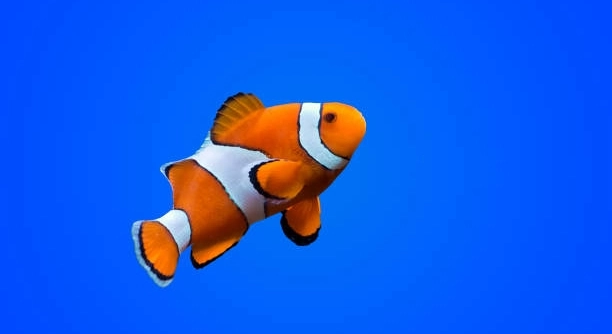
Clownfish are usually calm and steady swimmers, but sudden restlessness can be a sign something is off in their environment or health. Observing these changes early helps maintain their well-being and comfort in your aquarium.
Restlessness in clownfish is often caused by changes in water quality, temperature fluctuations, or stress from overcrowding or predators. Poor water conditions can disrupt their natural behavior, making them more active or anxious as they try to adapt.
Recognizing these signs and understanding their causes is essential for keeping your clownfish healthy and balanced in their home tank.
Common Causes of Restlessness in Clownfish
Clownfish can become restless for several reasons. One of the most frequent causes is poor water quality. High levels of ammonia, nitrites, or nitrates create a harmful environment that stresses the fish. Temperature changes also affect their comfort, as clownfish prefer stable, warm water. Overcrowding in the tank can lead to competition for space and food, increasing stress levels. Sudden changes, like rearranging decorations or adding new fish, may disturb their routine. Illness or parasites can make clownfish uneasy and restless, signaling that medical attention might be necessary. Monitoring these factors closely can help you maintain a healthy tank environment and reduce restlessness.
Water conditions and tank setup play a large role in your clownfish’s behavior and overall well-being.
Proper care includes regular water testing, keeping the tank stable, and avoiding overcrowding to ensure your clownfish remain calm and active.
How to Improve Your Clownfish’s Environment
Start by testing your aquarium water regularly for ammonia, nitrite, nitrate, and pH levels. Maintaining the correct temperature between 74 and 79 degrees Fahrenheit supports their natural behavior. Avoid overcrowding by keeping only a few compatible fish in the tank. Make sure the tank is well-filtered and cleaned often to remove waste. Avoid sudden changes in lighting, decorations, or tankmates to prevent stress. Provide hiding spots and anemones to mimic their natural habitat, giving them a safe place to retreat. Observing their behavior daily allows you to catch early signs of discomfort or illness and adjust the environment accordingly. Consistency in care helps your clownfish feel secure and less restless.
Stress Factors Affecting Clownfish
Stress can quickly change how clownfish behave. Loud noises, constant movement near the tank, or bright, flashing lights may cause them to become uneasy. Even frequent tapping on the glass can increase their anxiety, making them swim nervously or hide more than usual.
Stress weakens a clownfish’s immune system, making it vulnerable to diseases. Inadequate hiding spaces or aggressive tankmates also add to their stress. Over time, stress can lead to loss of appetite and slower growth. Recognizing stressors early allows you to adjust the environment, helping clownfish regain their calm and usual behavior.
Keeping the tank in a quiet spot, limiting sudden changes, and ensuring peaceful tankmates all contribute to reducing stress. Providing natural decor and safe spaces encourages your clownfish to feel secure and less restless in their environment.
Feeding Habits and Restlessness
Improper feeding schedules or poor diet can lead to restlessness in clownfish. Overfeeding causes water quality issues, while underfeeding leaves them hungry and more active in search of food. Feeding small amounts consistently throughout the day helps maintain a balanced routine.
Clownfish need a varied diet including pellets, flakes, and frozen foods like brine shrimp or mysis shrimp. A lack of nutrition can make them restless and weaken their health. Ensuring food is high quality and appropriate for marine fish supports their well-being. Monitoring feeding habits closely prevents behavior changes caused by hunger or digestive problems.
Regular feeding at consistent times reduces anxiety linked to unpredictability. A balanced diet and steady routine help maintain a calm, healthy clownfish, less prone to sudden restless behavior.
Signs of Illness in Clownfish
Changes in behavior, such as increased restlessness, can indicate illness. Look for physical signs like discoloration, spots, or damaged fins.
Ill fish may also refuse food or breathe rapidly. Early detection helps prevent worsening health issues and aids in timely treatment.
Maintaining Stable Water Parameters
Keeping water conditions stable is crucial. Regular testing and gradual adjustments prevent sudden changes that stress clownfish. Avoid rapid temperature shifts or chemical imbalances that affect their health.
Tankmates and Their Impact
Aggressive or incompatible tankmates can disturb clownfish. Peaceful species promote calmness, while territorial fish increase stress and restlessness. Choose companions carefully to create a balanced aquarium environment.
Importance of Routine
A consistent daily routine in feeding, lighting, and maintenance supports clownfish well-being. Stability helps reduce stress and keeps behavior predictable and calm.
FAQ
Why are my clownfish swimming rapidly and darting around?
Rapid swimming and darting can be a response to stress or irritation. This behavior often happens when water quality is poor, or when the tank environment changes suddenly. It can also indicate the presence of parasites or other health problems. Observing your clownfish closely for other symptoms will help identify the cause.
How often should I test my aquarium water?
Water testing should be done at least once a week to ensure stable conditions. Frequent checks for ammonia, nitrites, nitrates, and pH help catch problems early. Consistent water quality is essential to reduce restlessness and keep clownfish healthy.
Can temperature fluctuations cause clownfish to become restless?
Yes, clownfish thrive in stable temperatures between 74 and 79 degrees Fahrenheit. Sudden changes, even by a few degrees, can make them uneasy and increase activity as they try to adjust. Maintaining a steady temperature is critical.
What foods are best to feed restless clownfish?
A varied diet including high-quality pellets, flakes, and frozen foods like brine shrimp or mysis shrimp supports clownfish health. Avoid overfeeding, which can worsen water quality and increase stress. Feeding small portions regularly works best.
Is it normal for clownfish to hide a lot?
Hiding is natural, especially when they feel threatened or stressed. However, excessive hiding paired with restlessness can signal poor tank conditions or illness. Providing plenty of hiding spaces helps clownfish feel secure.
How does tank size affect clownfish behavior?
A tank that is too small limits swimming space and can cause stress and aggression. A properly sized tank (at least 20 gallons for a pair) allows natural behavior and reduces restlessness. Overcrowding should be avoided.
Can bright lighting cause clownfish to be restless?
Bright or flashing lights can stress clownfish and lead to nervous swimming or hiding. Using moderate, consistent lighting that mimics their natural habitat helps keep them calm and comfortable.
Should I quarantine new fish before adding them to the tank?
Yes, quarantining new fish helps prevent the introduction of diseases or parasites that cause stress and restlessness. A quarantine period of two to four weeks is recommended before adding fish to the main tank.
What are common signs of illness in clownfish?
Look for lethargy, loss of appetite, discoloration, damaged fins, rapid breathing, or unusual swimming patterns. Early detection and treatment improve recovery chances.
How can I reduce stress in my clownfish?
Minimize sudden changes in the tank, avoid tapping the glass, provide hiding spots, keep tankmates peaceful, and maintain stable water conditions. These steps create a calmer environment and reduce restlessness.
When should I seek professional help for my clownfish?
If restlessness continues despite proper care or if physical signs of illness appear, consulting an aquatic veterinarian or experienced aquarium specialist is advisable. Prompt action can prevent serious health problems.
Can overfeeding cause clownfish to become restless?
Yes, overfeeding leads to poor water quality due to leftover food decay, which stresses clownfish and alters their behavior. Feeding the right amount at consistent times helps keep them calm.
Does the presence of anemones affect clownfish activity?
Anemones provide shelter and comfort, often reducing restlessness. Without a suitable host or hiding place, clownfish may become more anxious and active as they search for security.
How important is tank maintenance for preventing restlessness?
Regular cleaning and water changes remove harmful waste and keep water parameters stable. Neglecting maintenance leads to poor water quality, a common reason for restlessness in clownfish.
Can noise near the aquarium disturb clownfish?
Loud noises or vibrations near the tank can stress clownfish and make them swim nervously. Placing the aquarium in a quiet area helps reduce unnecessary disturbances.
Final thoughts on clownfish restlessness center around understanding the environment and care that supports their health. Changes in behavior often reflect underlying issues such as water quality, temperature shifts, or stress from tank conditions. Maintaining a stable and clean aquarium environment is the most important step to prevent restlessness. Regular water testing, consistent feeding schedules, and proper tank size all contribute to a calm and balanced habitat for clownfish.
It is important to observe your clownfish carefully, noting any changes in swimming patterns, appetite, or appearance. Restlessness may be a sign of discomfort or illness, so early detection and action are key. Addressing stress factors such as overcrowding, aggressive tankmates, and sudden environmental changes can help reduce anxiety in your fish. Providing hiding spots and a peaceful setting allows clownfish to feel secure. This security supports their natural behavior and helps keep them active in a healthy way rather than restless or agitated.
Ultimately, caring for clownfish requires attention to detail and routine maintenance. Staying consistent with tank care practices ensures that your clownfish thrive and exhibit normal, calm behavior. While sudden restlessness can be concerning, it is often manageable with proper care and adjustments to their environment. Patience and diligence will help you maintain a healthy aquarium where your clownfish can live comfortably and happily.

Hello,
If you enjoy the content that we create, please consider saying a "Thank You!" by leaving a tip.
Every little bit helps us continue crafting quality advice that supports the health, happiness, and well-being of pets around the world, for pets of all shapes, sizes, and species.
We really appreciate the kindness and support that you show us!