
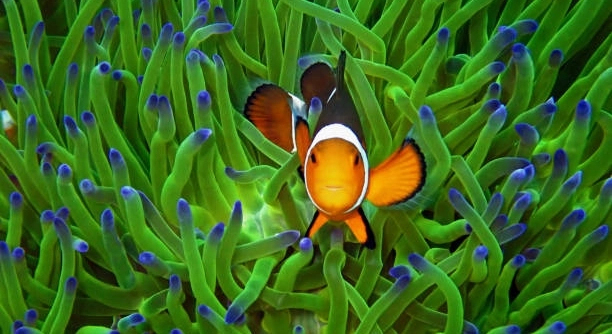
Clownfish are popular in home aquariums for their bright colors and lively behavior. However, certain sounds in their environment can cause stress or discomfort. Understanding these sound triggers is important for keeping them healthy and calm.
Seven specific sound triggers have been identified that can upset clownfish. These include sudden loud noises, vibrations from equipment, irregular tapping, heavy footsteps near the tank, loud music, knocking on the glass, and continuous background noise. Each of these can disturb their natural behavior and well-being.
Recognizing these triggers can help aquarium owners create a more peaceful environment. This article explains each sound in detail and offers guidance on minimizing their impact on clownfish.
Sudden Loud Noises
Sudden loud noises can startle clownfish and disrupt their calm environment. These noises may come from dropping objects, slamming doors, or loud voices near the aquarium. The unexpected sound triggers their natural flight response, causing stress and erratic swimming. Over time, frequent exposure to such noises can affect their health and reduce their immune response. It is important to keep the area around the tank quiet and avoid sudden loud sounds. Using soft padding under the tank stand can help reduce vibrations caused by noise. Maintaining a peaceful environment supports the clownfish’s natural behavior and promotes their well-being. This simple step can make a big difference in how comfortable your clownfish feel in their home.
To protect clownfish, try to minimize loud sounds near the tank and create a calm, stable environment for them to thrive.
Reducing sudden loud noises requires awareness of your surroundings and consistent care. Simple changes like closing doors gently or placing the aquarium in a quieter room can help. If loud events are unavoidable, consider using soundproofing materials around the tank area. Over time, your clownfish will show signs of feeling more secure, swimming calmly and behaving naturally. This quiet environment helps them eat better, grow stronger, and live longer. Regular observation will let you know if noise is still an issue, and adjustments can be made to improve their comfort. Keeping noise low supports the peaceful habitat clownfish need.
Vibrations From Equipment
Vibrations from aquarium equipment can disturb clownfish by creating constant, low-level noise and movement in the water. This can cause ongoing stress and discomfort.
Aquarium pumps, filters, and air stones all produce vibrations that may be strong enough to upset clownfish. These vibrations transmit through the water and tank walls, making it hard for the fish to rest. Over time, this stress can weaken their immune system and increase their vulnerability to illness. Ensuring that all equipment is properly installed and maintained reduces unnecessary vibration. Using vibration dampeners or placing equipment on soft pads can also help. Regularly checking equipment and replacing worn parts keeps vibrations to a minimum. By managing these sources, you create a stable environment where clownfish can thrive without constant disturbance.
Vibrations can be subtle but harmful over time. Taking steps to reduce them protects your clownfish’s health and promotes natural behavior.
Maintaining a quiet and stable aquarium environment means paying attention to the equipment. Pumps and filters need to run smoothly without causing strong vibrations. If you notice excessive shaking or buzzing sounds, it might be time to adjust or replace components. Vibration dampening materials are inexpensive and effective for isolating equipment from the tank. Even small changes, like repositioning or tightening loose parts, can make a noticeable difference. Keeping vibrations low encourages calm swimming and normal feeding habits in clownfish. A peaceful tank environment supports the overall well-being of your aquatic pets, making your care efforts more successful.
Irregular Tapping
Irregular tapping on the aquarium glass creates unpredictable disturbances. This noise unsettles clownfish, causing stress and changes in their swimming patterns.
Tapping produces sharp, sudden sounds that echo through the water and tank walls. Clownfish interpret these as potential threats, prompting them to hide or swim rapidly. Repeated tapping interrupts their rest and feeding habits. Avoiding any tapping on the glass helps maintain a stable environment. If you need to clean the glass, use gentle, steady motions instead of sharp taps to prevent startling the fish.
In some cases, tapping may also cause micro-vibrations in the water, further disturbing the fish’s comfort. Keeping the tank surface quiet supports the fish’s natural behavior. Consistency in handling the tank reduces unnecessary stress for clownfish.
Loud Music
Loud music near the aquarium creates a continuous background noise that can irritate clownfish. This sound penetrates the tank and affects their behavior.
Clownfish rely on a calm environment to thrive. Loud music disrupts this calm and can increase their stress levels. The vibrations and volume affect their ability to rest and feed properly. Even if the music is not constant, sudden changes in volume can be harmful. Keeping music volume low or away from the aquarium is important.
Continuous noise exposure may weaken clownfish over time and affect their immune systems. Reducing loud sounds helps maintain a healthy aquarium atmosphere. Providing a quiet environment promotes better growth and well-being for clownfish.
Knocking on the Glass
Knocking on the aquarium glass causes sharp, loud sounds that scare clownfish. This sudden noise triggers their stress response and disrupts their normal behavior.
Repeated knocking can make clownfish hide or swim frantically. It is best to avoid tapping or knocking to keep the environment calm and safe.
Heavy Footsteps Near the Tank
Heavy footsteps close to the aquarium cause vibrations and noise that can disturb clownfish. These sounds are transmitted through floors and tank stands, making the fish uneasy.
Clownfish are sensitive to vibrations and sudden movements nearby. Frequent heavy footsteps can lead to increased stress, affecting their feeding and resting habits. Minimizing foot traffic around the tank area helps maintain a peaceful atmosphere, allowing clownfish to feel secure and behave naturally.
Continuous Background Noise
Constant background noise from household appliances or traffic can keep clownfish in a state of low-level stress. This persistent sound makes it difficult for them to relax.
Reducing background noise through soundproofing or relocating the tank to a quieter room benefits the fish. A calm environment encourages healthier behavior and better overall well-being.
FAQ
What are common signs that clownfish are stressed by sound?
Clownfish that are stressed by sound may swim erratically, hide more often, or stay near the bottom of the tank. They might stop eating or appear lethargic. Increased aggression or sudden changes in behavior can also be signs that noise is affecting them negatively.
How can I reduce vibrations from aquarium equipment?
Make sure pumps and filters are securely placed and use soft pads or vibration dampeners under equipment. Regular maintenance keeps parts running smoothly, which reduces noise and vibrations. Moving noisy equipment away from the tank or using quieter models also helps lower disturbances.
Is it safe to play music near my aquarium?
Playing music at a low volume and with steady rhythms is less likely to upset clownfish. However, loud or sudden changes in music volume can cause stress. It’s better to keep music away from the tank area or keep the volume very low to avoid disturbing your fish.
Can tapping on the glass harm my clownfish?
Tapping or knocking on the glass can scare clownfish, causing them stress and disrupting their normal behavior. While it doesn’t physically harm them, frequent tapping creates a stressful environment. Avoid tapping to maintain a calm and healthy tank.
Why do heavy footsteps near the tank bother clownfish?
Heavy footsteps produce vibrations that travel through floors and tank stands into the water. These vibrations create an uncomfortable environment for clownfish, making them stressed or nervous. Reducing foot traffic or placing the tank in a quieter spot minimizes this issue.
How does continuous background noise affect clownfish?
Continuous noise, like from appliances or traffic, causes low-level stress that affects clownfish over time. It disrupts their rest and feeding routines and may weaken their immune system. Reducing background noise by relocating the tank or using soundproofing improves their well-being.
Are sudden loud noises worse than continuous noise for clownfish?
Sudden loud noises cause immediate stress and fear responses in clownfish. They often react by hiding or swimming erratically. Continuous noise causes ongoing, low-level stress that can also harm their health but may be less noticeable initially. Both types of noise should be minimized.
Can vibrations from equipment be completely eliminated?
It’s difficult to remove all vibrations, but they can be greatly reduced. Proper installation, regular maintenance, and using vibration dampeners help control equipment vibrations. Choosing quieter, high-quality equipment also reduces disturbances.
What should I do if my clownfish seem stressed?
First, check for noise and vibration sources around the tank. Reduce or eliminate loud sounds, tapping, and heavy footsteps. Ensure equipment runs smoothly and quietly. Observe your fish for improvements and maintain a calm, consistent environment to help them recover.
How important is tank location in preventing sound stress?
Tank location plays a big role in noise exposure. Placing the aquarium in a quiet room away from busy areas reduces stress from sounds and vibrations. Avoid placing tanks near doors, heavy foot traffic, or noisy appliances for the best results.
Can sound stress affect clownfish health long-term?
Yes, prolonged stress from sound and vibrations can weaken clownfish immune systems, making them prone to illness. It can also reduce their lifespan and affect breeding success. Minimizing noise and vibration supports long-term health and vitality.
Is it normal for clownfish to be startled by household noises?
Clownfish are sensitive to sudden and loud noises because they rely on sound cues in their natural habitat. It is normal for them to be startled, but frequent disturbances can lead to ongoing stress and health issues. Creating a stable sound environment helps reduce this problem.
Are all clownfish equally sensitive to sound triggers?
Sensitivity to sound may vary depending on the individual fish and species. Some clownfish tolerate noise better, while others are more easily stressed. Observing your specific fish helps identify which sounds affect them most.
How often should I check for sound and vibration issues?
Regularly monitoring the tank environment is important. Check equipment, noise levels, and tank placement at least once a month. Early detection of noise problems allows for quick fixes and prevents long-term stress on your clownfish.
Can modifying the tank setup help reduce sound stress?
Yes, adding plants, decorations, or background panels can absorb some sound and reduce vibrations. Soft substrates under the tank and placing it on a sturdy, vibration-absorbing stand also help. These small changes create a quieter environment for clownfish.
Final Thoughts
Creating a peaceful environment for clownfish is important for their health and happiness. Sound triggers, such as sudden loud noises, tapping, and vibrations, can cause them stress. Stress affects their behavior and can weaken their immune system over time. Paying attention to the sounds around the aquarium helps keep clownfish calm and comfortable. Simple changes, like reducing noise near the tank and using quieter equipment, can improve their environment greatly. Small efforts to control sound disturbances support the natural behavior of clownfish and encourage them to thrive.
It is important to regularly observe your clownfish for signs of stress related to sound. Changes in swimming patterns, hiding, or loss of appetite can indicate discomfort. Identifying which sounds upset your fish allows you to make necessary adjustments. Moving the tank to a quieter area, using vibration dampeners, and avoiding tapping on the glass are effective ways to reduce sound stress. Consistent care and a calm environment help clownfish live longer and stay healthier. Understanding how sound impacts your fish enables better aquarium management.
Maintaining a low-noise aquarium space benefits both the clownfish and those caring for them. A calm tank encourages natural behaviors like feeding and resting, making it easier to care for your fish. Reducing sound disturbances also helps prevent health problems that arise from stress. By creating a stable and quiet habitat, you give clownfish the best chance to grow and enjoy their surroundings. Attention to sound triggers is a key part of responsible aquarium care and promotes long-term well-being for your clownfish.

Hello,
If you enjoy the content that we create, please consider saying a "Thank You!" by leaving a tip.
Every little bit helps us continue crafting quality advice that supports the health, happiness, and well-being of pets around the world, for pets of all shapes, sizes, and species.
We really appreciate the kindness and support that you show us!