
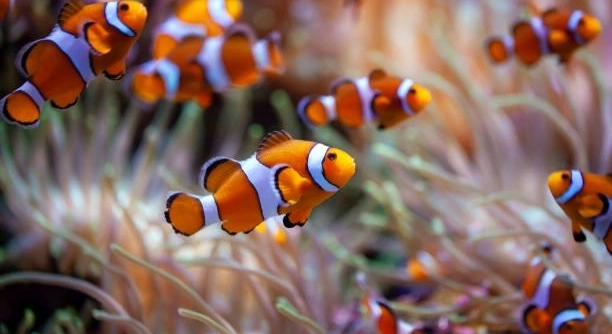
Have you ever watched clownfish swim and wondered if their playful behavior changes as they grow older in their reef homes?
Clownfish do change behavior as they age. Juveniles are more active and social, while adults become more territorial and focused on maintaining dominance within their group, especially when part of a breeding pair.
Understanding these behavior changes offers insight into their complex social lives and the role age plays in shaping their underwater routines.
How Behavior Shifts from Juvenile to Adult
Young clownfish are active, curious, and spend much of their time darting in and out of their host anemones. As they grow, their behavior becomes more structured. Juveniles often engage in playful movements and display a flexible social order. But with age, clownfish start to establish strict hierarchies within their group. The largest becomes dominant, eventually turning female if the current female dies. This transformation isn’t just physical—it’s behavioral too. The dominant pair maintains breeding rights and territory control, while younger clownfish remain submissive. These changes aren’t sudden but happen gradually, often going unnoticed unless closely observed. Adult clownfish are less tolerant of intrusions and more focused on guarding their space, especially during breeding periods. Hormonal changes, environmental pressure, and their role in the group all shape how their behavior evolves. Each stage of growth is tied to a clear purpose, especially within their tight social structure.
Young clownfish are more relaxed and playful, while adults develop stronger territorial instincts and assume specific social roles within their group.
Hormones guide much of this behavioral change. As clownfish age, increased hormone levels affect how they interact with others. For instance, a juvenile may act submissively, avoiding direct conflict. But once a clownfish begins to grow larger and stronger, its behavior shifts to challenge the hierarchy. This is essential for its future role within the group. A dominant clownfish will become bolder, more assertive, and more focused on protecting its area. These changes help the group maintain stability, ensuring each clownfish knows its role. While the changes may seem subtle day-to-day, they build up over time and lead to clear differences in how young and older clownfish act in shared environments. Understanding these stages helps explain why a clownfish that once swam freely may become more guarded and selective in its movements and interactions as it ages.
Why Social Structure Matters
The social order among clownfish is not random. It’s shaped by size, dominance, and reproductive potential.
Clownfish live in small groups where only the two largest individuals are allowed to reproduce. The largest becomes the female, and the second-largest is the male. The rest remain non-breeding and submissive. This structure avoids constant fighting and helps the group function without unnecessary stress. As a result, clownfish rarely challenge the social order unless necessary—such as when the female dies. Then, the male changes sex and takes over the female role, while the next in line grows into the male role. This system ensures group continuity and survival. Their behavior supports this structure at every stage, from quiet cooperation to assertive control. Younger clownfish accept their place and avoid drawing attention to themselves. As they grow, they gradually test boundaries, signaling readiness to move up in the group. These subtle shifts reflect how tightly behavior and hierarchy are linked in their daily lives.
Environmental Influence on Behavior
Clownfish behavior is also shaped by their environment. Water quality, tank size, and the presence of predators or other fish can affect how they act at different ages.
In a calm, stable environment, juvenile clownfish tend to be more playful and open to exploration. However, when placed in crowded or stressful settings, even young fish may become more guarded. Older clownfish are particularly sensitive to territory disruptions and may act aggressively if they feel threatened. Environmental consistency allows clownfish to settle into their roles without constant stress. Light cycles, temperature, and the health of their anemone host also influence how they behave. When conditions shift, even slightly, clownfish may adjust their activity levels, social behavior, and appetite. These changes are often subtle but noticeable over time. Healthy conditions support balanced behavior, while ongoing stress can speed up dominance displays or lead to unusual aggression, even in otherwise calm individuals.
Clownfish raised in captivity can also show behavior differences compared to those in the wild. Without the same environmental pressures, their social roles may develop differently. In aquariums, space is limited, and that can exaggerate dominant behavior in older clownfish. Juveniles might not get the chance to act naturally if they’re forced into close proximity with larger, more dominant fish. This can lead to earlier displays of submission or avoidance. On the other hand, a well-structured tank that mimics their natural habitat can help clownfish of all ages display more typical behaviors. Providing hiding spaces, healthy anemones, and stable water conditions makes a noticeable difference. Captive clownfish may still develop hierarchies, but the shift in behavior from youth to adulthood tends to be more visible due to the smaller environment and constant observation by their keepers.
Hormonal Shifts and Physical Growth
Hormonal changes play a big role in how clownfish behavior changes with age. As they grow, shifts in hormone levels directly affect dominance, aggression, and reproductive behavior.
Clownfish are protandrous hermaphrodites, meaning they start life as males and can become females later. This transformation is not just a physical change—it’s also behavioral. Hormones trigger a clownfish to become more assertive as it grows, preparing it for future dominance. Increased aggression, stronger territorial behavior, and reduced playfulness often appear in older clownfish, especially when a vacancy in the hierarchy opens. These hormone-driven shifts are necessary to keep the group balanced. Physical growth also plays a role. As clownfish increase in size, they naturally move up the hierarchy, and their behavior changes to match their new position. They become less submissive and more focused on establishing and maintaining control, especially in breeding situations. These changes are steady and linked closely with both their age and status in the group.
Influence of Group Dynamics
When the dominant female dies, the entire group shifts. The male changes sex, and the next largest clownfish becomes the new male, adjusting their behavior quickly.
Smaller clownfish remain passive until roles change. Their behavior stays quiet and cooperative, allowing the group to avoid unnecessary stress or conflict.
Behavioral Patterns During Reproduction
During reproduction, adult clownfish become more focused and territorial. The breeding pair will guard their nesting site closely and become aggressive toward any perceived threats. This is especially noticeable around egg-laying periods, when even familiar tank mates may be chased off. Their feeding habits may also shift during this time, often becoming more protective of food sources near the nest. Males usually care for the eggs by fanning them and removing debris, while females patrol the area. These behaviors are driven by instinct and hormonal changes, and they help ensure survival of the next generation. Younger clownfish are rarely involved during this stage.
Aging and Activity Levels
Older clownfish tend to become less active, spending more time near their host anemone. Their movements slow, but their protective behavior remains strong.
FAQ
Do clownfish always change behavior as they age?
Yes, clownfish generally show noticeable changes in behavior as they grow. Young clownfish are more playful and social, while adults become more territorial and focused on maintaining hierarchy within their group. These changes help keep social order and improve survival chances.
Why do adult clownfish become more aggressive?
Aggression in adult clownfish is linked to dominance and breeding. As they mature, hormones increase, making them more protective of their territory and breeding sites. This aggression helps protect their eggs and ensures they keep their position in the social hierarchy.
How quickly do behavior changes happen in clownfish?
Behavior changes in clownfish happen gradually over weeks or months. The transition from juvenile playfulness to adult territoriality is a slow process, influenced by growth, hormones, and social cues from other fish in their group.
Can environmental factors speed up or slow down behavior changes?
Yes, environment plays a big role. Stressful or crowded conditions can make clownfish act more aggressively or submissively sooner than they might in the wild. Stable environments with plenty of space and healthy anemones support natural behavior shifts at a typical pace.
Do clownfish change sex as they age?
Clownfish can change sex, but it depends on their social role, not just age. Typically, the dominant male changes into a female if the current female dies. This is triggered by social structure and hormone changes, not just growing older.
What happens to the younger clownfish when adults change behavior?
Younger clownfish usually stay submissive and avoid conflict. They recognize the dominance of older fish and adjust their behavior to stay safe. This helps reduce fights and keeps the group stable.
Do clownfish in captivity behave differently from those in the wild?
Yes, captive clownfish sometimes behave differently due to limited space and different environmental conditions. They may show more aggression or stress because they can’t follow their natural social patterns as freely as in the wild.
How do hormones affect clownfish behavior?
Hormones control many behavior changes in clownfish. Rising hormone levels trigger dominance, aggression, and sexual changes. These shifts are essential for maintaining social order and successful reproduction.
Are all clownfish in a group the same age?
No, clownfish groups usually have fish of different ages. The social hierarchy depends more on size and dominance than exact age. Older, larger fish take higher positions, while younger, smaller ones remain submissive.
Can clownfish revert to juvenile behavior if conditions change?
Generally, once clownfish mature and assume adult roles, they don’t revert to juvenile behavior. However, if social or environmental conditions change drastically, their behavior can adjust to fit new situations, but they won’t become playful juveniles again.
How important is the host anemone in clownfish behavior?
The anemone provides safety and shapes clownfish behavior. Clownfish stay close to their host, especially as adults. The health and size of the anemone affect how much clownfish move and interact, influencing their daily habits.
Do clownfish show different behaviors during breeding?
Yes, breeding clownfish become more territorial and focused. The breeding pair guards the nest aggressively and performs specific actions like egg care and defense. These behaviors are driven by instinct and hormones.
How do clownfish communicate changes in social status?
Clownfish use body language, such as posture and movement, to communicate dominance or submission. Aggressive displays warn others to keep distance, while submissive fish show less movement and avoid direct confrontation.
What signs show a clownfish is ready to change sex?
Physical growth and increased assertiveness often signal readiness for sex change. When the dominant female is gone, the male shows more aggressive behavior and physical changes as hormones shift, leading to the transformation.
Is it normal for clownfish behavior to seem unpredictable at times?
Yes, behavior can vary based on mood, environment, or social interactions. Changes can seem sudden but usually fit within their natural response to surroundings and group dynamics.
How does aging affect clownfish lifespan and activity?
Older clownfish tend to be less active but more focused on protection. Their slower movements don’t mean weakness; they rely on experience and established territory to maintain their role until the end of life.
Final Thoughts
Clownfish behavior changes naturally as they grow from playful juveniles into protective adults. These changes are important for maintaining order within their groups and ensuring their survival. Young clownfish are curious and active, exploring their surroundings and interacting freely. As they mature, their focus shifts to defending territory and supporting the breeding pair. This shift helps keep the group stable and reduces conflict. Understanding this progression makes it easier to appreciate how clownfish adapt to their social environment over time. Their changing behavior is a clear sign of growth and their role within the group.
The role of hormones and social structure cannot be overlooked when observing clownfish behavior. Hormones drive much of the change from juvenile to adult behavior, influencing aggression, dominance, and even sex change. The social hierarchy within a group also shapes individual behavior, with each fish knowing its place to avoid unnecessary fights. This natural balance helps clownfish live together peacefully in small groups. Environmental factors also influence behavior. Stable conditions promote healthy behavior changes, while stress or overcrowding can lead to unusual aggression or submission. Recognizing these factors provides insight into why clownfish act the way they do at different life stages.
Behavior changes in clownfish are a natural and necessary part of their development. These changes allow them to grow into their roles within their social groups and adapt to their surroundings. Whether in the wild or captivity, clownfish adjust their behavior to protect themselves and maintain group stability. Watching how they move from playful youngsters to serious adults offers a glimpse into their complex social lives. This understanding helps in caring for clownfish properly and appreciating the balance they maintain in their aquatic environment. Overall, the changes clownfish go through as they age highlight their adaptability and the importance of social structure in their lives.

Hello,
If you enjoy the content that we create, please consider saying a "Thank You!" by leaving a tip.
Every little bit helps us continue crafting quality advice that supports the health, happiness, and well-being of pets around the world, for pets of all shapes, sizes, and species.
We really appreciate the kindness and support that you show us!