
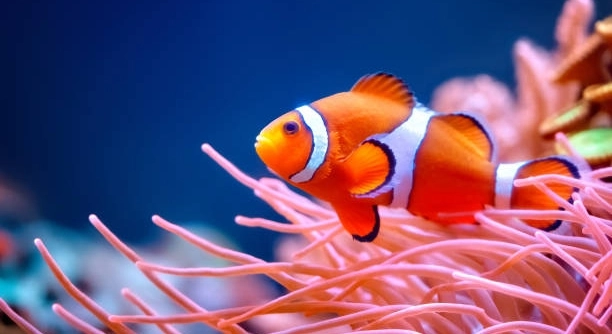
Clownfish are known for their vibrant colors and unique relationship with sea anemones. Many people keep them in home aquariums and want to understand how these fish interact with each other. Knowing if clownfish are getting along is important for their well-being.
Clownfish display harmony through calm swimming, absence of aggressive behaviors, and shared feeding times. Cooperative behavior, such as mutual cleaning and synchronized movements, indicates positive social interactions and a balanced social hierarchy among individuals.
Recognizing these signs helps maintain a peaceful environment for clownfish and supports their health in both natural and captive settings.
Signs of Harmony Among Clownfish
Clownfish that get along tend to show calm behavior and avoid constant chasing or biting. They often swim smoothly around their territory without signs of stress or panic. When they share space near their anemone, it is a good indicator of peaceful coexistence. Watching how they feed is also important. If they eat without competition or aggression, it means they respect each other’s presence. Mutual cleaning, where one fish helps remove parasites from another, is another positive behavior. Clownfish often stay close to their anemone for protection, and if they tolerate each other’s presence without fighting for the best spots, it shows balance. Aggressive displays, such as flaring fins or chasing, are signs of tension that should be addressed quickly to avoid injury. Monitoring these behaviors regularly helps maintain a healthy aquarium environment and keeps the clownfish comfortable.
Recognizing peaceful interactions can prevent problems before they escalate and ensures the group stays stable.
Understanding these signs makes caring for clownfish easier and improves their quality of life in captivity.
How to Encourage Good Relationships
Creating an environment with enough space and hiding spots reduces stress and conflict.
Clownfish benefit from a tank setup that includes multiple anemones or coral structures to minimize territorial disputes. Providing enough food and feeding at regular intervals prevents competition during meal times. It is important to avoid overcrowding since too many fish in a small space increases aggression. When introducing new clownfish, gradual acclimation reduces stress and helps them adjust peacefully. Sometimes, rearranging the tank decorations can break up established territories and lessen fights. Keeping water quality high and stable also contributes to overall calm behavior. Watching the fish closely for early signs of conflict allows timely intervention. Good tank maintenance combined with a suitable habitat encourages clownfish to coexist without constant fighting, making it easier to enjoy their natural behaviors.
Common Signs of Conflict
Clownfish show conflict through chasing, biting, and flaring fins. They may also isolate one fish or block access to food.
Aggression often begins when space is limited or when new fish are introduced abruptly. Signs include rapid swimming, constant chasing, and physical marks on the fish. Territorial disputes over anemone space are common. If one clownfish dominates feeding times or repeatedly chases others away, stress levels rise quickly. Ignoring these behaviors can lead to injury or death, so it is important to intervene early. Observing interactions daily helps catch conflicts before they escalate. Sometimes separating aggressive individuals or increasing tank size reduces tension.
Injuries from fights can become infected, which is dangerous. Treating wounds promptly and adjusting tank conditions improves chances of recovery. If aggression continues, separating fish permanently might be necessary to protect the group’s health.
Monitoring Clownfish Behavior Over Time
Regular observation is key to understanding how clownfish interact. Changes in behavior often signal problems.
Daily checks of swimming patterns, feeding habits, and social interactions reveal how well the fish get along. Calm swimming, balanced feeding, and mutual tolerance suggest harmony. Sudden shifts, such as increased aggression or withdrawal, indicate stress or illness. Keeping a log of behaviors can help track progress or detect recurring issues. Water quality and environmental changes often influence behavior, so monitoring these factors is also important. Timely adjustments to diet, tank layout, or water parameters support healthy relationships. Over time, consistent care and observation promote a stable and peaceful clownfish community.
Understanding Clownfish Hierarchy
Clownfish establish a clear social hierarchy with a dominant female at the top. The largest fish usually holds this position.
The dominant female controls the territory, while smaller males follow her lead. If she dies, the largest male changes sex to become the new dominant female. This natural hierarchy helps reduce constant fighting and maintains order within the group.
How Stress Affects Clownfish Interaction
Stress causes clownfish to behave aggressively or hide. Poor water quality and overcrowding are common stress factors.
Stress disrupts normal behavior, leading to increased aggression or lethargy. Keeping the tank clean and providing enough space helps minimize stress and supports peaceful social dynamics.
Importance of Tank Size and Environment
A spacious, well-structured tank reduces conflicts and supports healthy clownfish interactions.
How can you tell if clownfish are stressed?
Stressed clownfish often show changes in behavior such as hiding more than usual, rapid breathing, or loss of appetite. They may become aggressive or overly passive. Physical signs include faded colors and damaged fins. Monitoring these symptoms helps detect stress early, allowing prompt action to improve conditions.
What causes clownfish to fight?
Fighting usually happens due to limited space, lack of hiding spots, or introducing new fish too quickly. Competition for territory, especially around the anemone, is a common trigger. Overcrowding increases aggression as fish struggle to establish dominance. Managing tank size and environment reduces these conflicts.
Can clownfish live peacefully in groups?
Yes, clownfish can live in groups if the tank is large enough and well-structured. Providing multiple hiding places and several anemones or coral reduces territorial disputes. Introducing fish slowly and maintaining water quality helps maintain harmony.
How do clownfish show affection?
Clownfish often swim close together, touch gently with their fins, or clean each other. These behaviors indicate trust and social bonding. Sharing space near the anemone without signs of aggression is also a sign they get along well.
What should I do if clownfish start fighting?
First, observe closely to identify triggers like space or food competition. Increase hiding spots or rearrange the tank to break up territories. Feeding more frequently can reduce competition. If aggression continues, consider separating the fish temporarily or permanently to prevent injury.
How important is water quality for clownfish behavior?
Water quality directly affects clownfish health and behavior. Poor conditions cause stress, increasing aggression and susceptibility to disease. Regular testing and maintenance of water parameters such as temperature, pH, and ammonia levels keep clownfish calm and healthy.
Do clownfish need anemones to get along?
While clownfish naturally live with anemones, they can coexist peacefully without them if the tank environment is suitable. Anemones provide protection and territory, which helps reduce conflicts, but good tank setup can substitute if anemones are not available.
How often should I observe my clownfish?
Daily observation is best to catch early signs of stress or conflict. Watching their interactions during feeding and swimming times helps track social dynamics. Keeping notes on behavior changes can assist in managing their care effectively.
Can clownfish change sex?
Yes, clownfish are protandrous hermaphrodites. The dominant male can change into a female if the current female dies or is removed. This natural process helps maintain the social hierarchy and breeding capability within the group.
What role does tank size play in clownfish relationships?
A larger tank reduces territorial disputes by giving each fish enough space to claim. Small tanks force closer contact, leading to increased aggression and stress. Providing at least 20 gallons per pair helps maintain peaceful interactions.
Are clownfish aggressive toward other species?
Clownfish generally show territorial behavior but are not overly aggressive to other species if the tank is large and well-decorated. However, they may defend their anemone or territory aggressively, so careful tank mate selection is important.
What feeding habits indicate good relationships?
Peaceful clownfish feed side by side without chasing or guarding food aggressively. Balanced feeding behavior shows respect among individuals. Feeding small amounts multiple times a day reduces competition and stress.
How can I encourage clownfish to form pairs?
Introducing juvenile clownfish together and providing plenty of space encourages natural pairing. Avoid adding adults suddenly, as they can be territorial. A stable environment with clean water and proper nutrition supports bonding.
What are signs of illness linked to social stress?
Illness symptoms like faded color, lethargy, or fin rot often worsen with social stress. Aggressive behavior or isolation can weaken immune response. Maintaining good tank conditions and reducing conflict supports recovery.
When is it necessary to separate clownfish?
Separation is needed if fights cause injuries, persistent aggression, or if one fish is bullied and unable to eat or rest. Temporary separation can calm the group, while long-term separation may be required for safety.
How do environmental changes affect clownfish behavior?
Sudden changes in lighting, temperature, or tank layout can stress clownfish, leading to aggression or hiding. Gradual adjustments help fish adapt without disrupting social balance.
Can clownfish live without anemones?
Yes, they can survive and behave normally without anemones if the tank provides enough shelter and hiding spots. The presence of anemones is natural but not absolutely required for clownfish to get along.
Is it normal for clownfish to chase each other?
Chasing happens as part of establishing dominance or territory but should not be constant or harmful. Frequent chasing signals stress or overcrowding and needs attention.
How do clownfish communicate?
They use body language like fin displays, chasing, and gentle touches to communicate social status and intentions. Understanding these signals helps in managing their behavior.
What tank decorations help reduce clownfish conflict?
Rocks, coral, and artificial structures create hiding places and break line of sight. This reduces territorial fights by allowing fish to avoid constant contact.
How long does it take for clownfish to settle together?
It varies but generally a few weeks are needed for clownfish to establish hierarchy and get comfortable. Patience during this time reduces stress and encourages peaceful relations.
Clownfish are fascinating creatures with unique social behaviors that make them interesting to observe. Understanding how they interact and get along helps ensure their well-being, especially in home aquariums. Paying attention to their behavior, such as swimming patterns, feeding habits, and signs of aggression, is essential. When clownfish swim calmly and share space without constant chasing, it is a clear sign they are comfortable with each other. Watching for these cues can help prevent conflicts and keep the environment peaceful.
Maintaining a suitable tank environment plays a major role in clownfish harmony. Providing enough space, hiding spots, and stable water conditions reduces stress and territorial disputes. Clownfish naturally form hierarchies, with a dominant female leading the group. This social structure keeps fights to a minimum when respected. However, overcrowding or sudden changes in the tank can increase aggression. Regular observation and quick action when signs of conflict appear are important steps. Adjusting the tank layout, feeding schedule, or separating aggressive fish can restore balance and protect the group’s health.
Overall, caring for clownfish requires patience and attention to their needs. Recognizing how they show stress, aggression, or affection helps maintain a peaceful community. Good water quality, proper tank size, and a calm environment encourage natural behaviors and reduce problems. By providing a supportive habitat and monitoring interactions, it is possible to enjoy watching clownfish thrive together. Their unique social bonds become easier to understand and appreciate over time.

Hello,
If you enjoy the content that we create, please consider saying a "Thank You!" by leaving a tip.
Every little bit helps us continue crafting quality advice that supports the health, happiness, and well-being of pets around the world, for pets of all shapes, sizes, and species.
We really appreciate the kindness and support that you show us!