
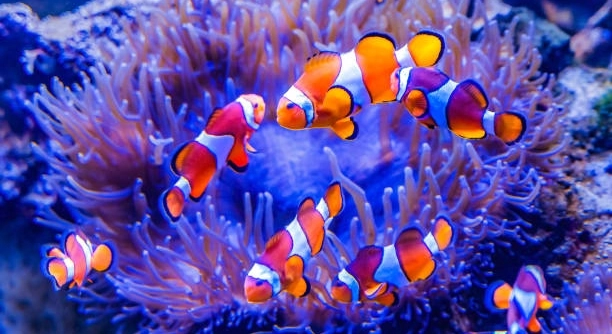
Is your clownfish spending more time near the bottom of the tank, avoiding the surface no matter how inviting it looks?
Clownfish may avoid the surface due to poor water quality, stress, incorrect temperature, or low oxygen levels. These environmental conditions can make the upper area of the tank uncomfortable or unsafe, leading to bottom-dwelling behavior.
Several factors could be influencing your clownfish’s behavior, and identifying the cause is key to restoring comfort and balance in their environment.
Common Reasons Clownfish Avoid the Surface
Clownfish often stay away from the surface when water quality isn’t right. High ammonia, nitrite, or nitrate levels can irritate their gills or cause general discomfort. A lack of proper surface agitation can also reduce oxygen levels, especially in tanks without good filtration. This makes the upper area harder to breathe in. Lighting can be another factor—if it’s too bright, they may feel exposed and stressed. Clownfish also tend to stick close to their territory, like anemones or rocks, especially if they’re feeling insecure. Sudden changes in temperature or new tank mates may also cause this behavior.
Poor surface oxygen and uncomfortable lighting often lead to clownfish avoiding the top of the tank. These factors disrupt their natural patterns and sense of safety.
Regularly checking water parameters, adjusting lighting, and ensuring proper oxygenation can make a big difference. These simple steps often bring noticeable improvements in their comfort and movement.
How to Help Your Clownfish Feel Comfortable
Start by testing the water. A clean tank with stable conditions encourages clownfish to explore more. If you notice low oxygen or high toxins, act quickly.
A stable environment is the most effective way to help your clownfish feel secure enough to swim freely. Use a reliable filtration system that promotes surface agitation to keep oxygen levels balanced. Keep the lighting soft and on a regular schedule to reduce stress. Avoid adding too many new tank mates at once, as clownfish can be territorial and sensitive to changes. Provide plenty of hiding spots, especially near the middle or top of the tank, to give them a reason to explore upward. Regularly monitor temperature, ammonia, nitrite, nitrate, and pH. A slight change in any of these can affect behavior. Feeding at the surface also helps them associate that space with something positive. Over time, consistent care will help build trust in their environment.
Signs Your Clownfish Is Uncomfortable
Clownfish may act differently when something feels off. You might see them hiding more than usual, breathing rapidly, or refusing food. They may also stay in one spot, away from their normal area, or swim with jerky, uncoordinated movements.
Rapid gill movement is often an early sign of low oxygen or poor water conditions. If your clownfish is hovering near the bottom and avoiding interaction, it’s a clear indication of discomfort. They may also become aggressive or overly passive. Skipping meals or spitting out food is another common sign. Changes in color, like fading or dark patches, can appear when they’re stressed. Keep an eye on their routine—if they’re not acting like themselves, something is likely wrong. Observing small details regularly can help you catch problems early before they get worse.
A healthy clownfish usually has smooth swimming patterns and responds to activity in the tank. If your fish becomes less curious or hides even when the lights are off, it’s worth investigating. Stress from sudden temperature changes, loud noises, or poor lighting may be to blame. Consistency in their routine and environment is key. Any sudden shift in their behavior should be taken seriously and checked against your tank’s current conditions.
When to Adjust Tank Conditions
If your clownfish avoids the surface for more than a day, it’s time to check the tank. Look at water temperature, ammonia levels, and oxygen flow first. Delays can lead to more stress and long-term health issues.
Start with a full water test, focusing on pH, ammonia, nitrite, and nitrate levels. Even small spikes can make the surface uncomfortable. Keep the temperature between 75°F and 82°F for stability. Add an air stone or adjust the filter output to improve surface agitation and boost oxygen. Reduce direct light intensity if your tank is very bright—clownfish prefer shaded areas. Feed them consistently and remove uneaten food to avoid extra waste. If other fish were recently introduced, watch for territorial behavior. Avoid making too many changes at once. Instead, adjust things slowly over several days to avoid overwhelming them. Stable, well-balanced conditions help your clownfish feel secure and more likely to swim freely.
Other Factors to Consider
Some clownfish are simply more shy than others. If your fish is new to the tank, it might take time to adjust. Giving them space and a quiet environment helps reduce stress.
Tank layout matters. If there’s not enough cover or the flow is too strong at the surface, they’ll avoid it.
The Role of Tank Mates
Aggressive or overly active tank mates can cause your clownfish to avoid certain areas. If another fish dominates the surface, your clownfish may retreat lower in the tank to feel safe. Watch for chasing, fin nipping, or signs of tension. A peaceful tank environment encourages natural, relaxed behavior. If necessary, separate fish that show repeated aggression or territorial behavior. Clownfish do best with calm companions and a predictable routine. Rearranging rocks or décor can help reduce tension between fish by breaking up territories and redirecting focus. Small changes often help your clownfish regain confidence and begin exploring all areas of the tank again.
Feeding Habits and Behavior
Feeding near the surface builds trust. If food consistently sinks, your clownfish may stop associating the top area with eating. Try floating pellets.
Why is my clownfish hiding at the bottom instead of swimming near the surface?
Clownfish often hide at the bottom when they feel stressed or unsafe. This behavior is usually linked to poor water quality, low oxygen levels near the surface, or aggressive tank mates. When the top of the tank is uncomfortable—due to strong lighting, temperature fluctuations, or surface agitation issues—clownfish will seek shelter lower down where they feel more secure. Ensuring stable water parameters and providing plenty of hiding spots encourages them to explore other parts of the tank, including the surface.
Can water temperature cause my clownfish to avoid the surface?
Yes, temperature plays a big role. Clownfish prefer a stable range between 75°F and 82°F. Water that is too warm or too cold can stress them, causing them to hide near the bottom. Temperature fluctuations, especially near the surface where water can be warmer or cooler due to lighting or heaters, may also discourage them from swimming up. Use a reliable aquarium heater and thermometer to maintain consistent temperatures throughout the tank.
How does oxygen level affect my clownfish’s swimming habits?
Low oxygen at the surface is a common reason clownfish avoid that area. Surface agitation, usually created by filters or air stones, helps oxygenate the water. Without enough agitation, oxygen levels can drop, making it harder for fish to breathe near the surface. This forces them to stay lower in the tank where oxygen might be slightly higher or more stable. Improving water circulation and adding aeration devices helps fix this issue quickly.
Could lighting be making my clownfish uncomfortable?
Bright or harsh lighting can cause clownfish to avoid the upper areas of the tank. In the wild, clownfish find shelter among anemones or coral shadows, so strong light can feel exposing and stressful. Using dimmer lights or providing shaded areas with décor helps them feel safer and more willing to swim near the surface. Consistent lighting schedules also reduce stress and help maintain their natural rhythms.
Is my clownfish avoiding the surface because of tank mates?
Aggressive or territorial fish often force clownfish to stay away from certain areas, including the surface. If other fish dominate the top of the tank, your clownfish may retreat to the bottom to avoid conflict. Observing interactions between fish is important. Separating aggressive species or rearranging tank décor to create multiple territories can reduce tension and encourage peaceful coexistence.
How does feeding location affect my clownfish’s behavior?
Clownfish usually feed near the surface, so if food consistently sinks too quickly, they may stop swimming up to eat. Offering floating pellets or feeding at the top encourages them to spend more time there. Regular feeding routines build trust and comfort with that area of the tank, helping to shift their behavior over time.
What should I do if my clownfish refuses to eat near the surface?
If your clownfish avoids surface feeding, try offering food closer to their preferred hiding spots. Slowly move feeding higher each day to encourage them to explore more. Patience is important. Ensure water quality is good and the environment feels safe. Avoid sudden changes in feeding times or types to reduce stress.
Can illness cause my clownfish to avoid the surface?
Yes, illness can change behavior. Infections, parasites, or injuries may cause lethargy and hiding. If your clownfish avoids the surface and shows signs like clamped fins, discoloration, or rapid breathing, a health check is needed. Quarantining sick fish and treating appropriately can help restore normal behavior.
How often should I test my aquarium water to keep my clownfish comfortable?
Testing water weekly is ideal to catch problems early. Key parameters to monitor are ammonia, nitrite, nitrate, pH, and temperature. Regular testing ensures stable, safe conditions. Keeping a log can help track changes and identify patterns that affect your clownfish’s behavior.
Are there tank decorations that encourage clownfish to explore the surface?
Yes, decorations like floating plants or tall coral structures create safe vertical spaces. These offer places to rest near the surface without feeling exposed. Anemones, if cared for properly, can also encourage natural behavior. Rearranging décor periodically can reduce territorial disputes and motivate your clownfish to explore more of the tank.
What if my clownfish continues avoiding the surface despite good water conditions?
Some clownfish have naturally shy personalities or take longer to adjust to new tanks. Consistency in care, gentle handling, and minimizing disturbances help build their confidence. Over time, most clownfish will become more comfortable exploring the entire tank. If behavior doesn’t improve, consider consulting an aquatic specialist for further advice.
Can poor water flow cause surface avoidance?
Poor or overly strong water flow near the surface can discourage clownfish from swimming there. Strong currents make it difficult for them to swim comfortably. Adjusting the filter output or adding flow deflectors can create gentle water movement, making the surface more inviting. Balancing flow is key to healthy fish behavior.
How important is a stable routine for my clownfish’s behavior?
Fish respond well to predictable routines. Feeding at the same times, consistent lighting, and minimal sudden changes reduce stress. A stable routine helps clownfish feel secure and encourages normal activity, including swimming near the surface. Avoid sudden changes to water parameters or tank setup to maintain their comfort.
Can I train my clownfish to swim near the surface?
While not “training” in the traditional sense, clownfish can learn to associate the surface with positive experiences like feeding. Offering food near the top regularly and providing safe spaces encourages them to explore upward. Patience is essential; behavior changes slowly as trust builds.
Does tank size influence clownfish surface behavior?
Smaller tanks with limited space and fewer hiding spots can increase stress, causing clownfish to avoid the surface. Larger tanks with well-structured environments offer more options for movement and shelter. Ensuring enough space and complexity in the tank encourages natural swimming patterns.
What role does water hardness and pH play in surface avoidance?
Clownfish prefer slightly alkaline water with pH between 7.8 and 8.4. Sudden shifts or extreme values can stress them and alter swimming habits. Water hardness also affects overall comfort. Maintaining stable, appropriate pH and hardness levels helps prevent stress-related behaviors like surface avoidance.
When your clownfish avoids the surface, it usually signals that something in its environment needs attention. Factors like water quality, oxygen levels, temperature, and lighting all play important roles in how comfortable your fish feels. By maintaining stable and clean water conditions, you can encourage your clownfish to swim more freely and explore all parts of the tank. Regular testing and observation help you catch any problems early before they affect your fish’s health or behavior. Keeping a consistent routine with feeding and lighting also contributes to their well-being.
It is important to remember that clownfish, like all animals, have their own personalities and habits. Some may be naturally more shy or cautious, especially when introduced to a new tank. They may take time to adjust and feel safe enough to swim near the surface. Offering hiding places, reducing sudden changes, and ensuring a peaceful tank environment will help them build confidence. Avoid overcrowding the tank or adding aggressive fish that could increase stress. These simple steps create a more secure and inviting space for your clownfish.
If your clownfish continues to avoid the surface despite good tank conditions, be patient and keep monitoring. Behavior changes can happen slowly as your fish adapts. In some cases, health issues could affect their activity, so watching for other signs like color changes or loss of appetite is important. Consulting with an aquatic specialist or veterinarian can provide additional guidance if needed. Overall, careful attention to your tank’s environment and your clownfish’s behavior will help you support their health and happiness in the long term.

Hello,
If you enjoy the content that we create, please consider saying a "Thank You!" by leaving a tip.
Every little bit helps us continue crafting quality advice that supports the health, happiness, and well-being of pets around the world, for pets of all shapes, sizes, and species.
We really appreciate the kindness and support that you show us!