
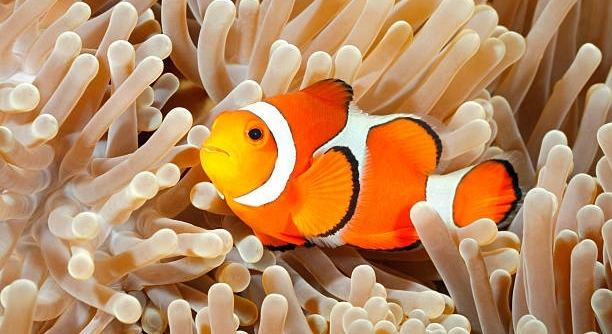
Clownfish are popular fish often found in home aquariums and coral reefs. They are known for their bright colors and interesting behaviors. Sometimes, people notice clownfish staying still for long periods.
When clownfish stay still, it usually means they are resting or conserving energy. This behavior is normal and common, especially during nighttime or when the fish feels safe. Staying still helps clownfish reduce stress and avoid unnecessary movement.
Understanding why clownfish remain motionless can help keep them healthy and comfortable in their environment. This article explains the reasons behind their stillness and what it means for their care.
Why Clownfish Stay Still
Clownfish often stay still to rest or recover energy. Like many fish, they need periods of calm to maintain their health. When they stay still, their metabolism slows down, which helps conserve energy for swimming and feeding later. This behavior is common during nighttime or after a busy period of activity. Sometimes, clownfish remain motionless near anemones, where they feel safe. The anemones provide protection from predators, so staying still helps them avoid drawing attention. Stress or changes in the environment can also make clownfish less active. If the tank water temperature or quality changes suddenly, they might become still to adjust. Watching your clownfish stay calm can be a sign that they are comfortable in their space. However, if stillness lasts too long, it could indicate a health problem, which might need attention.
Clownfish resting quietly is usually normal and healthy behavior, showing they feel secure.
Being aware of these resting patterns helps you provide a stable environment for your clownfish. Keeping tank conditions consistent with clean water, proper temperature, and enough hiding spots will encourage natural behavior. If your clownfish suddenly stops moving or appears lethargic during the day, check water parameters for any issues. Offering a balanced diet and a peaceful habitat supports their well-being. Understanding when stillness is natural and when it signals stress allows you to care for your clownfish more effectively.
Signs of Stress in Clownfish
Stress can make clownfish stay still for longer periods or behave differently. Stress factors include poor water quality, sudden changes in temperature, overcrowding, or aggressive tank mates. Clownfish may also hide more and refuse food when stressed. Recognizing these signs early can prevent health decline.
Stress causes clownfish to conserve energy by limiting movement. This can lead to weakened immune systems, making them prone to diseases. Stress may also result in faded colors or erratic swimming when they do move. Environmental stability is key to preventing these problems. Keeping the tank clean and avoiding sudden changes will help reduce stress. Regularly testing water parameters such as pH, ammonia, and nitrate levels is important. Additionally, providing hiding places and ensuring tank mates are compatible supports clownfish comfort. Monitoring behavior closely helps identify stress early so corrective steps can be taken before serious issues arise.
How Clownfish Rest
Clownfish rest by staying still near their anemone or on a secure surface. This helps them avoid predators and conserve energy. Rest periods usually happen at night or after activity.
During rest, clownfish reduce their movement and lower their metabolic rate. They may tuck their fins close and remain motionless for extended periods. This quiet time is essential for recovery and maintaining health. Resting near anemones provides safety, as these creatures protect clownfish with their stinging tentacles. The relationship benefits both animals. If your clownfish stays still during the day but appears alert and eats normally, it is likely just resting. Providing a calm environment encourages regular rest habits.
Regular resting periods help clownfish stay active and healthy throughout the day. Lack of proper rest may lead to stress or illness, so ensuring they have a safe place to relax is important.
Impact of Tank Environment on Clownfish Behavior
Tank conditions heavily influence clownfish activity and stillness. Poor water quality or incorrect temperature can cause clownfish to stay still more often or appear lethargic. Stable water parameters support natural behavior.
Maintaining clean water with balanced pH and temperature is crucial for clownfish health. Sudden changes in the environment stress fish and may reduce their activity. Proper filtration, regular water changes, and monitoring levels of ammonia, nitrites, and nitrates help prevent these problems. Tank decorations, such as live rock and anemones, offer hiding places and comfort, encouraging natural behaviors. Overcrowded tanks or aggressive fish nearby may also cause clownfish to stay still out of fear. Creating a peaceful, stable habitat helps clownfish feel secure and behave normally.
Common Reasons Clownfish Stay Still
Clownfish stay still to rest, avoid danger, or when stressed. It’s a natural behavior that helps them survive and conserve energy.
Sometimes, illness or poor water conditions also cause stillness. Observing other signs can help determine the reason behind their inactivity.
How to Encourage Activity in Clownfish
To promote activity, keep the tank environment stable with clean water and proper temperature. Offer a varied diet and plenty of hiding spots. Reducing stress by avoiding overcrowding or aggressive fish helps clownfish feel safe and encourages normal swimming behavior.
When to Seek Help for Stillness
If a clownfish stays still for long periods without eating or shows signs of illness, seek advice from a specialist or veterinarian experienced with fish. Early intervention can prevent serious health problems.
FAQ
Why does my clownfish stay still for so long?
Clownfish staying still for extended periods is often normal behavior related to resting or conserving energy. They may do this especially at night or after active swimming sessions. However, if the stillness happens during the day and your fish seems lethargic or uninterested in food, it could signal stress, illness, or poor water conditions. Checking water quality and tank environment is important in these cases to rule out problems.
Is it okay for clownfish to stay still near the anemone?
Yes, clownfish commonly stay still near or inside their host anemone. This is a natural behavior because anemones provide protection from predators with their stinging tentacles. The clownfish feels safe there and often rests while being shielded. This close relationship benefits both the fish and the anemone.
Could stillness mean my clownfish is sick?
Stillness alone isn’t always a sign of sickness, but combined with other symptoms like loss of appetite, faded colors, or abnormal swimming, it could mean your clownfish is unwell. Illness can be caused by poor water quality, infections, or parasites. Early detection and treatment are key, so monitor behavior closely and maintain good tank conditions.
How can I tell if my clownfish is stressed?
Stress in clownfish often shows as unusual stillness, hiding more than usual, loss of color, or refusal to eat. Stress triggers include poor water quality, overcrowding, aggressive tank mates, or sudden changes in temperature or environment. Reducing stress involves stabilizing tank parameters and providing a calm, safe habitat.
What should I do if my clownfish is staying still and not eating?
If your clownfish stays still and refuses food, first test the tank water for ammonia, nitrite, nitrate levels, and temperature. Correct any imbalances immediately. Check for signs of disease or injury. If problems persist, consult a fish specialist or veterinarian to get a proper diagnosis and treatment plan.
Do clownfish sleep like other animals?
Clownfish do rest but not in the same way mammals sleep. They enter a state of reduced activity where they stay still and slow their metabolism, often near their anemone or a secure spot. This rest period allows them to recover energy and stay healthy.
Will changing the tank environment help if my clownfish stays still too much?
Yes, improving the tank environment can encourage more activity. Make sure water quality is stable, temperature is suitable, and the tank isn’t overcrowded. Providing hiding spots and compatible tank mates reduces stress. Sometimes adding live rock or anemones helps clownfish feel more secure, encouraging normal movement.
Can diet affect clownfish activity?
A poor diet can make clownfish lethargic and less active. Feeding a balanced, varied diet with quality frozen or live foods supports their energy needs and health. Overfeeding or underfeeding can cause issues, so follow feeding guidelines and observe how your fish responds.
Is it normal for clownfish to stay still during the day?
It can be normal if your clownfish is resting or feeling safe in their environment. However, prolonged stillness during daylight hours without signs of eating or interaction might suggest stress or health issues. Always observe overall behavior and tank conditions to be sure.
How long can clownfish stay still without problems?
Short periods of stillness, especially during resting times, are normal. If a clownfish stays still for several hours during the day without moving or eating, it may indicate a problem. Regular observation and maintaining tank health help prevent long-term inactivity related to illness or stress.
Clownfish staying still is usually a normal part of their behavior. Like many animals, they need rest to conserve energy and maintain their health. Often, clownfish will stay still near their anemone or other safe places in the tank. This helps them avoid predators and feel secure. Resting periods are important for clownfish, especially during the night or after times of activity. When they are still but alert and eating normally, it means they are comfortable and healthy. Providing a calm and stable environment supports this natural behavior.
It is important to pay attention if your clownfish stays still for too long or shows other signs like loss of appetite, faded colors, or unusual swimming patterns. These could be signs of stress or illness. Stress in clownfish is often caused by poor water quality, changes in temperature, overcrowding, or aggressive tank mates. Making sure the tank water is clean and the temperature is right will help keep clownfish active and healthy. Also, having enough hiding places and compatible fish reduces stress and encourages natural movement. Monitoring their behavior regularly can help catch problems early.
Taking good care of clownfish means understanding their habits and needs. When they stay still, it can be a sign of resting or feeling safe. But stillness combined with other unusual signs should be checked carefully. Maintaining a stable tank environment, feeding a balanced diet, and watching for signs of stress or sickness are the best ways to keep your clownfish healthy. Being aware of their normal behavior and changes helps you respond quickly to their needs. This way, your clownfish can live a long and comfortable life in your care.

Hello,
If you enjoy the content that we create, please consider saying a "Thank You!" by leaving a tip.
Every little bit helps us continue crafting quality advice that supports the health, happiness, and well-being of pets around the world, for pets of all shapes, sizes, and species.
We really appreciate the kindness and support that you show us!