
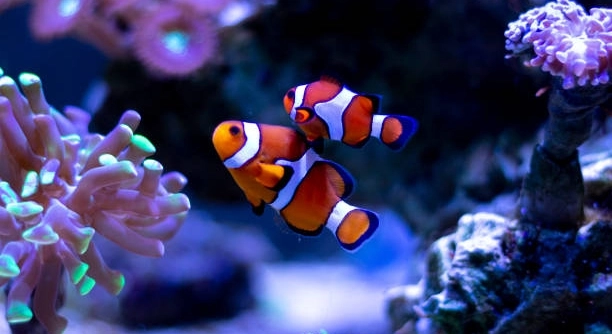
Do you ever wonder how clownfish behave when they share a tank with other fish? Many aquarium enthusiasts notice subtle changes in clownfish behavior around different tankmates. Understanding these interactions can help create a peaceful environment for all aquatic pets.
Clownfish do show responses to the moods and behaviors of their tankmates. Research suggests they can pick up on stress signals or aggression, which may influence their own actions. These reactions help clownfish adapt and maintain social balance in shared spaces.
Knowing how clownfish react to others helps in choosing compatible tankmates. This insight can improve the well-being of all fish in your aquarium.
How Clownfish Sense Their Tankmates’ Emotions
Clownfish use various signals to understand their tankmates’ moods. They rely on body language, color changes, and movement patterns to gauge if another fish is stressed, aggressive, or calm. When a tankmate shows signs of stress, clownfish may become more cautious or change their own behavior to avoid conflict. For example, if a nearby fish swims erratically or hides often, clownfish might reduce their activity or keep a distance. On the other hand, calm and relaxed tankmates encourage clownfish to be more social and active. This ability to sense emotions helps clownfish stay safe and maintain harmony within the tank environment. It’s a natural response that promotes survival and comfort in their shared space. Observing these subtle cues can help you better understand the dynamics between your fish and manage the tank more effectively.
This emotional sensing plays a key role in how clownfish interact with others. It helps them decide when to engage or withdraw.
Watching these interactions closely can reveal a lot about how your clownfish feel and react to their neighbors.
Managing Tankmate Stress for Clownfish Health
Stress in tankmates can directly impact clownfish behavior. When other fish show signs of stress, it may cause clownfish to become anxious or defensive. This stress can come from overcrowding, poor water conditions, or incompatible species sharing the same space. Keeping the tank clean, providing enough hiding spots, and choosing peaceful companions are important steps to reduce stress. Monitoring fish behavior regularly allows early detection of any tension or aggression, which can prevent long-term problems. Clownfish benefit from a stable environment where stressors are minimized, leading to better health and more natural behavior. Creating a calm habitat is essential for all fish to thrive, and it helps maintain balance among different species sharing the tank.
Proper tank management ensures clownfish remain calm despite their tankmates’ mood changes.
Paying attention to water quality and tank size supports a stress-free environment.
Simple adjustments can lead to a more peaceful and healthy aquarium overall.
Recognizing Stress Signals in Clownfish
Clownfish show clear signs when they are stressed. These include hiding more often, changing color, and swimming erratically. Watching for these signs helps keep your fish healthy.
Stress can cause clownfish to lose their bright colors and become less active. They may hide in the anemone or other tank decorations, avoiding interaction with other fish. Sometimes, stressed clownfish may nip at their fins or act aggressively to defend themselves. These behaviors signal that something in their environment isn’t right. Changes in water quality, overcrowding, or aggressive tankmates often trigger stress. Early detection of these signs allows quick action to improve conditions, such as adjusting tank size or improving water quality. Reducing stress helps clownfish stay healthy and behave naturally.
Sometimes stress signs are subtle but still affect clownfish health. Paying close attention to daily behavior changes makes a big difference. Providing a quiet, safe space in the tank can help reduce stress and encourage normal activity.
The Role of Social Hierarchy in Clownfish Behavior
Clownfish establish a clear social hierarchy within the tank. This hierarchy helps reduce conflict by defining roles and status among individuals. The dominant fish usually controls the best territory and has priority access to food and mates. Lower-ranking fish accept their place to avoid fights. This system keeps the group stable and minimizes stress.
Within a tank, dominant clownfish often show brighter colors and more confident swimming patterns. Subordinates may display submissive behavior by avoiding eye contact or retreating when approached. Social hierarchy affects how clownfish respond to tankmates, as they adjust behavior based on their rank. Understanding this structure helps in arranging tankmates so that aggressive behavior is minimized. It also explains why some clownfish tolerate certain fish but react poorly to others. Creating a balanced social environment supports natural behavior and promotes peace in the aquarium.
Signs of Aggression Among Tankmates
Aggression between tankmates can upset clownfish behavior. Signs include chasing, nipping, and sudden fast movements. These actions raise stress levels and disturb the tank’s balance.
Clownfish usually avoid aggressive fish but may also respond defensively. Keeping aggressive species separate helps maintain peace and prevents harm to all fish.
How Tank Size Influences Clownfish Behavior
Tank size plays a critical role in clownfish comfort and interaction with tankmates. Smaller tanks limit swimming space and increase competition for territory, which can lead to stress and aggression. In larger tanks, clownfish have more room to establish their territory and avoid conflict. More space reduces stress by allowing fish to spread out and find hiding spots. It also encourages natural behaviors like exploration and social interaction. A well-sized tank supports healthier clownfish and a calmer atmosphere overall, improving their reactions to tankmates’ moods and reducing tension among species sharing the environment.
Lighting Effects on Clownfish Mood
Lighting affects how clownfish behave in their tank. Proper lighting helps regulate their daily rhythm and reduces stress.
Do clownfish get stressed by aggressive tankmates?
Yes, clownfish do experience stress when kept with aggressive tankmates. Aggressive fish may chase, nip, or corner clownfish, causing them to hide more or act defensively. This constant threat can weaken their immune system and affect their overall health. Reducing aggression by selecting peaceful tankmates is essential for clownfish well-being.
How can I tell if my clownfish is stressed?
Signs of stress in clownfish include faded colors, reduced activity, hiding more often, and unusual swimming patterns. They may also lose appetite or show fin damage from nipping. Watching for these behaviors helps catch stress early and improve tank conditions before health declines.
Can clownfish recognize individual tankmates?
Clownfish can distinguish between different tankmates based on their size, shape, and behavior. This helps them adjust their responses to each fish, such as showing submission to dominant neighbors or defending against threats. Recognition supports their social interactions and survival strategies.
Do clownfish react differently to various species?
Yes, clownfish react differently depending on the species present. Peaceful, slow-moving fish tend to make clownfish feel safe, encouraging social behavior. Fast or aggressive species may trigger stress or defensive reactions. Selecting compatible species helps keep the tank peaceful.
Is it normal for clownfish to hide a lot?
Clownfish hiding often can be normal if they are resting or feel safe in their anemone or decoration. However, excessive hiding usually indicates stress, illness, or poor tank conditions. Monitoring their hiding habits helps ensure they are healthy and comfortable.
How does tank size impact clownfish behavior?
A larger tank gives clownfish enough space to explore, establish territories, and avoid conflict. In smaller tanks, limited space may increase stress and aggression due to overcrowding. Providing sufficient space improves their mood and social balance.
Can clownfish sense when their tankmates are stressed?
Clownfish are sensitive to changes in their environment and can detect stress signals from tankmates through body language and movement. These cues influence clownfish behavior, making them more cautious or defensive. Understanding this can help manage tank harmony.
What can I do to reduce stress in a mixed-species tank?
Maintain clean water, provide hiding places, and choose peaceful tankmates. Avoid overcrowding and monitor fish behavior regularly. These steps reduce stress for clownfish and their tankmates, promoting a calm and healthy environment.
Do clownfish form social bonds with their tankmates?
Clownfish may form loose social bonds based on familiarity and mutual tolerance. While not highly social compared to some species, they recognize neighbors and adjust behavior to maintain peace. Social bonds help reduce stress and aggression.
How important is water quality for clownfish mood?
Water quality directly affects clownfish health and behavior. Poor conditions cause stress, leading to dull colors and hiding. Regular testing and maintenance of water parameters keep clownfish active and responsive in the tank.
Do clownfish need anemones to feel secure?
Anemones provide shelter and security for clownfish, mimicking their natural habitat. While not always necessary, having an anemone can reduce stress and encourage natural behavior. Without one, good hiding spots in the tank serve a similar purpose.
Will clownfish react to human emotions?
Clownfish respond mainly to visual and environmental cues rather than human emotions. However, changes in tank activity during human presence can affect their behavior temporarily. Maintaining a calm environment benefits their overall comfort.
Clownfish are quite sensitive to their surroundings, especially when it comes to the behavior and moods of their tankmates. They can pick up on signs of stress, aggression, or calmness in other fish, and this affects how they act in the tank. When tankmates are peaceful and relaxed, clownfish tend to be more social and active. But if the other fish show signs of stress or aggression, clownfish may become more cautious, hide more, or act defensively. This natural reaction helps them stay safe and maintain balance in their environment.
Keeping clownfish healthy and happy requires paying close attention to the tank’s overall conditions. This includes choosing compatible tankmates that don’t cause stress or fights, maintaining good water quality, and providing enough space for all fish to swim and hide comfortably. Stress from overcrowding or poor water quality can weaken clownfish, making them more vulnerable to disease and behavioral problems. Creating a calm and stable environment helps clownfish show their natural colors and behaviors, which is a sign they are doing well. Watching for changes in their actions or appearance can give early clues if something needs adjusting in the tank.
Overall, understanding how clownfish react to their tankmates’ emotions and behaviors is important for anyone keeping them in an aquarium. These fish are more aware of their surroundings than many realize, and their responses reflect the health of the entire tank community. Taking steps to reduce stress and aggression benefits not just the clownfish but all the fish living together. This attention to detail helps build a peaceful and thriving aquarium, where each fish can live comfortably and display their natural personality.

Hello,
If you enjoy the content that we create, please consider saying a "Thank You!" by leaving a tip.
Every little bit helps us continue crafting quality advice that supports the health, happiness, and well-being of pets around the world, for pets of all shapes, sizes, and species.
We really appreciate the kindness and support that you show us!