
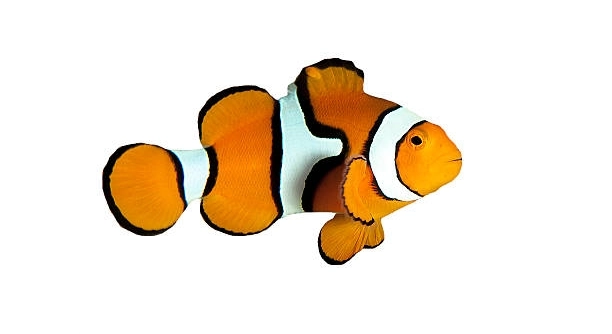
Clownfish are known for their bright colors and lively behavior in coral reefs. While they often seem friendly, they use certain signals to warn others to keep their distance. Recognizing these signs can help avoid unwanted encounters.
Clownfish display seven distinct signals that mean “stay away.” These include rapid fin flicking, sudden darting movements, lateral displays of their bodies, aggressive chasing, open-mouth threats, color changes, and fin spreading. Each behavior serves to protect their territory or themselves from threats.
Knowing these signals will help you better understand clownfish behavior and respect their space in their natural environment. This knowledge is useful whether you observe them in the wild or in an aquarium setting.
Rapid Fin Flicking and Darting Movements
When clownfish feel threatened, one of their first signals is rapid fin flicking. This quick motion is a clear sign that they are alert and ready to defend themselves. Along with this, they often make sudden darting movements, quickly swimming back and forth or away from the perceived threat. These behaviors work together to warn others to keep their distance without immediately engaging in aggression. It’s a way for clownfish to communicate unease and try to avoid direct conflict. Observing this, it’s best to give them space and avoid sudden approaches.
Rapid fin flicking combined with sudden darting signals a strong warning to keep away. The fish wants to avoid danger but will act if necessary.
If you notice these behaviors while watching clownfish, it means they feel uneasy or threatened. This is their way of saying they want some space. It’s a gentle reminder that they have boundaries. When they dart suddenly, it may look like quick bursts of movement to create distance or confuse a threat. Understanding this helps in appreciating how clownfish protect their territory quietly before showing more aggressive signals. Respecting these early signs can prevent stressful encounters for both the fish and anyone nearby.
Lateral Displays and Aggressive Chasing
Lateral displays happen when a clownfish turns its body sideways, showing its full length. This posture makes the fish look bigger and more intimidating to potential intruders. It is often followed by aggressive chasing, where the clownfish pursues the threat to push it out of its space. These actions are more direct and indicate the fish is serious about defending its home.
When clownfish use lateral displays and chasing, they clearly want to drive intruders away.
This behavior is common when other fish or divers get too close to the clownfish’s anemone or territory. The lateral display works as a warning to stop before the fish starts chasing. If the intruder ignores the signal, the clownfish will chase aggressively to protect its area. Watching these actions closely can show how much these small fish value their space and how far they will go to keep it safe. It reminds us that even small creatures have strong instincts to guard what matters to them.
Open-Mouth Threats
Open-mouth threats are a clear sign clownfish use to warn others. When a fish opens its mouth wide and faces a threat, it signals readiness to bite if necessary. This behavior is often accompanied by a forward-leaning posture to emphasize the warning.
This signal is an escalation from earlier warnings and shows the fish is serious about defending its space. The open-mouth display can startle intruders, making them think twice before approaching. It’s a last warning before more aggressive actions, such as chasing or biting, occur. This behavior helps clownfish protect their territory effectively without constant fighting.
Open-mouth threats work as a clear message: back off now or face consequences. Clownfish rely on this signal to avoid unnecessary fights but will not hesitate to act if provoked. Understanding this helps in respecting their boundaries and avoiding stressful encounters.
Color Changes and Fin Spreading
Color changes in clownfish often indicate stress or aggression. When feeling threatened, their bright colors may fade or darken to signal discomfort. This change helps warn others without physical confrontation. Along with color changes, fin spreading makes the fish appear larger and more intimidating.
Fin spreading is a deliberate action where the clownfish fans out its fins, especially the dorsal and pectoral fins. This posture enhances the fish’s size and signals readiness to defend. Together, these signs communicate a strong message to intruders to keep their distance.
These visual warnings work well in the crowded coral reef environment where space is limited. Color shifts and fin spreading help clownfish avoid constant fights by giving clear signals of distress and aggression. They serve as effective tools to maintain peace and protect the fish’s home. Recognizing these signals can deepen appreciation for how clownfish manage their social interactions.
Territorial Bubble
Clownfish maintain a small area around their anemone known as a territorial bubble. This space is closely guarded against intruders. When others come too close, the clownfish quickly react to defend their bubble with warning behaviors or chasing.
The territorial bubble is essential for their safety and comfort. It provides shelter and food resources. Intrusions into this space are seen as threats, prompting the clownfish to use their signals to protect it. Respecting this invisible boundary helps avoid stressful interactions.
Tail Flicks
Tail flicks are subtle but important signals. When a clownfish flicks its tail repeatedly, it shows irritation or warning. This quick movement serves as a quiet message before stronger signals appear.
Head Bobbing
Head bobbing is a way clownfish assert dominance or warn others. This repeated movement signals that the fish is alert and ready to act if necessary. It helps maintain social order and protect territory.
FAQ
What does it mean when a clownfish flicks its fins rapidly?
Rapid fin flicking is a common warning sign in clownfish. It means the fish feels uneasy or threatened and wants others to keep their distance. This quick motion helps signal alertness without immediately attacking, giving others a chance to back off before the clownfish escalates its behavior.
Why do clownfish dart suddenly around their anemone?
Sudden darting movements serve as a defense mechanism. The clownfish uses quick, unpredictable bursts to confuse or scare off potential threats. This behavior also helps the fish maintain space around its home by showing it is aware and ready to defend itself.
How can I tell if a clownfish is serious about defending its territory?
Look for lateral displays and aggressive chasing. When a clownfish turns sideways to appear larger and then chases an intruder, it means the fish is actively protecting its space. These behaviors indicate the clownfish is no longer just warning but ready to act if needed.
What does an open-mouth threat from a clownfish signify?
An open-mouth threat is a direct warning. When the clownfish opens its mouth wide and leans forward, it signals readiness to bite if the threat does not retreat. This behavior is a serious sign to stay away before any physical attack occurs.
Why do clownfish change color during aggressive encounters?
Color changes often reflect stress or aggression. A clownfish may darken or lose some brightness to signal discomfort or readiness to defend itself. This visual cue warns others of the fish’s mood without immediate fighting, helping avoid unnecessary conflicts.
What is the purpose of fin spreading in clownfish?
Spreading fins, especially dorsal and pectoral fins, makes the clownfish appear larger and more intimidating. This posture is a non-verbal way to warn others to keep away. It supports the fish’s defense strategy by enhancing its presence without physical contact.
How important is the territorial bubble to clownfish?
The territorial bubble is vital for clownfish survival. It is the safe zone around their anemone where they live and feed. Intruders entering this bubble are quickly warned or chased away. Respecting this space helps maintain peace and reduces stress for the fish.
What do tail flicks indicate in clownfish behavior?
Tail flicks are subtle warnings showing irritation or discomfort. When a clownfish flicks its tail repeatedly, it signals that it is bothered but not yet ready to escalate. This early message can prevent conflicts by alerting others to stay back.
What role does head bobbing play in clownfish communication?
Head bobbing is a way for clownfish to assert dominance or issue a warning. This repeated motion lets others know the fish is alert and ready to defend its territory. It helps maintain social order within the group and reduces the chance of fights.
Can understanding clownfish signals improve aquarium care?
Yes, knowing these signals helps aquarium owners recognize when their clownfish feel stressed or threatened. This awareness allows for adjustments in tank conditions or handling to reduce stress and promote healthier behavior, creating a better environment for the fish.
Are these signals only used against other fish?
No, clownfish use these signals toward any perceived threat, including humans or larger animals near their territory. They rely on these behaviors to protect themselves regardless of the intruder’s species.
Do all clownfish species use the same signals?
Most clownfish species use similar warning signals like fin flicking, chasing, and color changes. However, some variations may exist depending on species and environment. Observing specific species closely can reveal unique behaviors.
How can I safely observe clownfish without causing stress?
Maintain a respectful distance and avoid sudden movements near their anemone. Watching quietly allows clownfish to behave naturally. Recognizing their warning signals early helps prevent stressing the fish or provoking defensive reactions.
What happens if a clownfish feels its signals are ignored?
If warning signals are ignored, clownfish may escalate to more aggressive behaviors like chasing or biting. This progression shows that the fish is serious about defending its space and will take stronger action if necessary.
Do clownfish communicate only through body language?
Mostly, yes. Clownfish rely heavily on body language and color changes to communicate. They may also produce sounds, but visual signals are the primary way they warn others to stay away or show aggression.
Can clownfish signals change depending on the situation?
Yes, signals may vary depending on the threat level or context. For example, fin flicking may be enough for a small intruder, but a larger threat might trigger chasing or open-mouth displays. The fish adapts its responses to the situation’s urgency.
Is it common for clownfish to display multiple signals at once?
Often, clownfish combine signals for stronger warnings. For example, they may spread fins while changing color and flicking fins rapidly. These combined signals send a clearer message to intruders about their seriousness.
How long do these warning signals typically last?
The duration depends on the threat’s persistence. Signals may last just seconds or continue as long as the intruder stays close. Once the threat moves away, the clownfish usually returns to normal behavior quickly.
Do clownfish ever use these signals for social interactions within their group?
Yes, some signals like head bobbing and lateral displays help maintain social hierarchy among clownfish living together. These behaviors reduce conflict by establishing dominance and boundaries inside their group.
Clownfish are fascinating creatures that use many clear signals to protect themselves and their homes. Understanding these signals helps us see how they communicate without words. They use movements like fin flicking, darting, and spreading their fins to warn others to keep their distance. When these signs are ignored, clownfish may show more serious behaviors like chasing or open-mouth threats. These actions are not just random; they have important roles in keeping the fish safe and maintaining balance in their environment.
Respecting the space and signals of clownfish is important, whether you are observing them in nature or caring for them in an aquarium. Giving them enough room and watching for warning signs can reduce stress for the fish and prevent aggressive behavior. Clownfish do not want to fight; they use these signals as peaceful ways to avoid conflict whenever possible. When their signals are understood and respected, both the fish and observers benefit from a calmer and healthier interaction.
Learning about clownfish signals can deepen appreciation for how these small fish live and protect themselves. Their behavior shows how even simple actions have meaning in the underwater world. Taking time to recognize their warnings helps us be better caretakers and respectful viewers. Clownfish teach us that communication can happen in many ways, and paying attention to those signals is key to living alongside them peacefully.

Hello,
If you enjoy the content that we create, please consider saying a "Thank You!" by leaving a tip.
Every little bit helps us continue crafting quality advice that supports the health, happiness, and well-being of pets around the world, for pets of all shapes, sizes, and species.
We really appreciate the kindness and support that you show us!