
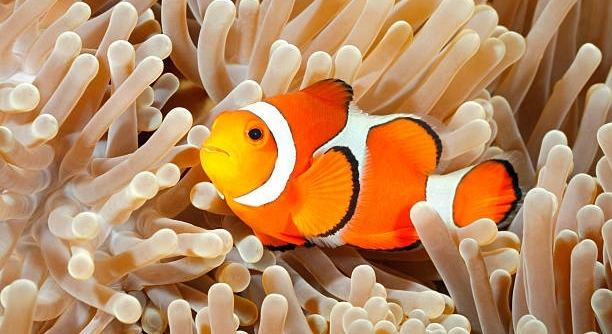
Feeding shy or nervous clownfish can sometimes feel tricky. These fish often hide or hesitate when it’s time to eat, which may cause worry for their owners. Understanding their behavior helps improve feeding success and fish well-being.
Shy or nervous clownfish typically require gentle, consistent feeding practices that reduce stress and build trust. Using slow, careful movements and small, frequent feedings encourages natural feeding behavior and minimizes fear responses in the fish.
Knowing how to approach feeding can make the experience easier for both you and your clownfish. These tips will guide you toward a calmer, more confident fish at mealtime.
Creating a Calm Environment for Feeding
A calm environment is essential when feeding shy or nervous clownfish. Loud noises, sudden movements, and bright lights can make them retreat and refuse food. It helps to feed them in a quiet room where activity is minimal. Turning off nearby electronics or lowering the room’s lighting can reduce stress. Using a soft, gentle approach when you enter the room will also prevent startling them. Consistency is key—feeding at the same time each day helps the fish feel more secure. Over time, they will begin to associate the environment with a safe place to eat. Avoid tapping on the tank or making quick gestures around it, as these can make clownfish more anxious. Creating this calm setting encourages them to come out and feed without fear.
Feeding in a quiet, low-stress space increases the chances of shy clownfish eating well and reduces their anxiety around food.
When you maintain a peaceful environment, your clownfish will gradually adjust. They become more comfortable approaching food and less likely to hide. This calm atmosphere makes it easier for you to observe their eating habits and ensure they get enough nutrition. Patience is important; it might take a few days or weeks for them to fully relax. You will notice a big difference once they feel safe, and feeding time becomes less stressful for both of you.
Offering the Right Food and Portion Size
Choosing the proper food type and serving the correct portions is crucial for shy clownfish. Feeding too much or offering unfamiliar food can overwhelm them and cause them to avoid eating. Small, frequent feedings work better than one large meal. This approach mimics their natural eating patterns and prevents uneaten food from polluting the tank. Start with easily digestible foods like finely crushed flakes or pellets designed for marine fish. You can also try frozen or live foods such as brine shrimp, which are more enticing to timid fish. Watching how much they eat during each feeding helps adjust portion size to avoid waste and maintain water quality. Keeping feedings small and regular encourages natural feeding behavior and reduces stress.
Small, manageable portions of familiar foods help shy clownfish eat without feeling threatened or overwhelmed.
Offering food that your clownfish prefers encourages them to come out and eat. Avoid changing their diet too often, as this can cause confusion and stress. Instead, introduce new foods gradually, mixing them with familiar favorites. This helps build their confidence and acceptance. Feeding near their hiding spots can also increase their willingness to eat. With proper portion control and the right food choice, your clownfish will grow healthier and more at ease during feeding times. Regular observation is key to adjusting food types and amounts to best suit your fish’s needs.
Feeding at Consistent Times
Feeding clownfish at the same times each day helps build trust and routine. They begin to recognize when food is coming, which reduces anxiety. Consistency also supports their digestive health and overall well-being.
A regular feeding schedule helps shy clownfish feel secure. When they know exactly when to expect food, they are more likely to come out of hiding. This routine can make feeding less stressful for both the fish and you. It’s best to choose two to three feeding times daily, spaced evenly. Avoid skipping feedings or changing times often, as this may cause confusion and nervousness. Over time, your clownfish will associate these specific times with a calm and safe feeding experience.
Keeping a consistent schedule also makes it easier to monitor their appetite and health. Any changes in behavior or feeding habits become clearer when feedings are predictable. This helps catch potential problems early and ensures your clownfish remain healthy and well-fed.
Using Feeding Tools to Encourage Eating
Feeding tools like pipettes or feeding sticks can help deliver food gently and directly to shy clownfish. These tools reduce stress by allowing precise placement of food near the fish.
Using a pipette or feeding stick allows you to control where the food goes, especially near hiding spots. This targeted feeding reduces the chance that food will drift away and helps the fish feel safer. When the food appears close and slow, it’s less likely to startle nervous clownfish. Feeding tools also let you offer smaller, manageable portions that encourage nibbling rather than quick, fearful strikes. It’s important to move the tool slowly and steadily, giving the fish time to react and feel comfortable. Over time, this method strengthens their confidence during feeding and encourages more natural behavior. Feeding tools can be a useful addition to your routine to support shy clownfish in gaining trust and eating regularly.
Reducing Stress During Feeding
Keeping stress low is key to encouraging shy clownfish to eat. Avoid sudden movements and loud noises near the tank during feeding times.
Dim lighting or soft background noise can help create a soothing environment. Calm surroundings make clownfish feel safer and more willing to come out and feed.
Observing Fish Behavior Closely
Watching how your clownfish reacts during feeding gives important clues about their comfort and health. Notice if they approach food quickly or stay hidden.
Changes in appetite or behavior might signal stress or illness. Early observation helps you adjust feeding methods or seek care if needed. Monitoring is essential for their well-being.
Avoiding Overfeeding
Feeding too much can stress clownfish and harm water quality. Offer only what they can eat within a few minutes to prevent leftovers.
Overfeeding leads to poor water conditions, which negatively affect shy fish. Controlling portions supports a healthy tank and happier clownfish.
How can I tell if my clownfish is too shy or nervous to eat?
A shy or nervous clownfish often hides more than usual during feeding times and may avoid coming close to the food. They might swim quickly away if approached or stay near the tank’s decorations instead of swimming freely. You might notice they eat less or not at all, which can be worrying. This behavior is often linked to stress, changes in the environment, or sudden movements around the tank. Consistent hiding and refusal to eat are clear signs that the fish is feeling uneasy.
What should I do if my clownfish refuses to eat?
If your clownfish refuses food, start by checking the tank environment for any sudden changes. Make sure the water quality is good and stable, as poor water conditions stress fish. Try feeding smaller amounts of food more often and use familiar food types. You can also offer live or frozen foods like brine shrimp, which can be more appealing. Feeding tools such as pipettes help place food near the fish’s hiding spots gently. Patience is important—avoid chasing the fish or sudden movements that may scare them further.
Is it normal for clownfish to hide a lot?
Yes, clownfish sometimes hide naturally, especially when they are new to an aquarium or when they feel stressed. However, if they hide constantly and avoid feeding, it might indicate nervousness or discomfort. Over time, with a calm environment and consistent feeding, most clownfish become more confident and reduce their hiding. Sudden changes in the tank, aggressive tank mates, or poor water quality can increase hiding behavior and should be addressed promptly.
Can other fish affect how shy my clownfish is?
Yes, other fish in the tank can influence the clownfish’s behavior. Aggressive or fast-moving fish may intimidate shy clownfish, making them hide during feeding. Even peaceful fish that compete for food might cause nervousness. It’s important to choose compatible tank mates and provide enough hiding spots and space so the clownfish feels safe. Sometimes separating aggressive fish or adding more hiding places helps the shy clownfish gain confidence.
How often should I feed shy clownfish?
Feeding shy clownfish two to three times a day in small portions is best. Frequent, small meals prevent overfeeding and reduce stress during feeding times. This schedule mimics their natural eating habits and keeps food fresh. It also gives them more chances to eat without feeling rushed or scared. Avoid large meals that may overwhelm the fish or pollute the tank water.
What foods are best for shy clownfish?
Shy clownfish usually respond well to small, easily digestible foods. Crushed flakes, pellets made for marine fish, and frozen or live foods like brine shrimp and mysis shrimp are excellent choices. Live or frozen options tend to be more attractive and can encourage feeding. Avoid sudden changes in diet; introduce new foods slowly mixed with favorites to help build acceptance and reduce stress.
How can I reduce stress for my clownfish during feeding?
Reducing stress involves creating a calm feeding environment. Avoid loud noises and sudden movements around the tank. Lowering light levels during feeding and turning off nearby electronics can help. Feeding the fish at consistent times builds routine and reduces anxiety. Using feeding tools to deliver food gently and close to their hiding spots also helps the fish feel safe and more willing to eat.
What signs indicate my clownfish might be unhealthy instead of just shy?
If your clownfish is not eating and is hiding constantly, it could be due to illness. Watch for signs like faded color, clamped fins, rapid breathing, or unusual swimming patterns. These signs go beyond normal shyness and require attention. Water tests for ammonia, nitrites, and nitrates help rule out environmental causes. If illness is suspected, consider consulting a veterinarian familiar with marine fish for diagnosis and treatment.
Can I train my shy clownfish to eat more confidently?
Yes, with patience and the right methods, you can help your clownfish become more confident at feeding. Feeding at regular times, using feeding tools to offer food nearby, and keeping the environment calm are key. Slowly increasing their exposure to food in a stress-free way builds trust. Over time, shy clownfish learn that feeding times are safe, encouraging them to come out more readily and eat better.
Should I feed my clownfish by hand?
Hand feeding can work if done carefully, but it may stress very nervous clownfish. If you try it, move slowly and offer small amounts of food from your fingers or a feeding tool. Some clownfish respond well to this and associate your presence with food. However, if your fish appears scared, it’s better to use indirect feeding methods until they gain confidence. Hand feeding is a skill that takes time and patience to develop.
Feeding shy or nervous clownfish can take patience and understanding. These fish often need extra care to feel comfortable during mealtime. By creating a calm environment, offering the right food, and feeding on a regular schedule, you help reduce their stress. It’s important to move slowly and avoid sudden actions around the tank. This gentle approach encourages the fish to come out and eat without fear. Over time, with consistency and care, shy clownfish become more confident and better eaters.
Using feeding tools like pipettes or feeding sticks can also make a difference. These tools let you place food close to the fish without startling them. Offering small, frequent portions rather than large meals helps prevent uneaten food and keeps the water clean. Watching your fish closely during feeding times is a good way to notice any changes in behavior or appetite. This helps you spot health issues early or adjust your feeding routine as needed. Maintaining good water quality is just as important, as poor conditions increase stress and may cause fish to hide or refuse food.
Overall, feeding shy clownfish requires patience and care, but the results are rewarding. As your fish grow more comfortable, feeding will become easier and more enjoyable for both of you. By paying attention to their behavior and environment, you support their health and happiness. Remember that every fish is different, so take time to learn what works best for yours. With steady effort and kindness, even the most nervous clownfish can thrive and eat confidently in their home tank.

Hello,
If you enjoy the content that we create, please consider saying a "Thank You!" by leaving a tip.
Every little bit helps us continue crafting quality advice that supports the health, happiness, and well-being of pets around the world, for pets of all shapes, sizes, and species.
We really appreciate the kindness and support that you show us!