
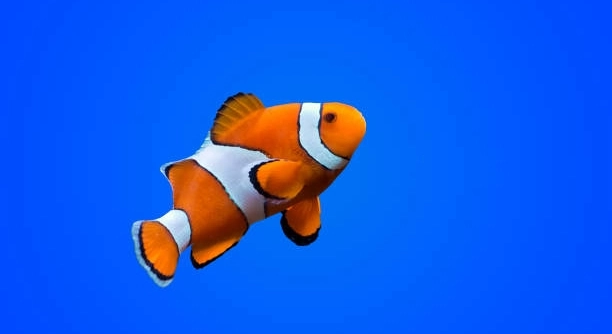
Do you ever find yourself watching your clownfish and noticing odd little habits that don’t quite make sense at first glance?
Clownfish engage in several unusual behaviors that may appear strange but are completely harmless. These actions are part of their natural instincts and social structure, and they often help maintain balance within their environment.
From quirky movements to surprising interactions, these behaviors offer a deeper look into how clownfish live, communicate, and thrive in their aquatic world.
They Wiggle in Place Without Moving Forward
Clownfish are often seen wiggling in one spot, flapping their fins rapidly without going anywhere. This behavior helps them stay in one place while still getting enough oxygen through water flow over their gills. It’s common around their host anemones, where staying close is important for safety and food. The wiggling also signals comfort and familiarity with their surroundings. Sometimes, it’s part of establishing territory or responding to nearby movement. While it might look like nervousness, it’s actually a useful technique that lets them remain alert and still. For clownfish, staying near their chosen spot is more important than swimming around constantly. This behavior doesn’t mean they’re stressed or sick—it’s just part of how they live. Watching them wiggle in place may seem unusual, but it’s a clear sign they feel secure. Over time, you’ll notice they do this regularly, especially when other fish or people approach the tank.
It may seem odd at first, but this behavior is harmless and helps clownfish stay safe, alert, and oxygenated.
If you observe this often, it’s simply part of their natural rhythm. As long as the fish is eating and active, there’s no need for concern.
They Sleep on Their Sides
Clownfish often sleep on their sides or at strange angles, which can look worrying to anyone not familiar with their habits.
This behavior usually happens at night or when the tank is quiet. It allows them to relax without drifting far from their territory. Some may press against a rock, float gently near their anemone, or lie motionless on the tank bottom. Since they don’t have eyelids, their rest periods may not be obvious unless you see the change in posture. Their stillness and sideways positions may look like illness at first glance, but these are typical signs of sleep. This posture also makes it easier for them to stay close to a surface, which can prevent drifting in the current. It’s more common in captive environments where they feel safe. A sleeping clownfish can look dramatically different from its daytime behavior, so new fish keepers may worry. However, it’s completely normal for them to take rest breaks like this.
They Make Clicking and Popping Sounds
Clownfish can produce small clicking or popping noises, especially during social interactions or minor disputes. These sounds are not signs of distress—they’re part of how clownfish communicate with each other, especially when establishing dominance or reacting to sudden movement in their space.
The clicking noise usually comes from their jaws and is common in group settings. A dominant clownfish may make the sound to remind a smaller fish of its place. It’s also used during mild aggression, like when one fish feels another is too close to its territory. These sounds are often soft and quick, so they can be missed if you’re not paying attention. Some clownfish may also do this when startled. While the behavior might seem aggressive, it’s just a way of keeping order without fighting. These little sounds help maintain peace among the group, especially in tanks with limited space.
Popping sounds may also occur during feeding time or sudden environmental changes. If the tank light flicks on quickly or something drops into the water, a clownfish might click in response. It’s more about reacting than warning. Over time, many fish keepers find the sounds oddly charming and learn to associate them with the fish’s active social habits.
They Shake Their Bodies Toward Each Other
Clownfish sometimes shake or quiver their bodies quickly in front of other fish. It may look aggressive, but it’s a non-violent way of showing submission or reinforcing social roles in the group. It’s a very normal part of clownfish behavior.
The shaking movement usually happens when two clownfish are sorting out dominance. In clownfish social groups, only one female and one male are allowed to breed, while the rest stay smaller and non-breeding. When a lower-ranking clownfish encounters a higher-ranking one, it will often shake to show it isn’t a threat. This prevents fights and keeps the group stable. The motion is fast and may look alarming at first, especially if you’re expecting a fight. But it’s more like a respectful bow in the fish world. It’s also common in new tank mates adjusting to the hierarchy. Once things settle, the shaking becomes less frequent and less intense.
They Nip at Their Anemone
Clownfish sometimes nip at the tentacles of their host anemone. This behavior is harmless and often helps them build or maintain their bond with the anemone. It’s a sign of interaction, not stress or aggression.
Nipping may also help the clownfish stay immune to the anemone’s sting. Over time, this contact keeps the relationship strong and the fish protected. It’s also common during cleaning or when the anemone moves slightly in the tank.
They Change Gender
Clownfish are born male, but the dominant one in a group becomes female. If the female dies or is removed, the next largest male will turn into a female. This change is permanent and takes place over a few days to a few weeks. It’s a natural process called sequential hermaphroditism. This behavior helps keep clownfish groups stable and avoids competition for mates. The transformation isn’t something that needs intervention, and it’s not caused by illness. It’s just how clownfish are built to function. If you notice one getting larger or acting more dominant, it may be in the middle of this change.
They Chase Tank Mates
Clownfish sometimes chase other fish, especially in smaller tanks. It’s usually related to territory or breeding behavior, not aggression.
FAQ
Why do clownfish twitch so often?
Twitching is a common behavior in clownfish and is usually a social signal. It’s how a less dominant clownfish shows submission to a more dominant one. This keeps peace within the group and helps maintain the social structure. It often happens when a new clownfish is introduced or when two are settling their roles in the tank. As long as the fish is eating, swimming normally, and not showing signs of injury or illness, twitching is not a cause for concern. It’s just their way of avoiding conflict and keeping things calm.
Is it normal for clownfish to be aggressive in a tank?
Yes, clownfish can sometimes be aggressive, especially in smaller tanks. They are territorial and like to protect their space, particularly around their anemone or chosen spot in the tank. This behavior may increase during breeding or when they feel their area is being invaded by another fish. Aggression usually involves chasing or nipping but rarely causes serious harm if the tank is properly stocked. Giving them enough space and hiding spots can reduce tension. Pairing them with peaceful, fast-moving tank mates also helps keep aggression under control.
Do clownfish get lonely if kept alone?
Clownfish can live alone and still thrive, especially if their tank environment is stable and engaging. While they are social animals in the wild, a single clownfish can adapt to life without a partner. However, some fishkeepers notice that a lone clownfish may become less active or display fewer behaviors. If you choose to add a second clownfish, make sure it’s smaller to avoid territorial disputes. Introducing them slowly and watching for aggression is key. It’s not about loneliness in a human sense—it’s more about stimulation and natural behaviors that show more with a companion.
Why do clownfish stay near one spot in the tank?
Clownfish are not big swimmers like other marine fish. They prefer to stay close to a specific area, usually near their anemone or a certain part of the tank they’ve claimed as home. This helps them feel safe and protected. In the wild, clownfish rarely leave their host anemone, and this same behavior shows up in tanks. It doesn’t mean something is wrong—it just reflects their natural instincts. If your clownfish is healthy and eating, staying in one spot is completely normal and not a cause for concern.
Can clownfish live without an anemone?
Yes, clownfish do not need an anemone to survive in captivity. While they form a natural bond with anemones in the wild, they often adapt well in tanks without them. Many will choose a substitute, like a rock, coral, or even tank equipment to host. Some may never host anything at all. If you do want to add an anemone, be sure your tank setup is mature and stable, since anemones need specific lighting and water conditions. Otherwise, clownfish will be fine on their own and still show healthy, active behavior.
Do clownfish sleep, and how can you tell?
Yes, clownfish sleep, usually at night when the lights are off. They don’t close their eyes, but you’ll notice them slowing down and hovering in one spot or lying on their side. Some even rest against a surface or float motionless. This can look strange, but it’s completely normal. As long as they perk up when the lights come on and show their usual energy during the day, there’s no need to worry. Their resting behavior may become more predictable once they’re settled into a regular tank routine.
What do clownfish like to eat in captivity?
Clownfish are not picky eaters and will eat a variety of foods. They do well on a mix of high-quality flakes, pellets, and frozen foods like brine shrimp or mysis shrimp. Feeding them a balanced diet keeps them healthy and active. It’s best to feed small amounts twice a day. Some clownfish may develop favorites, but rotating food types can help with nutrition. Observing how they eat will also give you clues about their health. If they’re eager during feeding time, that’s usually a good sign.
Final Thoughts
Clownfish have many strange behaviors, but most of them are completely harmless. If you’re new to keeping clownfish, it’s easy to worry when you see them shaking, clicking, or lying on their sides. These habits may look unusual at first, but they are simply part of how clownfish live and interact. Once you start to recognize these patterns, you’ll see that your clownfish is probably just acting normal. These behaviors often help clownfish build relationships, stay safe, or communicate with other fish. Keeping an eye on them over time will help you better understand what’s typical and what might need attention.
Many of these habits, like wiggling in one spot or staying close to certain areas of the tank, are related to their natural instincts. In the wild, clownfish rely on their anemone for protection, and this makes them territorial and focused on staying close to home. Even in a tank without an anemone, they may pick a rock or corner and treat it like their safe space. That’s why you might notice them sleeping in odd positions or defending their space from other tank mates. These actions are rarely signs of illness. As long as your clownfish is eating well, swimming normally, and showing energy during the day, there’s usually no reason to worry.
Understanding these behaviors can help you take better care of your clownfish. It gives you peace of mind when you know what’s normal and what’s not. These little fish can be full of personality, and their actions often have a purpose, even if it’s not obvious right away. Watching them closely and learning their routines can also be part of the fun of keeping them. It helps create a better environment for them and builds your confidence as a fish keeper. Over time, you’ll become more comfortable recognizing what’s part of their natural behavior and what might be a sign of stress or discomfort. With the right setup and care, clownfish can thrive in your tank and continue showing their quirky, harmless behaviors for many years.

Hello,
If you enjoy the content that we create, please consider saying a "Thank You!" by leaving a tip.
Every little bit helps us continue crafting quality advice that supports the health, happiness, and well-being of pets around the world, for pets of all shapes, sizes, and species.
We really appreciate the kindness and support that you show us!