
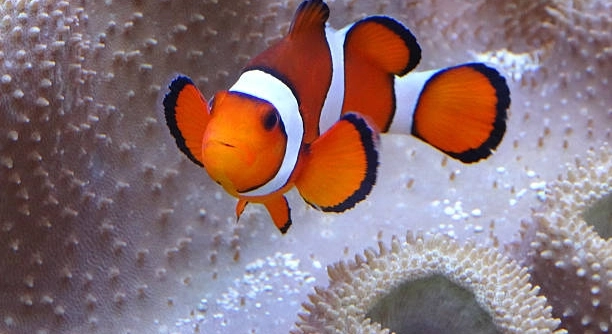
Clownfish are known for their bright colors and lively behavior in home aquariums. These small fish often show interest in many things around them, sometimes surprising their owners. Understanding what catches their attention helps improve their environment.
Clownfish display curiosity toward various unexpected items such as shiny objects, artificial plants, bubbles, reflections, small toys, floating debris, and even unusual sounds. Their natural instincts drive them to explore these stimuli, which can mimic features of their natural habitat or signal potential food sources.
Learning about what sparks a clownfish’s curiosity can help aquarium keepers create more engaging and stimulating tanks. This knowledge supports better care and a healthier environment for these vibrant fish.
Shiny Objects That Catch Their Eye
Clownfish are naturally drawn to shiny objects in their tanks. These objects reflect light in ways that remind clownfish of the sparkling surfaces and water reflections they see in the ocean. Even small bits of plastic or glass can grab their attention. When a shiny object moves with the water current, it can appear like a small creature or food source. Clownfish will often swim close, inspect, and even try to nudge or bite these items. This behavior is part of their exploration and helps them stay alert in their environment. However, it’s important to ensure that any shiny objects in the tank are safe and free from harmful chemicals or sharp edges. Using aquarium-safe decorations with reflective qualities can keep your clownfish engaged without risk. Observing their reaction to these objects can also give you insight into their mood and well-being.
Shiny objects stimulate clownfish through light reflection, encouraging natural exploration without causing harm.
Providing safe reflective decorations offers mental stimulation and mimics aspects of their natural habitat, promoting healthier behavior.
Artificial Plants and Their Appeal
Artificial plants often become a point of interest for clownfish. These plants sway with water currents, creating movement that resembles real sea plants. The colors and shapes provide a place for clownfish to explore and sometimes hide. Although artificial, they add texture and depth to the tank, encouraging clownfish to be more active. Clownfish use plants for shelter and to feel secure, especially if they are new to the aquarium. Movement from the plants can mimic the natural environment where clownfish live among anemones and coral. Choosing soft, flexible plants that move naturally in the water can enhance the tank’s appeal to clownfish. It’s also easier to maintain compared to live plants, making it a popular choice for many aquarium owners. Observing clownfish interact with these plants shows how important movement and variety are in their environment.
Bubbles and Reflections
Bubbles in the tank often catch a clownfish’s attention. They move unpredictably and shine under the aquarium light, creating curiosity.
Bubbles simulate small creatures or food particles floating in water. Clownfish will chase or inspect them closely. This behavior keeps them active and engaged. Reflections from the glass or decorations also draw their interest. When clownfish see their own reflection, they might think it’s another fish, which can lead to social or defensive reactions.
Reflections can be calming or stimulating depending on the fish’s personality. Too much reflection might stress some clownfish, so it’s important to watch their behavior. Using non-reflective backgrounds can help if your fish seem agitated. Overall, bubbles and reflections provide natural mental and physical stimulation for clownfish in captivity.
Small Toys and Floating Debris
Small toys or floating debris often attract clownfish because they resemble unfamiliar creatures or objects. These items move unpredictably, keeping the fish curious and alert. Movement is a key factor in what interests clownfish.
Introducing safe, lightweight toys can encourage play and exploration. Floating debris, like bits of plant material or uneaten food, may also get their attention. While natural curiosity helps keep clownfish active, owners should maintain cleanliness to prevent harmful buildup. Observing how clownfish interact with these items can help identify their preferences and moods. Using non-toxic, aquarium-safe toys enhances the fish’s environment without risk. Floating objects mimic natural ocean currents and contribute to a lively tank atmosphere that benefits clownfish health and happiness.
Unusual Sounds in the Aquarium
Clownfish respond to unusual sounds, especially vibrations from pumps or filters. These sounds mimic the natural noises they hear underwater.
While they don’t have ears like mammals, clownfish sense vibrations through their lateral lines. This sensitivity helps them detect movement and activity around them, keeping them alert to potential changes in their environment.
Floating Debris and Curiosity
Small particles floating in the water grab clownfish attention. These bits resemble plankton or other tiny creatures they might eat.
Clownfish often chase or investigate floating debris, which stimulates their natural foraging instincts. However, regular tank cleaning is essential to keep the water healthy and clear of harmful waste.
Reflections and Social Behavior
Reflections can sometimes cause clownfish to interact socially or defensively, believing another fish is nearby. This reaction is a natural response to what they see.
Movement as a Stimulus
Movement in the tank, whether from plants, bubbles, or objects, consistently attracts clownfish curiosity. They rely on visual cues to explore and understand their surroundings.
FAQ
Why do clownfish seem so interested in shiny objects?
Clownfish are naturally attracted to things that reflect light because these reflections resemble the bright surfaces they would find in the ocean. Shiny objects catch their eye and encourage them to explore, helping them stay active and alert. This behavior also mimics their instinct to find food or spot other creatures nearby. When placing shiny decorations in the tank, it’s important to ensure they are safe and free from harmful materials, so the fish can safely investigate without risk.
Can bubbles really entertain clownfish?
Yes, bubbles often entertain clownfish because they move unpredictably and shine in the light, creating an intriguing sight. Bubbles simulate small creatures or food particles floating in water, which activates the clownfish’s natural curiosity. Watching bubbles rise and move with the current can keep clownfish busy, helping prevent boredom. However, it’s important that the bubbles come from safe equipment and don’t create too much stress or disturbance in the tank.
How do reflections affect clownfish behavior?
Reflections from the tank glass or decorations can cause clownfish to think there is another fish nearby. This may lead to social behavior, like attempting to interact, or defensive actions if they feel threatened. Some clownfish may become stressed if exposed to too many reflections, so it’s a good idea to monitor their behavior and reduce reflective surfaces if needed. Non-reflective backgrounds or adjusting lighting can help minimize excessive reflections.
Why do clownfish explore artificial plants?
Artificial plants provide movement and shelter, which are important to clownfish. The swaying motion of these plants in the water mimics their natural environment, where they live among anemones and coral. Clownfish use the plants to hide, rest, or just explore, which keeps them engaged and comfortable. Choosing soft, flexible plants helps create a safe, stimulating environment without the maintenance challenges of live plants.
Is it safe to put toys in a clownfish tank?
Toys can be safe for clownfish if they are made from non-toxic, aquarium-friendly materials. These items provide new shapes and movement that stimulate the fish’s curiosity. However, it’s important to avoid anything that could break apart, release harmful chemicals, or trap the fish. Always check that toys are designed for aquarium use, and clean them regularly to keep the tank healthy.
Do clownfish respond to sounds in the aquarium?
While clownfish don’t hear like humans, they sense vibrations through their lateral lines, a special sensory organ. Sounds from filters, pumps, or even outside noises create vibrations that the fish detect. These signals help clownfish stay aware of their surroundings and can trigger curiosity or alertness. Loud or constant noises might stress some fish, so keeping the aquarium environment calm benefits their well-being.
How does floating debris affect clownfish behavior?
Floating debris can attract clownfish because it resembles plankton or small food particles. The fish may chase or nibble at these bits, which encourages natural foraging behaviors. However, floating debris should be kept to a minimum to maintain water quality. Regular cleaning and careful feeding prevent waste buildup, ensuring the tank remains a healthy place for clownfish to explore.
Can movement in the tank help keep clownfish healthy?
Yes, movement from plants, bubbles, or floating objects provides visual and physical stimulation for clownfish. This activity encourages exercise and mental engagement, which supports their overall health. A tank with varied movement mimics ocean currents and creates a more natural environment. Providing different sources of motion helps prevent boredom and promotes natural behaviors in captive clownfish.
What should I avoid to keep my clownfish comfortable?
Avoid overly reflective surfaces that might stress the fish, harsh or constant loud noises, and sharp or unsafe decorations. Keep the tank clean and free of excess floating debris. Using safe decorations and maintaining steady water flow without strong currents creates a stable environment that clownfish prefer.
How can I tell if my clownfish is stressed by something in the tank?
Signs of stress include hiding more than usual, loss of appetite, erratic swimming, or faded colors. If your clownfish reacts negatively to certain objects or reflections, consider removing or adjusting them. Observing your fish closely helps identify what makes them comfortable or uneasy, allowing you to create a better tank environment.
Clownfish are small but very interesting creatures. Their curiosity about different objects in the aquarium shows how active and alert they can be. From shiny decorations to bubbles and even reflections, many everyday items can catch their attention. Understanding what makes clownfish curious helps aquarium owners create a better environment for them. This, in turn, supports the fish’s health and happiness. Watching how clownfish react to different things can be a fun and educational experience. It also strengthens the bond between the owner and the fish, as you learn what they enjoy and what may cause stress.
Taking care of clownfish means paying attention to the details in their tank. Safe decorations that move or shine can keep them engaged, but it’s important to avoid anything that might harm them. Items like artificial plants and small toys add variety and stimulate natural behaviors like exploring and hiding. However, maintaining cleanliness is just as important to prevent problems with water quality. Floating debris may attract clownfish, but it should not build up. Regular tank cleaning and careful feeding help maintain a healthy environment. It is also important to observe how your fish react to reflections and sounds in the aquarium, adjusting the setup if needed to reduce stress.
Overall, creating an environment that encourages curiosity in clownfish benefits both the fish and their caretakers. The small actions of adding interesting but safe items and paying attention to their behavior can make a big difference. A lively, engaging tank helps clownfish stay active and healthy. This care also brings satisfaction to the owner, who can enjoy watching these bright fish interact with their surroundings. Keeping clownfish curious is a simple way to improve their well-being and make aquarium keeping a more rewarding experience.

Hello,
If you enjoy the content that we create, please consider saying a "Thank You!" by leaving a tip.
Every little bit helps us continue crafting quality advice that supports the health, happiness, and well-being of pets around the world, for pets of all shapes, sizes, and species.
We really appreciate the kindness and support that you show us!