
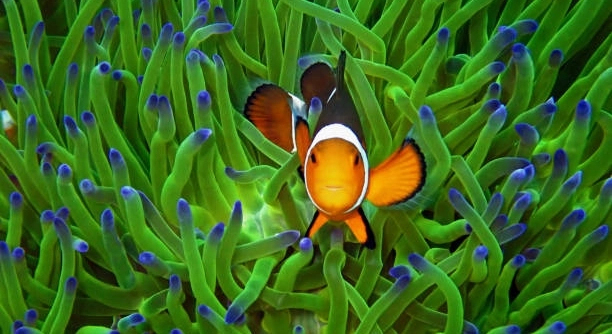
Do you ever find yourself staring at your clownfish, only to notice it sleeping in a completely different spot than usual? Changes like this can feel confusing, especially when everything else in the tank looks the same.
The most common reason clownfish change their sleeping spot is due to shifts in comfort, safety, or environmental conditions such as lighting, water flow, or territory dynamics with tank mates.
Tank changes, subtle or obvious, can influence where your clownfish feels most at ease. Understanding these reasons can help you better support its comfort and well-being.
Common Reasons Your Clownfish Moved Sleeping Spots
Clownfish often pick new sleep spots when something shifts in their tank. It might be as simple as a small change in light direction or something more noticeable, like new coral or a different filter flow. These fish are sensitive to even small disruptions and will move to where they feel safest. If another fish starts coming too close to their usual space, they might decide it’s time for a change. Temperature fluctuations or even minor shifts in water chemistry can also play a part. These changes may not always be obvious to you, but your clownfish notices.
Stress in the tank, such as aggressive tank mates or rearranged decorations, may also cause your clownfish to search for a new sleeping area.
If your clownfish changed sleep spots right after you cleaned the tank, adjusted decorations, or added something new, that might be the reason. Clownfish value stability and react quickly to any change.
How to Help Your Clownfish Settle
Keep lighting and tank decorations consistent from day to day. Sudden changes can make your clownfish feel uncertain and push it to move.
If your clownfish is having trouble settling, check for things that might be bothering it. Look at water quality—ammonia, nitrate, pH, and temperature all need to stay within a safe range. Avoid moving rocks or decorations often, as this can throw off their sense of territory. If you’ve added new tank mates, make sure they’re not being too aggressive or invading the clownfish’s space. Clownfish are territorial by nature and need time to feel comfortable again after any change. You can also try dimming the lights before bedtime to create a calm environment. Making the tank predictable and peaceful can go a long way in helping your clownfish choose a sleep spot and stick with it. Patience helps too—it may take a few days for your clownfish to settle.
Signs Your Clownfish Is Uncomfortable
If your clownfish starts swimming oddly, hiding more than usual, or avoiding certain parts of the tank, it may be feeling stressed. A sudden change in sleep spot can also point to discomfort or irritation in its environment.
Watch how your clownfish interacts with the tank surroundings. If it refuses to eat, breathes heavily, or stays low in the tank for long periods, something could be off. Flicking or scratching against rocks may also signal poor water conditions. Stress in clownfish isn’t always loud or dramatic—it often shows up in small changes to routine or behavior. Keeping an eye out for these shifts can help you respond before things get worse. If your fish seems unusually distant from its usual territory, check for noise, bright lights, or even vibrations nearby. These small things might seem harmless, but they can throw your clownfish off.
Behavior patterns matter a lot with clownfish. If your fish has been acting differently for several days, it’s a sign to look deeper. Subtle signs like staying out of view, shifting between corners, or even floating near the surface can all suggest discomfort. Check the water parameters and tank setup, and look for signs of bullying from other fish. Sometimes, a clownfish may even move sleep spots because of light reflections or a small current change. A quiet, steady routine helps them feel secure. Noticing and understanding these little changes lets you create a better space for your fish to feel calm again.
Tank Changes That Can Affect Behavior
Simple changes like adjusting the filter flow, swapping plants, or cleaning decorations can shift how your clownfish behaves. Even a new background or lighting change might be enough to make it move.
If you’ve cleaned the tank recently or added new items, your clownfish may take time to get used to everything again. Clownfish are known to form strong attachments to specific spaces, especially anemones or favorite rocks. When those spaces are touched or removed, they lose their sense of safety. Some fish also react to changes in how shadows move through the tank or new reflections on the glass. Rearranging rocks or coral, even just a little, might block their usual path or change the water flow in ways that make it less comfortable. That’s enough to cause your clownfish to switch sleep spots, even if everything else stays the same. Keeping things stable can really help.
Nighttime Behavior Changes
Clownfish often become less active at night, but if they suddenly start roaming or staying close to the surface, something might be wrong. Light disturbances or a noisy room at night can easily affect their usual sleeping habits.
Some clownfish may also react to moonlights or LED lighting changes. Even subtle light shifts during the night can confuse them, making them pick new sleeping areas. Consistent lighting and a quiet space can help bring back their normal routine.
What to Check in Your Tank Setup
Look closely at water flow, lighting, and hiding spaces. Make sure your tank doesn’t have strong currents near the old sleeping spot. Clownfish prefer low-flow areas when resting. If lights are too bright, especially at night, consider dimming them or using a softer setting. Check if any decorations have shifted. A small rock that blocks a view or changes a pathway might make your clownfish feel exposed. Also check if a tank mate has taken over its usual sleeping area. Give your clownfish plenty of hiding spots so it can find a new space where it feels safe again.
When to Ask for Help
If your clownfish shows strange behavior for more than a few days, it’s okay to ask for help. A vet or aquarium expert can check if something more serious is going on.
FAQ
Can clownfish sleep anywhere in the tank?
Yes, clownfish can technically sleep anywhere, but they prefer safe, sheltered spots. Many like to sleep near anemones, soft corals, or tucked behind rocks. These spots offer a sense of security. If those spots are disturbed or no longer feel safe, the clownfish may move. Some even sleep near the water’s surface or low in the tank if they feel uneasy. It’s not unusual to see them in odd spots from time to time, especially after a tank change. As long as they’re breathing normally and not showing signs of stress, it’s usually okay.
Do clownfish always sleep in the same spot?
Most clownfish like routine and will sleep in the same place night after night. But if they sense a change in the tank—like lighting, water flow, or other fish behavior—they might move. It doesn’t always mean something is wrong. Sometimes they just find a spot that feels more comfortable or quiet. If they start switching spots often or act stressed, it’s a good idea to check the tank for changes. Otherwise, an occasional move is part of their natural behavior.
How can I tell if my clownfish is sleeping or sick?
Sleeping clownfish usually hover in place, stay near a favorite object, or gently drift with slow fin movement. Their colors stay bright, and they don’t gasp or twitch. Sick clownfish may breathe heavily, lay on their side too long, lose color, or avoid food. If your fish is floating oddly or hiding all the time—even during feeding—it might be sick, not just resting. Watching for a pattern helps. If your clownfish looks normal during the day but rests quietly at night, it’s most likely just sleeping.
Is it normal for clownfish to sleep near the surface?
It can be normal, especially if their usual sleeping spot has changed or feels unsafe. Some clownfish may sleep just under the surface if the lower tank area feels too exposed. If it’s a new behavior, check for changes in the tank. Make sure water parameters are good, and that no aggressive tank mates are nearby. Sleeping at the surface all the time could also point to low oxygen or high stress, so it’s worth checking the equipment and water quality just to be safe.
What kind of sleep spot do clownfish prefer?
They prefer quiet, low-flow areas with cover—places where they feel hidden and safe. Anemones are a favorite for many, but if none are present, soft corals or decorations like caves or tunnels work too. They often pick a spot close to where they spend most of their time during the day. Once they choose, they usually stick to it unless something changes. If you’re setting up a new tank, try to offer several shaded or tucked-away places for them to choose from.
Why did my clownfish suddenly stop sleeping in its anemone?
This could be from stress, environmental changes, or even competition from another fish. If the anemone moved, closed up, or changed its position, the clownfish might not feel safe there anymore. Check if the water flow around the anemone changed or if another fish started staying near it. Also, if the anemone isn’t healthy, the clownfish may avoid it. Sometimes they return once things feel right again, but it helps to reduce tank changes while they adjust.
Can clownfish sleep without an anemone?
Yes, they can. While clownfish naturally host anemones in the wild, in captivity, they often sleep without them. They will use coral, tank decorations, or even corners to rest. The key is having a calm space that feels safe. Anemones aren’t required, but if you do have one, make sure it’s healthy and the clownfish has bonded with it. If not, it may just choose another spot that feels more comfortable.
Why do clownfish sleep more some days than others?
Clownfish might rest more when they’re stressed or if the tank is darker than usual. A quiet, low-light environment encourages longer rest. If they’re less active but still eating and swimming normally during the day, it’s likely nothing serious. However, if extended rest comes with changes in appetite, color, or breathing, check for water quality issues. They can also sleep more after being startled or moved. A consistent tank setup helps them feel secure enough to rest on a regular schedule.
Final Thoughts
Clownfish are interesting little fish that often follow routines and stick to the same habits. When they suddenly change where they sleep, it can feel confusing or even a bit worrying. But most of the time, the reason is simple and not something to panic about. It could be a small change in the tank that you didn’t even notice—like a new light reflection, a shift in water flow, or a decoration that moved slightly. These things can be enough to make your clownfish feel unsure and push it to find a new place that feels safer or more comfortable.
It’s important to remember that clownfish are sensitive to their surroundings. They notice things we might not pick up on right away. That’s why even small changes can make a big difference in how they behave. Watching your clownfish and learning its habits can help you spot any changes early. If your clownfish keeps changing sleeping spots, or if it seems stressed, it’s a good idea to check water quality, lighting, and tank layout. Making sure the tank is quiet and stable can go a long way in helping your fish feel calm again. Also, giving your clownfish more than one hiding spot can help it choose a place where it feels secure.
A clownfish changing sleep spots doesn’t always mean something is wrong. Sometimes it’s just a sign that it’s adjusting to a change or responding to something new in the tank. As long as it’s eating well, swimming normally, and not showing signs of illness, it’s usually nothing to worry about. Still, it’s always helpful to keep an eye on things and make sure your tank setup supports healthy, relaxed behavior. With patience and a little observation, you’ll start to understand what makes your clownfish feel safe and settled. That way, you can give it the best home possible and enjoy watching its unique habits grow over time.

Hello,
If you enjoy the content that we create, please consider saying a "Thank You!" by leaving a tip.
Every little bit helps us continue crafting quality advice that supports the health, happiness, and well-being of pets around the world, for pets of all shapes, sizes, and species.
We really appreciate the kindness and support that you show us!