
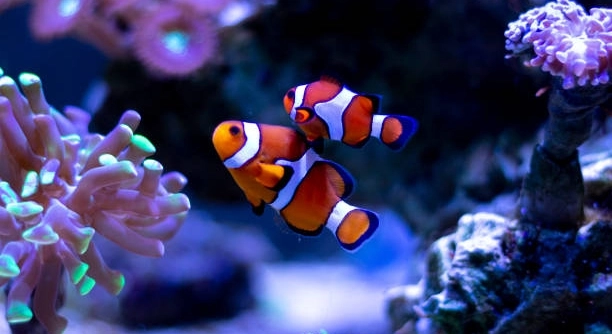
Clownfish are small, colorful fish often found in coral reefs. They spend most of their time close to sea anemones, rarely swimming far into open water. Their behavior helps them stay safe in a dangerous environment.
Clownfish avoid open water because it exposes them to predators and harsh conditions. Staying near anemones provides protection through shelter and a mutual relationship, allowing them to survive and thrive within a limited territory.
Learning about clownfish behavior reveals how they balance safety and survival in the ocean’s complex ecosystem. This understanding sheds light on their unique adaptations and the importance of their habitat.
The Role of Sea Anemones in Clownfish Safety
Clownfish rely heavily on sea anemones for protection. These anemones have stinging tentacles that deter predators, creating a safe space for clownfish to live. In return, clownfish help the anemones by cleaning them and providing nutrients through their waste. This mutual relationship allows clownfish to avoid venturing into open water where danger is higher. The tentacles act like a natural barrier, so clownfish feel secure staying close by. Because of this partnership, clownfish don’t need to swim far, reducing their risk of being caught by larger fish. Staying near anemones also helps clownfish find food scraps and shelter from strong currents. This close connection explains why clownfish rarely leave their home anemones, showing how important this relationship is for their survival and everyday life.
This relationship is essential to the clownfish’s survival and influences their behavior strongly. Their safety depends on staying near anemones.
Clownfish also adapt their swimming style to stay close to anemones. They use short, quick movements to avoid drawing attention. This behavior minimizes energy use and keeps them within the protective reach of their host. The combination of protection, food, and shelter makes the anemone a perfect home, keeping clownfish from exploring open water.
Predators and Risks in Open Water
Open water presents many threats to clownfish. Without the shelter of anemones, they are easy targets for larger fish. Predators can spot them quickly because clownfish are bright and small. Swimming far from cover increases the chance of being caught. Strong currents and waves also make it hard for clownfish to survive outside their protected area.
Because open water is risky, clownfish tend to stay in familiar, safer spaces close to their anemones. This cautious behavior helps reduce the chances of injury or death. Staying close allows them to react quickly to any danger nearby. It also means they can quickly hide if threatened, which is crucial for their survival. Overall, avoiding open water is a smart way for clownfish to protect themselves in a risky environment.
Clownfish Territorial Behavior
Clownfish are very territorial and rarely leave their host anemone. This helps them avoid conflicts and maintain a safe home base. Their small territory is enough to meet their needs without risking unnecessary dangers.
Their territorial nature means clownfish often defend their anemone from intruders. This includes other clownfish and different species that might try to settle nearby. By protecting their space, they ensure access to food and shelter. This behavior reduces competition and helps maintain balance within the reef. Territorial disputes can be intense but usually don’t lead to serious harm, as clownfish rely on quick displays and chasing rather than fighting.
This strong sense of territory also limits their movement, preventing them from exploring open water where predators wait. Staying close to their anemone keeps them safe and provides a steady environment for breeding and raising young. The territorial behavior of clownfish is a key part of their survival strategy in the ocean.
Adaptations That Help Clownfish Stay Safe
Clownfish have a special mucus coating that protects them from anemone stings. This adaptation allows them to live safely among the anemone’s tentacles, where other fish cannot go. The mucus prevents the stinging cells from firing on the clownfish’s skin.
Besides their mucus protection, clownfish use bright coloring to warn predators of their close relationship with the dangerous anemone. Predators often avoid clownfish because getting too close risks a painful sting. The bright colors also help clownfish recognize each other and maintain their social structure. These adaptations make clownfish well-suited to their niche and reduce the need to swim far from their anemone. Together, the mucus coating and coloring provide physical and visual protection that keeps clownfish secure.
Social Structure of Clownfish
Clownfish live in small groups with a clear social hierarchy. The largest female leads the group, followed by a dominant male and smaller subordinate males. This order keeps the group stable and organized.
If the dominant female dies, the dominant male changes sex to become the new female. This unique system helps maintain balance within the group and ensures reproduction continues without disruption.
Why Clownfish Don’t Wander
Clownfish don’t wander far because leaving the safety of their anemone increases risks. Staying close helps them avoid predators and harsh ocean currents, making their environment more predictable and secure.
Feeding Habits
Clownfish mainly eat small invertebrates and algae near their anemone. Their limited movement means they rely on food sources close by. This feeding habit ties them closely to their habitat and influences their behavior.
FAQ
Why do clownfish stay close to sea anemones?
Clownfish stay near sea anemones because the anemones provide protection with their stinging tentacles. Clownfish have a special mucus that prevents them from being stung. This safe space helps clownfish avoid predators and harsh conditions found in open water. The anemone also offers food scraps and shelter from strong currents.
How does the clownfish’s mucus protect it from anemones?
The mucus coating on clownfish skin is unique. It stops the anemone’s stinging cells from firing, which means the clownfish can swim safely among the tentacles without being harmed. Without this mucus, clownfish would be stung and likely killed if they got too close.
Do all clownfish live with anemones?
Most clownfish live in a close relationship with specific types of sea anemones. This mutual benefit is essential for their survival. However, some clownfish may occasionally be found away from anemones, but these cases are rare because it increases their risk of predation.
What happens if a clownfish leaves its anemone?
If a clownfish leaves its anemone, it becomes vulnerable to predators. Open water offers little protection, and clownfish are small and brightly colored, making them easy targets. They also lose shelter from strong currents and risk exposure to harsh environmental conditions.
How do clownfish defend their territory?
Clownfish defend their territory by chasing away intruders with quick movements and aggressive displays. They protect their host anemone and nearby area to keep food sources and shelter safe. This territorial behavior limits conflicts but helps maintain control over their small living space.
Can clownfish survive without their anemone?
Clownfish depend heavily on their anemone for protection, food, and shelter. Without it, their chances of survival drop significantly. They would face more predators, less food, and stronger currents. While they might survive briefly, long-term survival without an anemone is very unlikely.
How does the social hierarchy affect clownfish behavior?
The social hierarchy keeps clownfish groups stable. The largest female leads, the dominant male supports her, and smaller males stay lower in rank. This order limits fighting and confusion, helping the group focus on survival and reproduction. If the female dies, the dominant male changes sex to take her place.
Why do clownfish avoid open water but some other fish don’t?
Clownfish avoid open water mainly because they are small and brightly colored, making them easy prey. Their survival depends on staying near anemones for protection. Other fish that are bigger, faster, or camouflaged can take more risks in open water. Clownfish rely on safety more than speed or camouflage.
How do clownfish find food near their anemone?
Clownfish feed on small invertebrates, algae, and leftover food particles near their anemone. They use short swimming bursts to catch food close by, minimizing energy use and danger. This limited range keeps them safe while meeting their dietary needs.
Do clownfish and anemones always benefit equally from their relationship?
Usually, the relationship between clownfish and anemones is balanced and helpful for both. Clownfish get protection and food, while anemones receive cleaning and nutrients. However, if the environment changes or food is scarce, this balance can be disrupted, which may affect both species.
Are clownfish affected by changes in the reef environment?
Yes, clownfish depend on healthy reefs and anemones. Pollution, warming oceans, and reef damage can harm anemones and reduce safe habitats for clownfish. These changes force clownfish to stay in smaller areas or face greater risks, impacting their survival chances.
Can clownfish live in aquariums without anemones?
Clownfish can live in aquariums without anemones, but it is not their natural environment. Without anemones, they lose some protection and natural behaviors. Many aquarium owners provide other hiding spots and a safe setup to help clownfish feel secure.
How do clownfish react to predators near their anemone?
When predators come close, clownfish quickly retreat into their anemone’s tentacles. They may also display aggressive behavior by chasing small intruders away. Their protective relationship with the anemone helps reduce attacks and gives them a safe place to hide.
What role do currents play in clownfish behavior?
Strong currents make open water dangerous for clownfish. They prefer staying in sheltered areas near anemones to avoid being swept away or exhausted. Staying close helps them conserve energy and maintain control over their territory.
Do clownfish ever change their behavior in captivity?
In captivity, clownfish may behave differently due to changes in environment and absence of predators. They might be less territorial or more exploratory if the tank is safe and food is abundant. However, their natural tendencies to stay near hiding spots often remain.
Clownfish are fascinating creatures that have adapted well to their specific environment. Their close relationship with sea anemones is one of the key reasons they avoid open water. By staying near anemones, clownfish gain protection from predators and harsh ocean conditions. This safety allows them to live, feed, and reproduce in a small, controlled space. The unique mucus coating on clownfish skin prevents them from being harmed by the anemone’s stings, which makes this relationship possible. Without the anemone, clownfish would be much more vulnerable and less likely to survive. This strong bond between clownfish and anemones shows how important partnerships are in nature.
The territorial behavior of clownfish is another important factor that keeps them close to their home anemone. They defend their space to keep food sources and shelter safe from other fish. This behavior limits their movement and reduces the chance of encountering predators in open water. Clownfish groups have a clear social order that helps maintain balance and reduce conflicts. The dominant female leads the group, while the other members have specific roles. This system works well for their survival and reproduction. The combination of their protective home, strong social structure, and cautious nature makes clownfish well suited to their environment.
Understanding why clownfish avoid open water helps explain their behavior and how they survive in the ocean. Their safety depends on staying close to the anemone and keeping to a small territory. The risks of leaving their shelter, such as predators and strong currents, are too great. Clownfish rely on their adaptations, like their mucus coating and bright colors, to stay protected while living near the anemone. These factors come together to shape their lifestyle, showing how animals can evolve to fit their surroundings perfectly. The clownfish and anemone relationship is a great example of nature’s balance and how species depend on one another.

Hello,
If you enjoy the content that we create, please consider saying a "Thank You!" by leaving a tip.
Every little bit helps us continue crafting quality advice that supports the health, happiness, and well-being of pets around the world, for pets of all shapes, sizes, and species.
We really appreciate the kindness and support that you show us!