
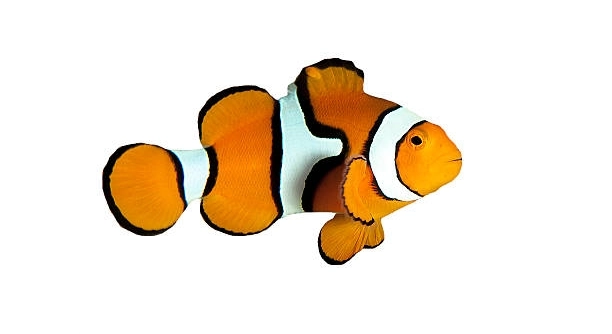
Have you ever set up a saltwater tank and found yourself watching your clownfish closely, wondering if they’re ready to breed?
Clownfish are ready to breed when they form a bonded pair, exhibit territorial behavior around a nesting site, and the female becomes noticeably larger. These signs, along with regular cleaning of a flat surface, indicate spawning readiness.
Learning what to look for can help you support their breeding process and ensure the tank environment meets their needs.
Signs Your Clownfish Are Ready to Breed
Clownfish show clear signs when they’re ready to breed. The first thing you may notice is pairing behavior. A bonded male and female will stay close together, often swimming side by side and becoming more protective of their space. The female will start to grow larger, especially around her belly. The pair will also clean a flat surface, such as a rock or tank wall, preparing it for eggs. This surface will usually be near their host anemone or chosen shelter. Their movements may become more focused, with the male spending time fanning or inspecting the cleaned area. These small routines are not random; they are important signs that breeding may happen soon. If you observe these behaviors consistently, your clownfish are likely ready to spawn. Keep their environment calm and avoid moving tank decorations during this time, as changes can delay or stop the process entirely.
Behavior becomes more territorial, especially near their selected nest site. Both fish may chase others away or stay close to their chosen area.
Feeding habits may also shift slightly during this time. The female may eat more as she prepares to lay eggs, while the male may begin to focus more on nest preparation. It’s best to continue providing a stable, high-quality diet with a mix of protein-rich foods and marine flakes. Clean water and steady temperatures are also important. Avoid sudden changes, as clownfish are sensitive to their surroundings, especially during breeding periods. Adding a gentle water flow near the breeding site can help mimic natural ocean conditions and encourage spawning. Observing these subtle changes and responding appropriately can make a big difference in successful breeding. Once you understand their signals, you’ll be better prepared to support a healthy and stable environment for your clownfish pair.
Preparing the Tank for Breeding
A calm and clean tank will help your clownfish stay focused on spawning. Make sure water conditions are stable and provide a flat surface for eggs.
To support breeding, keep the tank between 78°F and 82°F, and maintain a salinity level of 1.020–1.025. A stable light schedule, like 12 hours on and 12 off, helps reinforce natural rhythms. Use a sponge filter or gentle current to keep the water clean without disturbing the nest. Keep tank mates minimal or none at all, especially during spawning. It’s also helpful to add a tile or flat rock for the female to lay eggs. Once eggs are laid, the male usually guards and cares for them. Avoid disturbing the nest during this time. If you plan to raise the fry, be prepared to move them to a separate tank after hatching and have rotifers or baby brine shrimp ready for feeding. Proper setup improves the chances of a successful spawn.
Breeding Behavior to Watch For
The male clownfish takes the lead once the female is ready to lay eggs. He fans the nest area and guards it, staying close and alert. The female will hover nearby until she’s ready to release the eggs.
During spawning, the female lays hundreds of small, orange eggs on the cleaned surface. The male follows closely behind, fertilizing them as she moves. After spawning, the male stays near the eggs almost constantly. He fans them with his fins to keep the water fresh and removes any that appear unhealthy. This care continues daily for about 6 to 10 days, depending on the water temperature. It’s important to avoid loud noises or sudden tank changes during this time, as stress can affect both the parents and the eggs. Observing these behaviors is a good sign that your clownfish pair is settled and functioning well as a breeding pair.
As the eggs develop, you’ll notice color changes. They start out bright orange and darken over time. A silvery sheen will appear in the last couple of days before hatching, showing the developing eyes of the baby clownfish. The male continues to guard and tend to them closely during this phase. Just before hatching, which usually happens at night, the pair may act more alert or restless. To prepare for hatching, dim the lights in the tank or keep the room dark. This mimics their natural environment and encourages a safe hatching process. It’s also the right time to set up a separate rearing tank if you plan to raise the fry. Being ready in advance can make this transition much easier and reduce risks to the newborn fish.
After the Eggs Hatch
Newly hatched clownfish are extremely small and delicate. They float near the surface and need immediate access to proper food. Rotifers are usually the best choice for the first few days, followed by baby brine shrimp.
You’ll need to move the fry into a separate rearing tank as soon as possible to keep them safe. A sponge filter is best for gentle water flow. Keep the temperature similar to the main tank, and avoid bright lighting. Feeding should happen several times a day in small amounts. Clean the tank daily to remove waste and leftover food. Once the fry are large enough to eat baby brine shrimp, you can gradually adjust their diet. Be patient during this stage—growth takes time. After a few weeks, the fry will start to develop their color patterns. When they are large enough not to be eaten or harmed, you can begin introducing them to a regular tank setup.
Common Breeding Challenges
Clownfish may pair up but still take weeks or even months before they breed. Stress, tank mates, and unstable water conditions often delay the process. A calm, consistent setup makes a big difference.
Sometimes the male may eat the eggs. This can happen if he’s inexperienced or the environment feels unsafe.
When to Expect the Next Spawn
After the first successful hatch, clownfish may spawn again within 10 to 14 days if conditions remain stable. The female often prepares quickly, and the pair repeats the same nesting and guarding behavior. Regular, high-protein meals help keep them in breeding condition. Keep tank lighting and water levels consistent. Once your pair gets used to the process, they may breed regularly—sometimes as often as every two weeks. If you plan to raise fry long-term, it helps to rotate two rearing tanks. This allows time for cleaning and preparation between spawns without interrupting the care of newly hatched fish.
Monitoring Their Health
Watch for signs of stress like loss of appetite or faded color. Healthy breeding pairs stay active, alert, and responsive to each other.
FAQ
How old do clownfish need to be before they can breed?
Clownfish typically need to be at least 1 to 2 years old before they are mature enough to breed. In many cases, they reach sexual maturity around 12 months, but some take longer, especially in a tank setting. The dominant fish in a pair becomes female, while the smaller, submissive one becomes male. If you have a group of young clownfish, it will take time for a dominant pair to form. Once that happens, the female will begin growing larger than the male, and their roles will become more defined. Breeding usually begins after a stable pair has formed.
Do clownfish need an anemone to breed?
No, clownfish do not need an anemone to breed in captivity. While they naturally form a symbiotic relationship with anemones in the wild, it’s not required for spawning in a tank. Most clownfish will still breed if they have a comfortable space, clean water, and a flat surface for laying eggs. Providing a tile or flat rock is usually enough. That said, some aquarists find that hosting an anemone can encourage natural behaviors and help the pair feel more secure. If you do add an anemone, be sure the tank is large enough and the lighting is suitable for its needs.
How can I tell the difference between a male and female clownfish?
The female clownfish is always larger than the male. In a bonded pair, the female usually takes on a more dominant role, while the male stays close and performs tasks like cleaning the nest and fanning the eggs. All clownfish are born male, and the most dominant one in a group will become female over time. If the female dies or is removed, the next dominant male will turn into a female. This natural sex change is common in clownfish and helps ensure a breeding pair can still form even in small groups or isolated tanks.
What should I feed breeding clownfish?
A high-protein diet is best for breeding clownfish. Offer a mix of frozen or live foods like brine shrimp, mysis shrimp, and marine pellets. Feed them small amounts two to three times a day to support their energy and reproductive health. Quality nutrition helps the female produce healthy eggs and gives the male strength to care for them. Avoid overfeeding, as it can lead to poor water quality, which stresses the fish. If your pair is actively breeding, keeping them on a consistent feeding schedule will improve their spawning success and recovery between spawns.
Why do clownfish sometimes eat their eggs?
Egg-eating usually happens when the male is young or inexperienced. It can also happen if the environment feels unsafe or if water conditions are poor. Sometimes, the male will remove unhealthy or unfertilized eggs, which is normal. But if he eats all of them repeatedly, the pair may need more time to settle. Keeping the tank quiet and clean helps reduce stress. In time, the male usually learns how to properly guard and care for the eggs. Many clownfish pairs improve their spawning behavior after a few unsuccessful attempts, especially if the environment is stable.
How long does it take for clownfish eggs to hatch?
Clownfish eggs typically hatch in 6 to 10 days. The exact timing depends on water temperature, with warmer temperatures speeding up development. You’ll notice the eggs darken and the eyes of the fry become visible a day or two before hatching. Hatching usually occurs at night, just after lights go out. If you plan to raise the fry, you’ll need to transfer them to a rearing tank as soon as they hatch. Preparing the tank in advance with proper food (like rotifers) and clean water will help improve survival rates in the early days.
Can I keep clownfish fry in the same tank as the parents?
No, it’s not recommended. Clownfish fry are extremely small and need specialized care. Most will not survive in a general tank environment with adult fish, even if the parents are not aggressive. The fry require specific foods like rotifers, calm water, and gentle filtration. A separate rearing tank gives you control over those conditions. Once they grow large enough to eat brine shrimp and handle stronger currents, they can gradually be introduced into a standard tank. Keeping them separate during the early stages gives them a better chance of survival and healthy development.
Final Thoughts
Breeding clownfish can feel a little overwhelming at first, but once you understand their patterns and needs, it becomes more manageable. These fish are naturally good parents, especially when given a quiet, stable environment. Watching a pair form a bond, prepare a nest, and care for their eggs can be rewarding. It also helps you connect more with your tank setup and encourages you to pay closer attention to water quality, temperature, and feeding. Breeding is not something that happens overnight, so patience is important. Some pairs take weeks or even months before they start, even if all the right conditions are in place.
Small details often make the biggest difference. Things like keeping a steady feeding schedule, minimizing tank changes, and avoiding sudden noise or light disruptions can support successful spawning. If your first few attempts don’t go as planned, that’s normal. Many clownfish pairs need time to learn and improve. Over time, they usually become more consistent with their breeding behavior. If you’re planning to raise the fry, having a second tank ready ahead of time can make the process smoother. Even if you don’t raise every batch of fry, observing the parents care for the eggs can still be an enjoyable experience.
Whether your goal is to grow your clownfish population or just better understand their behavior, learning how to support breeding is a useful skill. You don’t need special equipment or experience to start—just some patience, clean water, and a watchful eye. As long as you keep the environment stable and their diet balanced, your clownfish pair has a good chance of breeding successfully. And even if breeding isn’t your long-term goal, knowing the signs can help you recognize when your clownfish are healthy and comfortable in their tank. Breeding is just one more way they express their natural behaviors in captivity, and being able to support that can make your time with them even more meaningful.

Hello,
If you enjoy the content that we create, please consider saying a "Thank You!" by leaving a tip.
Every little bit helps us continue crafting quality advice that supports the health, happiness, and well-being of pets around the world, for pets of all shapes, sizes, and species.
We really appreciate the kindness and support that you show us!