
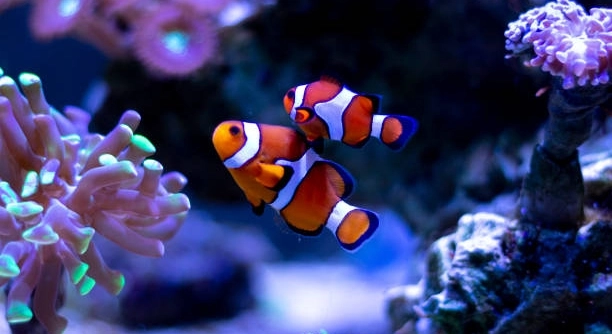
Clownfish are known for their bright colors and lively movements. One behavior that often catches attention is their habit of shaking their whole body. This action may look unusual but serves important purposes in their daily life.
Clownfish shake their bodies primarily to remove parasites, clean their skin, and communicate with other fish. This shaking helps maintain their health and strengthens social bonds within their groups, ensuring survival in their natural coral reef habitats.
This simple behavior reveals more about clownfish biology and social life than it might first appear. Exploring these details helps us appreciate their unique role in the ocean environment.
Why Clownfish Shake Their Whole Body
Clownfish often shake their entire body to get rid of small parasites that can irritate their skin. This behavior helps them stay clean and healthy in their ocean environment. Shaking also removes dirt and algae that might stick to their scales. In addition, it is a way for clownfish to communicate with other fish nearby. The movement signals their presence and helps establish territory, especially among groups living close to sea anemones. By shaking, they can also warn others to keep their distance or show submission. This simple action plays a vital role in maintaining their wellbeing and social order in the reef. Without this shaking, clownfish might become more vulnerable to infections or fights with neighbors.
Shaking is a natural behavior that helps clownfish protect themselves and their space efficiently.
Understanding why clownfish shake their bodies adds insight into how they survive and thrive in coral reefs, balancing cleanliness and social interaction.
How Shaking Helps with Parasite Control
Shaking is a key defense against parasites that attach to clownfish skin. These tiny organisms can cause discomfort and harm if not removed regularly. When clownfish shake, the rapid movement dislodges these parasites before they can cause damage. This helps prevent infections and keeps the fish healthy. The process is essential because clownfish live in environments where parasites are common. Additionally, the shaking encourages water flow over the skin, improving oxygen exchange and overall skin condition. Without this behavior, clownfish would struggle with health problems that reduce their chances of survival. Shaking is an instinctive, low-energy way to maintain their skin’s health naturally. It complements other cleaning behaviors, such as rubbing against coral or sea anemones, creating a complete system for parasite control in their daily lives.
Shaking as Communication
Clownfish use shaking to communicate with each other within their group. It helps establish social hierarchy and signals their mood or intentions. This physical cue is important for maintaining peace in their close communities.
When clownfish shake, other fish recognize the signal and respond accordingly. For example, a dominant fish may shake to show authority, while a submissive one may shake to signal submission or avoid conflict. This communication reduces aggressive encounters and helps keep the group stable. It also plays a role during mating rituals, where shaking can attract potential partners or strengthen pair bonds. The behavior is subtle but effective in coordinating interactions without physical fights. Shaking is part of the complex social system clownfish rely on to live successfully together.
This form of communication shows how body language is vital in fish societies, just like it is for many animals.
Role of Shaking in Cleaning and Maintenance
Shaking helps clownfish keep their skin and scales clean from debris and harmful substances. It works alongside other behaviors like rubbing against sea anemones to maintain their health. Keeping their skin clean prevents infections and improves their comfort in their environment. The shaking causes water to flow rapidly over their body, washing away dirt and microorganisms. This is especially important since clownfish spend most of their time near coral reefs, where particles and algae can easily accumulate. The combination of shaking and rubbing is a natural grooming process that promotes healthy skin and better protection against predators. It also supports the mutual relationship clownfish have with anemones, as clean skin allows them to stay safely within the anemone’s tentacles without harm.
Shaking and Stress Relief
Clownfish also shake their bodies to release stress. This quick movement helps them stay calm after feeling threatened or during changes in their environment.
Shaking acts as a natural way to reduce tension and maintain balance. It allows them to reset their behavior and remain alert without becoming overwhelmed.
Shaking During Breeding
Shaking is common during breeding periods. It signals readiness to mate and helps strengthen bonds between partners. This behavior supports reproduction success and ensures the next generation’s survival.
Interaction with Sea Anemones
Shaking helps clownfish interact safely with their host sea anemones. It prevents irritation and allows the fish to adjust comfortably within the tentacles.
FAQ
Why do clownfish shake more when they are near sea anemones?
Clownfish shake more near sea anemones to clean their skin and prevent irritation from the anemone’s stinging cells. This movement also helps them adjust their protective mucus layer, which keeps them safe from the anemone’s tentacles. Shaking supports their unique relationship by keeping both the fish and anemone healthy.
Is shaking a sign of illness in clownfish?
Shaking is usually a normal behavior, but excessive or unusual shaking can indicate stress or illness. If a clownfish shakes constantly or looks weak, it might be dealing with parasites or poor water quality. Monitoring other symptoms like color changes or loss of appetite helps identify if the shaking is a health concern.
How often do clownfish shake their bodies?
Clownfish shake intermittently throughout the day, often after resting or swimming actively. The frequency depends on environmental factors like water conditions, presence of parasites, and interactions with other fish. Regular shaking keeps them clean and alert but is not a constant behavior.
Do all clownfish shake their bodies?
Yes, shaking is common among all clownfish species. It serves similar functions such as parasite removal, communication, and stress relief. The intensity and style of shaking can vary slightly depending on the species and individual fish personality.
Can shaking help clownfish avoid predators?
Shaking itself is not a direct defense against predators. However, by keeping their skin clean and healthy, clownfish stay more agile and better able to escape threats. Shaking also signals confidence to other fish, which can help avoid unnecessary confrontations.
Is shaking related to clownfish breathing?
While shaking increases water flow over the skin, it is not directly related to breathing. Clownfish breathe using their gills, but shaking can improve oxygen exchange slightly by moving water around them. This can be helpful in low-oxygen environments.
Do clownfish shake more in captivity?
Clownfish in captivity might shake more or less depending on tank conditions. Stress from poor water quality or lack of hiding spaces can increase shaking. Conversely, well-maintained tanks with proper conditions often reduce unnecessary shaking. Observing shaking patterns helps assess fish wellbeing in aquariums.
Does shaking affect clownfish social behavior?
Shaking plays a key role in social behavior by signaling mood and status. It helps avoid fights and supports bonding within groups. Clownfish rely on body language, including shaking, to maintain a peaceful and cooperative community.
Are there other fish that shake like clownfish?
Yes, many fish species use shaking or body vibrations for cleaning, communication, or stress relief. While the reasons can vary, shaking is a common natural behavior in aquatic environments to help maintain health and social order.
How can I tell if shaking is normal or a problem?
Normal shaking is brief and happens occasionally. If shaking is constant, violent, or paired with other signs like lethargy, skin damage, or abnormal swimming, it could be a problem. Checking water quality and consulting a specialist is advised if you notice unusual shaking patterns.
Clownfish shaking their whole body is a natural and important behavior that serves several purposes. It helps them stay clean by removing parasites, dirt, and algae that could cause health problems. This simple movement also plays a role in their social life by allowing them to communicate with other clownfish. Shaking signals their mood, status, and intentions, which helps keep peace and order within their groups. By understanding this behavior, we gain insight into how clownfish live and interact in their coral reef habitats.
Besides cleaning and communication, shaking helps clownfish manage stress and maintain comfort. After feeling threatened or during environmental changes, shaking acts as a way to release tension and reset their state. It is also connected to their relationship with sea anemones. Clownfish use shaking to prevent irritation from the anemone’s stinging tentacles and adjust their protective mucus layer. This behavior supports their unique partnership, which is essential for their survival. Each of these functions shows how shaking is a small but vital part of clownfish biology and daily life.
Observing clownfish shake reveals how animals use simple actions to handle complex challenges. The behavior improves their health, social connections, and safety in the wild. For those who keep clownfish in aquariums, recognizing the signs and reasons behind shaking can help provide better care. It is important to monitor shaking patterns and look for any changes that might indicate stress or illness. Overall, shaking is a useful behavior that benefits clownfish in many ways and reflects their adaptation to their environment.

Hello,
If you enjoy the content that we create, please consider saying a "Thank You!" by leaving a tip.
Every little bit helps us continue crafting quality advice that supports the health, happiness, and well-being of pets around the world, for pets of all shapes, sizes, and species.
We really appreciate the kindness and support that you show us!