
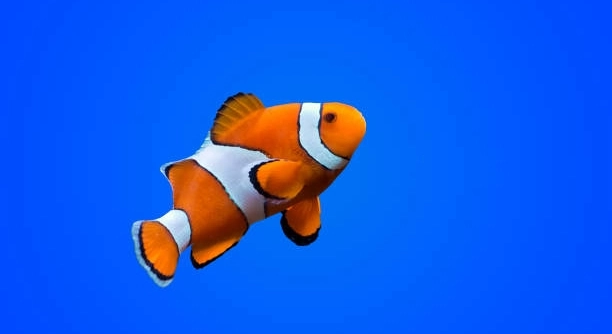
Clownfish are popular in home aquariums because of their bright colors and interesting behaviors. Sometimes, their actions can look unusual or worrying to owners. These behaviors might be mistaken for signs of illness, causing concern.
Certain clownfish behaviors that seem like illness, such as hiding, lethargy, or rapid breathing, can actually be normal responses to environmental changes, stress, or social interactions rather than indicators of disease. Understanding these distinctions is important for proper care.
Recognizing the difference between normal and problematic behavior can help keep clownfish healthy and reduce unnecessary stress for both fish and owners.
Hiding Behavior That Seems Like Illness
When a clownfish suddenly starts hiding more than usual, it often raises alarms. This behavior can look like the fish is sick or weak, but it’s often a response to stress or changes in its environment. New tank setups, water quality shifts, or the presence of aggressive tank mates can all cause clownfish to seek shelter. Hiding can also be a natural way for clownfish to feel safe, especially if they are adjusting to new surroundings or recovering from a minor injury. Observing other signs alongside hiding, such as changes in appetite or appearance, helps determine if the fish is genuinely unwell.
This hiding is usually temporary and resolves as the fish adapts to its environment. It does not always mean there is an illness that needs treatment.
If hiding continues for long periods or is paired with other symptoms like discoloration or rapid breathing, a health issue might be present. Keeping stable water conditions and reducing stress can encourage normal activity and reduce hiding.
Rapid Breathing: A Sign or a Stress Response?
Rapid breathing in clownfish often causes concern because it looks like a symptom of illness. However, this behavior can frequently be caused by stress factors such as poor water quality or insufficient oxygen. Testing water parameters regularly helps ensure the tank environment supports healthy respiration. Proper filtration and aeration are essential to prevent this problem and keep clownfish comfortable.
If rapid breathing is observed without other signs of disease, it’s often linked to environmental stress rather than infection. Improving tank conditions usually resolves the issue. Sometimes, aggressive tank mates or overcrowding can also lead to increased breathing rates due to anxiety.
Monitoring the tank and making sure it meets clownfish needs helps reduce rapid breathing. If it continues alongside lethargy or unusual spots, a veterinary evaluation may be necessary to rule out illness or parasites.
Loss of Appetite and Its Causes
Loss of appetite in clownfish can signal stress, environmental changes, or health problems. It’s important to observe if this behavior is brief or persistent.
Stress from new tank conditions, poor water quality, or bullying from other fish often causes clownfish to stop eating temporarily. Sometimes, changes in diet or water temperature can also affect their hunger. If the fish refuses food for more than a couple of days, it may indicate illness or internal parasites. Observing other signs such as lethargy or unusual swimming can help determine the cause. Offering a variety of fresh, high-quality foods can encourage feeding and support recovery.
If loss of appetite continues, testing water parameters and checking for diseases is necessary. Quarantining the affected fish or consulting a specialist may be required to address serious health issues and prevent further problems in the tank.
Unusual Swimming Patterns
Erratic or unusual swimming often looks like a health problem but may be caused by stress or tank conditions. It can include darting, spinning, or floating oddly.
Poor water quality or sudden changes in temperature can disrupt a clownfish’s balance and cause strange swimming. Aggressive tank mates may also frighten them, leading to rapid, nervous movements. If swimming patterns persist and are accompanied by physical symptoms like clamped fins or discoloration, it might be a sign of illness or parasites. Ensuring the tank is stable, well-filtered, and free of aggressive fish helps prevent these issues.
Providing hiding spots and keeping the environment calm often reduces unusual swimming behavior. Monitoring these patterns closely helps determine if medical treatment is necessary or if environmental adjustments will resolve the problem.
Color Changes That Raise Concern
Color changes in clownfish can sometimes look like illness. However, these changes often happen due to stress or environmental factors.
Temporary fading or darkening is common during tank adjustments or when water quality is off. It usually returns to normal once conditions improve.
Clownfish Cleaning Behavior Misunderstood
Clownfish may rub against surfaces or other fish, which can appear like a health problem. This cleaning behavior helps remove parasites or dead skin. It is a normal part of their routine, not a sign of illness, unless it becomes excessive or causes injury.
Abnormal Gill Movement
Fast or irregular gill movement can suggest breathing difficulties. This often relates to water quality or oxygen levels rather than illness directly. Keeping good tank conditions helps prevent this issue and supports healthy breathing.
Why does my clownfish hide so much?
Clownfish often hide when they feel stressed or unsafe. Changes in the tank environment, such as new decorations or unfamiliar tank mates, can cause this behavior. Poor water quality or sudden noise can also make them retreat. Hiding helps them feel protected while they adjust or recover from minor injuries. If the hiding is temporary and your fish is still eating and swimming normally, it is usually not a sign of illness.
How can I tell if my clownfish is really sick?
Signs of true illness include persistent lethargy, loss of appetite, abnormal spots or discoloration, rapid or labored breathing, and unusual swimming patterns. If your clownfish shows several of these symptoms together or for an extended time, it’s best to test water quality and consider consulting a vet or aquarium specialist. Early detection helps prevent worsening conditions.
Is rapid breathing always a sign of disease?
Not always. Rapid breathing can occur due to stress from poor water conditions, low oxygen levels, or aggressive tank mates. Improving water quality, aeration, and tank environment usually helps. However, if rapid breathing continues with other symptoms like discoloration or lethargy, it could indicate infection or parasites requiring treatment.
Why has my clownfish stopped eating?
Loss of appetite often results from stress, water changes, or poor diet. Introducing new foods slowly and maintaining stable tank conditions encourages feeding. If your clownfish refuses food for several days and shows other symptoms, illness or parasites may be the cause. Monitoring its behavior closely helps identify the issue early.
Can changes in color mean illness?
Color changes sometimes signal stress, water quality issues, or social dominance rather than illness. Temporary fading or darkening is common and usually reversible. If color changes are accompanied by lesions, swelling, or other signs of distress, then illness might be involved, and action should be taken.
Is rubbing or scratching a sign of disease?
Rubbing against tank surfaces or other fish is usually a natural cleaning behavior to remove parasites or debris. It only becomes concerning if excessive, causing wounds or bleeding. In such cases, parasites or skin infections could be present and require treatment.
What causes abnormal swimming in clownfish?
Unusual swimming patterns can result from stress, poor water quality, or aggression from tank mates. If the behavior persists with other symptoms, illness might be the cause. Maintaining a stable environment and avoiding overcrowding reduces this behavior. Persistent abnormal swimming should be assessed for potential health problems.
How can I improve my clownfish’s health?
Keeping stable water parameters, providing a balanced diet, and avoiding aggressive tank mates are key to healthy clownfish. Regular tank maintenance and observation help catch problems early. Quarantining new fish before introduction also prevents disease spread.
Should I treat my clownfish at the first sign of unusual behavior?
Not necessarily. Some behaviors like hiding or color change can be normal responses to stress. Observe for additional symptoms and test water quality first. If symptoms persist or worsen, then treatment or consultation with a specialist is recommended to avoid unnecessary medication.
What water conditions are best for clownfish?
Clownfish thrive in stable, clean saltwater with temperatures between 75-82°F, salinity around 1.020-1.025 specific gravity, and a pH of 8.0-8.4. Good filtration and regular water changes keep ammonia, nitrite, and nitrate levels low, which supports overall health and reduces stress.
How often should I monitor my clownfish’s behavior?
Daily observation is ideal. Noticing subtle changes early helps prevent illness and maintain a healthy tank. Spend a few minutes each day watching your clownfish for appetite, swimming patterns, color, and interaction with the environment.
Can tank mates affect clownfish behavior?
Yes, aggressive or overly active fish can stress clownfish, causing hiding, rapid breathing, or loss of appetite. Choosing compatible tank mates and providing enough space and hiding spots helps reduce stress and promotes natural behavior.
What should I do if I suspect parasites?
Look for excessive rubbing, flashing, white spots, or mucus on your clownfish. Quarantine the affected fish and treat the tank with appropriate medication. Maintain water quality during treatment and follow instructions carefully to avoid harming beneficial organisms.
Is it normal for clownfish to change behavior during breeding?
Yes, breeding pairs may show increased aggression or changes in activity levels. They might hide more or become territorial. These behaviors are natural and usually temporary, but maintaining excellent tank conditions during this time supports successful breeding and health.
How can I prevent illness in clownfish?
Regular tank cleaning, proper diet, quarantining new fish, and avoiding overcrowding are effective prevention methods. Monitoring water quality and fish behavior regularly ensures problems are caught early, helping keep clownfish healthy and vibrant.
Clownfish behavior can sometimes be confusing for aquarium owners, especially when it looks like the fish might be sick. Many behaviors that seem worrying, such as hiding, rapid breathing, or color changes, are often natural responses to their environment or stress. Understanding these behaviors helps avoid unnecessary worry and ensures that the fish are cared for properly. It is important to observe your clownfish closely and consider the full context before assuming illness. This approach helps you respond appropriately and maintain a healthy tank.
Water quality and tank conditions play a big role in clownfish behavior and health. Stable temperatures, clean water, and a peaceful environment reduce stress and promote normal activity. When changes occur in the tank, such as new decorations, different tank mates, or water fluctuations, clownfish may show signs that look like illness but are actually reactions to these changes. Maintaining consistent conditions and providing a good diet supports their well-being and helps prevent real health problems.
If unusual behaviors continue or worsen, it may be necessary to seek advice from an aquarium expert or veterinarian. Early detection of true illness improves chances of recovery and helps protect other fish in the tank. Being patient, observant, and informed about clownfish behavior makes caring for these fish more rewarding. This knowledge ensures that your clownfish live a healthy and comfortable life in their home environment.

Hello,
If you enjoy the content that we create, please consider saying a "Thank You!" by leaving a tip.
Every little bit helps us continue crafting quality advice that supports the health, happiness, and well-being of pets around the world, for pets of all shapes, sizes, and species.
We really appreciate the kindness and support that you show us!