
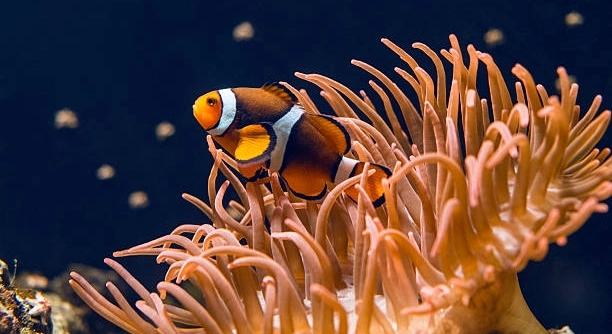
Clownfish are popular pets for many aquarium enthusiasts. Moving them to a new tank can be stressful for both the fish and the owner. Helping clownfish adjust quickly ensures their health and well-being in a new environment.
The best ways to help clownfish adapt include controlling water quality, maintaining stable temperature, minimizing sudden changes, providing hiding spots, and monitoring their behavior closely. These actions reduce stress and promote a smooth transition to the new tank.
Adjusting a clownfish to a new tank requires patience and careful attention to detail. These simple steps can make a big difference in their comfort and safety.
Prepare the Tank Before Introducing Clownfish
Preparing the tank properly before adding clownfish is crucial. Start by cycling the tank to establish beneficial bacteria that break down waste. Test the water regularly to keep ammonia, nitrite, and nitrate levels safe. Keep the temperature steady between 75 and 82°F. Add hiding spots using live rock or decorations to help clownfish feel secure. Make sure the tank is large enough to provide adequate swimming space and reduce stress. Avoid introducing other aggressive fish that could intimidate the clownfish. Taking time to set up the tank creates a stable environment, helping clownfish settle faster once introduced.
Cycling the tank ensures a balanced environment that reduces stress on clownfish and prevents common health issues.
Adding clownfish to an unprepared tank can lead to stress and illness. It’s important to monitor water quality and maintain a consistent environment. Proper tank preparation reduces shock and allows the fish to explore and adapt comfortably. Creating hiding places mimics their natural habitat and offers them safety. This combination of factors supports their well-being during the adjustment period and encourages healthy behavior.
Introduce Clownfish Gradually
When adding clownfish to the new tank, introduce them slowly. Avoid dropping them directly into the water; instead, float the bag to equalize temperature. Slowly mix tank water into the bag over 15 to 30 minutes to help the fish adjust to water chemistry. Release the fish gently into the tank after this process. This gradual introduction helps prevent shock caused by sudden changes in temperature or water quality. Avoid overcrowding the tank with too many new fish at once to reduce stress and aggression.
Gradual introduction minimizes stress and promotes smooth acclimation for clownfish.
A sudden change in environment can be overwhelming for clownfish. Taking time to introduce them gently helps their immune system adjust and prevents harmful reactions. Gradual acclimation also encourages the fish to explore their surroundings more confidently. Watching their behavior closely after release helps identify any signs of distress or illness early. Providing a calm, stable setting during this period is essential for helping clownfish feel safe and start thriving in their new home.
Maintain Stable Water Conditions
Stable water conditions are essential for clownfish health. Avoid rapid changes in temperature, pH, or salinity.
Fluctuations in water parameters cause stress and weaken clownfish immune systems. Regularly test water to catch any shifts early. Use a reliable heater and monitor temperature daily. Keeping pH between 8.0 and 8.4 supports natural behavior. Avoid sudden water changes; instead, perform small, frequent partial water changes. This helps maintain a balanced environment without shocking the fish.
Consistency in water quality helps clownfish settle and reduces the risk of disease. Using quality filtration and avoiding overcrowding also improve tank stability. When water conditions are stable, clownfish show more active and natural behavior, adapting quickly to their new surroundings.
Provide Hiding Spots and Safe Spaces
Hiding places give clownfish a sense of security, especially when adjusting. Use live rock or artificial caves to create safe areas.
Hiding spots reduce stress by offering refuge when clownfish feel threatened or overwhelmed. This mimics their natural environment where they seek shelter among anemones or coral. Provide multiple spaces so fish can choose their favorite spot. These areas also help establish territory, reducing aggression between tank mates. Regular observation helps ensure hiding places remain accessible and clean. Over time, clownfish will explore more confidently as they feel protected by these safe zones. Creating a calm habitat supports healthier fish and smoother adjustment.
Monitor Feeding Habits Closely
Feeding clownfish properly helps them adjust faster. Offer small, frequent meals to avoid overfeeding.
Watch how much your clownfish eat and adjust portions accordingly. Uneaten food can harm water quality, so remove leftovers promptly. Feeding a varied diet with quality flakes, pellets, and frozen foods supports their health. Feeding routines provide comfort and routine, which eases stress during adjustment.
Avoid Overcrowding the Tank
Too many fish increase competition and stress, making it harder for clownfish to settle.
Overcrowded tanks reduce oxygen levels and raise waste, creating poor living conditions. Keep the tank population balanced and compatible. This reduces aggression and allows clownfish to establish territory peacefully.
Keep Noise and Movement Minimal
Loud noises and sudden movements can scare clownfish. Minimize disturbances around the tank.
A quiet, calm environment supports fish well-being and encourages natural behavior. This helps clownfish feel safe and adjust more quickly.
FAQ
How long does it take for clownfish to adjust to a new tank?
Clownfish usually take about one to two weeks to fully adjust to a new tank. During this time, they may hide more and eat less as they get used to their surroundings. Providing stable water conditions and hiding spots can help speed up this process.
What should I do if my clownfish seems stressed after moving?
If your clownfish shows signs of stress like rapid breathing, hiding constantly, or loss of appetite, check your water parameters immediately. Ensure temperature, pH, and salinity are within recommended ranges. Also, minimize loud noises and bright lights near the tank to help them feel safer.
Can I add clownfish with other fish right away?
It’s best to introduce clownfish to a tank with peaceful, compatible species. Avoid adding aggressive or much larger fish at the same time. Introducing clownfish first and letting them settle before adding others reduces stress and territorial disputes.
How often should I feed clownfish during acclimation?
Feed small amounts two to three times daily during acclimation. Frequent, smaller meals reduce waste buildup and encourage eating. Offer a mix of quality flakes, pellets, and frozen foods to provide balanced nutrition.
Is it necessary to use anemones with clownfish?
Anemones are not required for clownfish to thrive in captivity. Many clownfish do well without them, especially in home tanks. Providing hiding spots and stable conditions is more important for their comfort and adjustment.
What water temperature is ideal for clownfish?
Clownfish do best in water temperatures between 75°F and 82°F. Keep the temperature steady with a reliable heater. Sudden changes can cause stress and illness.
How often should I test my tank water?
Testing water at least once a week is important during acclimation. Monitor ammonia, nitrite, nitrate, pH, and temperature. Frequent testing helps catch problems early and keeps conditions safe for your clownfish.
What signs show my clownfish is healthy and adjusting well?
Healthy clownfish will swim actively, eat regularly, and explore their environment. Their colors stay vibrant, and they use hiding spots confidently. A settled clownfish will show less hiding and more interaction with tank mates.
Can sudden water changes harm clownfish?
Yes, sudden large water changes can shock clownfish by changing water chemistry abruptly. It’s better to perform small, frequent partial water changes to keep conditions stable and reduce stress.
How do I prevent aggression among clownfish in the tank?
Provide enough space and hiding spots to reduce territorial behavior. Avoid overcrowding and add clownfish gradually. Observing their interactions helps catch aggression early so you can separate or adjust tank mates if needed.
What should I do if my clownfish stops eating?
Loss of appetite can indicate stress or illness. Check water quality and temperature first. If everything is normal, try offering different foods or feeding smaller amounts more frequently. If the problem continues, consider consulting a vet experienced in fish care.
Are there special considerations for salt levels in the tank?
Clownfish need stable salinity levels, ideally between 1.020 and 1.025 specific gravity. Use a hydrometer or refractometer to measure salt levels regularly. Sudden changes can upset their balance and cause stress or health issues.
Can lighting affect clownfish adjustment?
Bright or flashing lights may scare clownfish during acclimation. Use moderate lighting and avoid sudden changes. This helps them feel secure and encourages normal activity.
How long should I quarantine new clownfish?
Quarantining new clownfish for 2 to 4 weeks before adding them to the main tank helps prevent disease spread. It also gives time to observe their health and behavior closely.
What role does tank size play in clownfish adjustment?
A larger tank offers more swimming space and reduces stress from territorial disputes. A tank of at least 20 gallons is recommended for a pair of clownfish. This helps them establish territory comfortably and promotes natural behavior.
How important is filtration during clownfish acclimation?
Good filtration keeps water clean and removes harmful waste. This supports stable water quality, reducing stress and risk of illness for clownfish adjusting to a new tank. Clean filters regularly for best results.
Final Thoughts
Helping clownfish adjust to a new tank takes careful attention and patience. It is important to create a stable environment with consistent water quality and temperature. Sudden changes in the tank can cause stress and illness, so small, frequent adjustments are better than big ones. Providing hiding spots helps clownfish feel safe and reduces their anxiety. These steps support their health and encourage natural behaviors as they settle in.
Feeding plays an important role during adjustment. Offering small, frequent meals with a variety of nutritious foods helps clownfish maintain energy and recover from stress. Monitoring their eating habits closely can show if they are adapting well or if something might be wrong. It is also important to avoid overcrowding the tank or adding aggressive fish that could intimidate them. A calm, quiet environment with minimal disturbances supports faster acclimation.
Patience is key when caring for clownfish in a new tank. Each fish adjusts at its own pace, and some may take longer than others. Consistent care, regular water testing, and observing their behavior will help identify problems early. By following these simple but essential steps, clownfish are more likely to thrive in their new home. Taking the time to prepare the tank and care for your fish creates a healthy, comfortable environment where they can grow and flourish.

Hello,
If you enjoy the content that we create, please consider saying a "Thank You!" by leaving a tip.
Every little bit helps us continue crafting quality advice that supports the health, happiness, and well-being of pets around the world, for pets of all shapes, sizes, and species.
We really appreciate the kindness and support that you show us!