
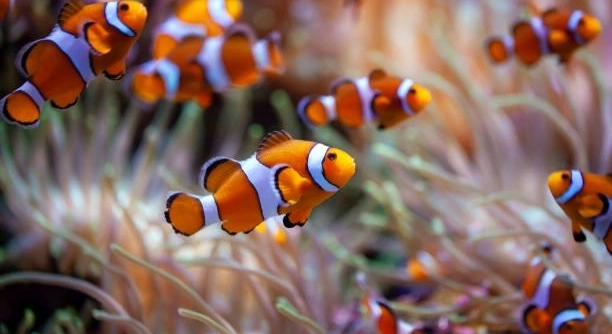
Many people enjoy watching clownfish and wonder about their favorite places to live. These colorful fish live among sea anemones, but their environment can be calm or full of activity. Understanding their preferences helps us learn more about their behavior.
Clownfish generally prefer calm areas over busy ones. They seek shelter and safety, often choosing quieter spots within their anemone homes to reduce stress and avoid predators. This preference supports their survival and well-being in the wild.
Knowing where clownfish feel most comfortable gives insight into their habits and needs. This information is helpful for anyone interested in marine life or caring for clownfish in captivity.
Why Clownfish Choose Calm Areas
Clownfish tend to pick calm places mainly because these spots offer safety and stability. Busy areas usually mean more movement, noise, and potential threats. Calm areas help clownfish avoid predators and reduce stress, which is important for their health. These fish live close to sea anemones, which protect them with stinging tentacles. Within these safe zones, calmer spots provide the best hiding places. When the surroundings are quiet, clownfish can focus on finding food, caring for their eggs, and resting. Stress from constant disturbance can weaken their immune systems and affect their behavior. In calmer environments, clownfish show natural behaviors such as cleaning their anemone and interacting peacefully with other fish. This quiet setting helps them thrive, making calm areas a preferred choice for their daily life.
Clownfish depend on calm surroundings to stay safe and keep their energy for important activities like feeding and breeding.
Finding out why clownfish favor calmer areas helps us better understand their habits and how to create suitable environments in aquariums. When setting up a tank, it’s important to mimic these quiet conditions by limiting sudden movements, loud noises, or aggressive tank mates. Providing plenty of hiding spots around anemones will also encourage natural behavior. Calm surroundings reduce stress, which in turn promotes healthier clownfish that live longer and behave more naturally. For marine biologists and aquarium caretakers alike, recognizing these preferences leads to improved care and study results. This understanding supports conservation efforts as well, helping maintain balanced reef ecosystems where clownfish play a key role.
The Impact of Busy Areas on Clownfish
Busy areas often increase stress and risk for clownfish. Noise, movement, and competition make these spots less attractive.
In busy environments, clownfish may become anxious or aggressive. Constant disturbances can lead to poor health and less breeding success. They might hide more or avoid feeding times, which harms their growth. Busy areas can also expose clownfish to more predators or stronger fish that compete for territory. This competition adds pressure, forcing clownfish to defend themselves or move away. Over time, living in such stressful conditions may weaken them, making survival difficult. For these reasons, clownfish avoid busy places whenever possible and instead settle in calmer, more secure zones. Understanding this impact helps us create better habitats for them both in the wild and in captivity.
How Clownfish Adapt to Different Environments
Clownfish adjust their behavior based on their surroundings. In calm areas, they are relaxed and active, while in busy places, they become more cautious and defensive.
When in calm environments, clownfish spend more time cleaning their anemones and caring for their young. They swim freely and interact peacefully with other fish. Their energy is focused on survival tasks rather than avoiding threats. However, in busier areas, clownfish may stay closer to the anemone for protection. They become alert and ready to hide quickly if danger appears. This cautious behavior helps reduce risks but limits their ability to explore and feed. Their daily routines change depending on how noisy or crowded their home is.
Adapting to these different conditions is vital for clownfish survival. They balance risk and comfort by changing their activity and position in response to how busy their environment is. This flexibility shows how sensitive clownfish are to their habitat, and why calm spots are usually preferred.
Creating a Suitable Habitat for Clownfish
Providing calm conditions in a tank encourages natural clownfish behavior. Quiet surroundings and stable water conditions are key.
Avoid placing aggressive or fast-moving fish nearby, as they can stress clownfish. Use live or artificial anemones to mimic their natural shelter. Ensure the tank has hiding spots and low current areas for quiet resting places. Lighting should be gentle, avoiding sudden bright flashes that can startle them. Regular feeding routines help clownfish feel secure and healthy. Keeping the environment stable reduces stress and supports breeding. A calm habitat allows clownfish to display their colors and personalities fully. By creating these conditions, caretakers promote both their physical and mental well-being, making the aquarium a better home.
Signs Clownfish Show When Stressed
Clownfish display clear signs when stressed by busy or noisy environments. They may hide more often and reduce their activity. Their colors can also become duller, showing discomfort.
Increased aggression or quick darting movements are other signs of stress. Stressed clownfish may ignore food or stop caring for their eggs, which affects their health and breeding success.
How Calm Areas Benefit Clownfish Health
Calm environments help clownfish maintain good health by lowering stress levels. Reduced stress improves immune function and encourages natural behaviors like feeding and breeding. Healthy clownfish show bright colors and active swimming, signaling well-being.
Creating Balance in a Shared Aquarium
Balancing activity in an aquarium is important. Calm zones with hiding spots allow clownfish to retreat when needed, reducing stress and promoting peaceful coexistence.
FAQ
Why do clownfish prefer calm areas over busy ones?
Clownfish choose calm areas mainly for safety and comfort. Busy areas often have more predators, loud movements, and competition for space. Calm spots help clownfish reduce stress and protect themselves by staying close to their anemones. This peaceful environment allows them to focus on feeding, breeding, and caring for their young without constant disturbances.
Can clownfish live in busy areas at all?
Yes, clownfish can survive in busy areas, but it is not ideal. They become more cautious and spend more time hiding, which limits their activity and can cause stress. Over time, constant exposure to busy conditions can weaken their immune system and reduce their chances of successful breeding.
How can I tell if my clownfish is stressed?
Signs of stress in clownfish include hiding frequently, dull or faded colors, loss of appetite, and unusual aggression or quick darting movements. Stressed clownfish might also neglect their eggs or show less activity, which affects their overall health.
What are the best ways to create a calm environment for clownfish in an aquarium?
To create a calm environment, avoid placing aggressive or fast-moving fish nearby. Provide plenty of hiding places like live or artificial anemones and rocks. Keep water conditions stable, avoid sudden noises or bright lights, and establish a regular feeding routine. This helps clownfish feel secure and lowers stress levels.
Do clownfish need anemones to feel calm?
While clownfish are naturally found living with anemones, they can adapt to other hiding spots if anemones are not available. However, anemones provide important protection and comfort, making it easier for clownfish to feel safe and calm. Their relationship with anemones is a key part of their natural behavior.
How does stress affect clownfish behavior and health?
Stress weakens clownfish immune systems, making them prone to disease. It can cause changes in behavior, like aggression, hiding, or loss of appetite. Stress also reduces breeding success because stressed fish may not care for their eggs properly or engage less in mating behaviors.
Is it okay to have busy tank mates with clownfish?
It depends on the species. Some active or aggressive fish can cause stress to clownfish, so it’s better to choose peaceful tank mates. Providing calm zones and hiding places helps clownfish avoid conflicts and feel safe even with busier tank mates present.
How often should I check my clownfish for signs of stress?
It’s good to observe clownfish daily. Look for changes in color, activity, and appetite. Early detection of stress signs allows you to adjust the environment quickly, improving their well-being before problems worsen.
Can moving a clownfish to a calmer area reduce its stress?
Yes, relocating a clownfish to a quieter, less crowded part of the tank can lower stress. It allows the fish to recover and resume natural behaviors like feeding and caring for eggs. Creating calm spaces is important for their health and happiness.
What role do anemones play in clownfish social behavior?
Anemones provide a safe meeting spot for clownfish and their mates or offspring. They reduce conflicts by giving fish secure territories to defend. This stable environment promotes social bonding and cooperation within clownfish groups.
Are there differences between clownfish species in their preference for calm or busy areas?
Some clownfish species may tolerate busier environments better than others, but most prefer calm, protected spaces. Their natural habitats and behavior patterns influence these preferences. Understanding the species you have helps provide the best environment.
How does lighting affect clownfish comfort?
Bright, sudden lighting changes can stress clownfish. Gentle, consistent lighting mimics their natural environment and helps them feel safe. Avoid flashing lights or strong reflections that may startle them.
Can overcrowding cause stress in clownfish?
Yes, overcrowding increases competition for space, food, and shelter, raising stress levels. It can lead to aggression and poor health. Keeping an appropriate number of fish for the tank size reduces stress and promotes harmony.
What signs show a clownfish is comfortable and happy?
Bright, vibrant colors, active swimming, normal feeding, and caring for eggs indicate a healthy and comfortable clownfish. They often interact calmly with other fish and explore their environment confidently.
How important is water quality for clownfish stress levels?
Water quality is crucial. Poor water conditions like high ammonia or unstable temperature cause stress and illness. Regular water tests and maintenance keep the environment safe and calm for clownfish.
Clownfish are fascinating creatures with simple yet important needs when it comes to their environment. They tend to prefer calm areas over busy ones because these spaces offer them safety and comfort. In calmer spots, clownfish can carry out their natural behaviors such as feeding, caring for their eggs, and interacting with their anemones without being disturbed by too much noise or movement. This peaceful setting helps them stay healthy and less stressed, which is essential for their survival in both wild and captive environments.
Living in busy or crowded areas can make clownfish stressed and anxious. When faced with constant movement, loud noises, or aggressive neighbors, clownfish often become more cautious or hide more frequently. This change in behavior can limit their ability to feed properly or reproduce successfully. Over time, stress caused by busy environments may weaken their immune systems, making them vulnerable to illness. It is clear that calm areas not only make clownfish feel safer but also promote their overall well-being.
Creating the right environment for clownfish is important, especially for those keeping them in aquariums. Providing calm areas with plenty of hiding places and stable water conditions helps clownfish feel secure. Avoiding aggressive or fast-moving tank mates and keeping lighting gentle can also reduce stress. When clownfish live in a calm and comfortable environment, they are more likely to display their bright colors and natural behaviors. Understanding their preference for calm areas is a helpful step toward caring for these beautiful fish properly and supporting their health and happiness.

Hello,
If you enjoy the content that we create, please consider saying a "Thank You!" by leaving a tip.
Every little bit helps us continue crafting quality advice that supports the health, happiness, and well-being of pets around the world, for pets of all shapes, sizes, and species.
We really appreciate the kindness and support that you show us!